

Ticker


All posts in "Weird Stories"


At the edge of the sea, a piece of dense new rock can borrow buoyancy from trapped vapor.
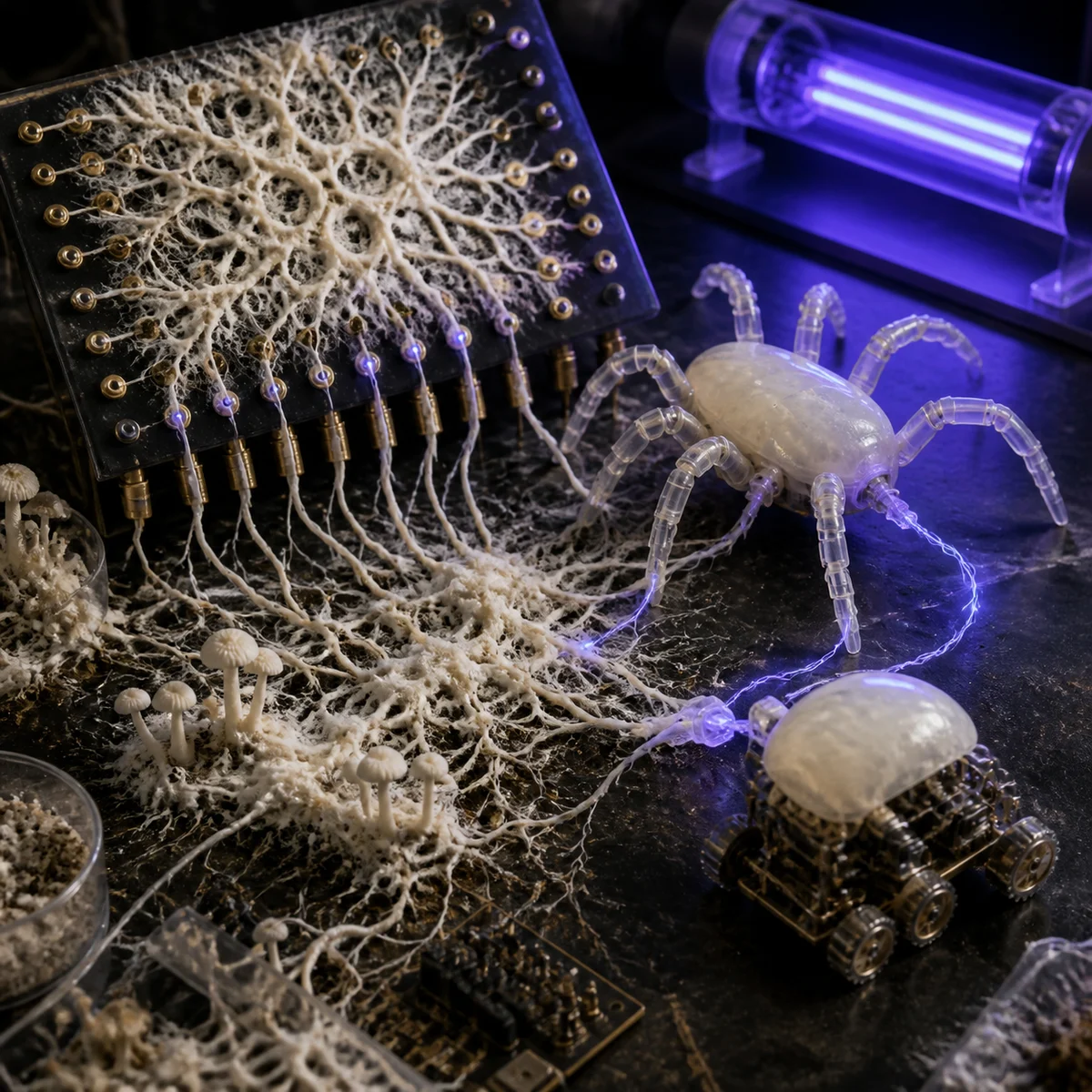
Two robots moved to electrical rhythms produced by living fungal threads.
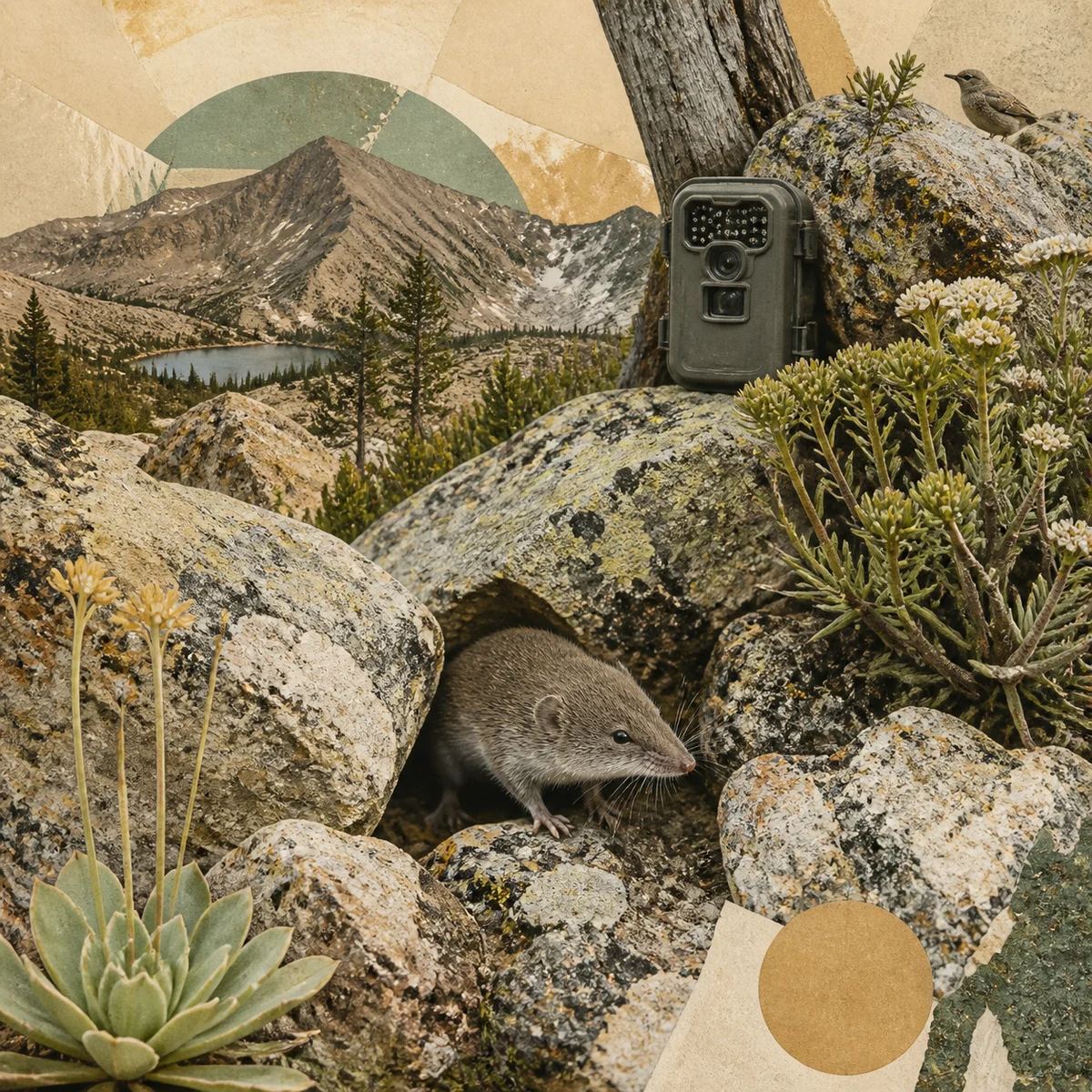
A California mammal known to science since 1902 finally sat for a living portrait.
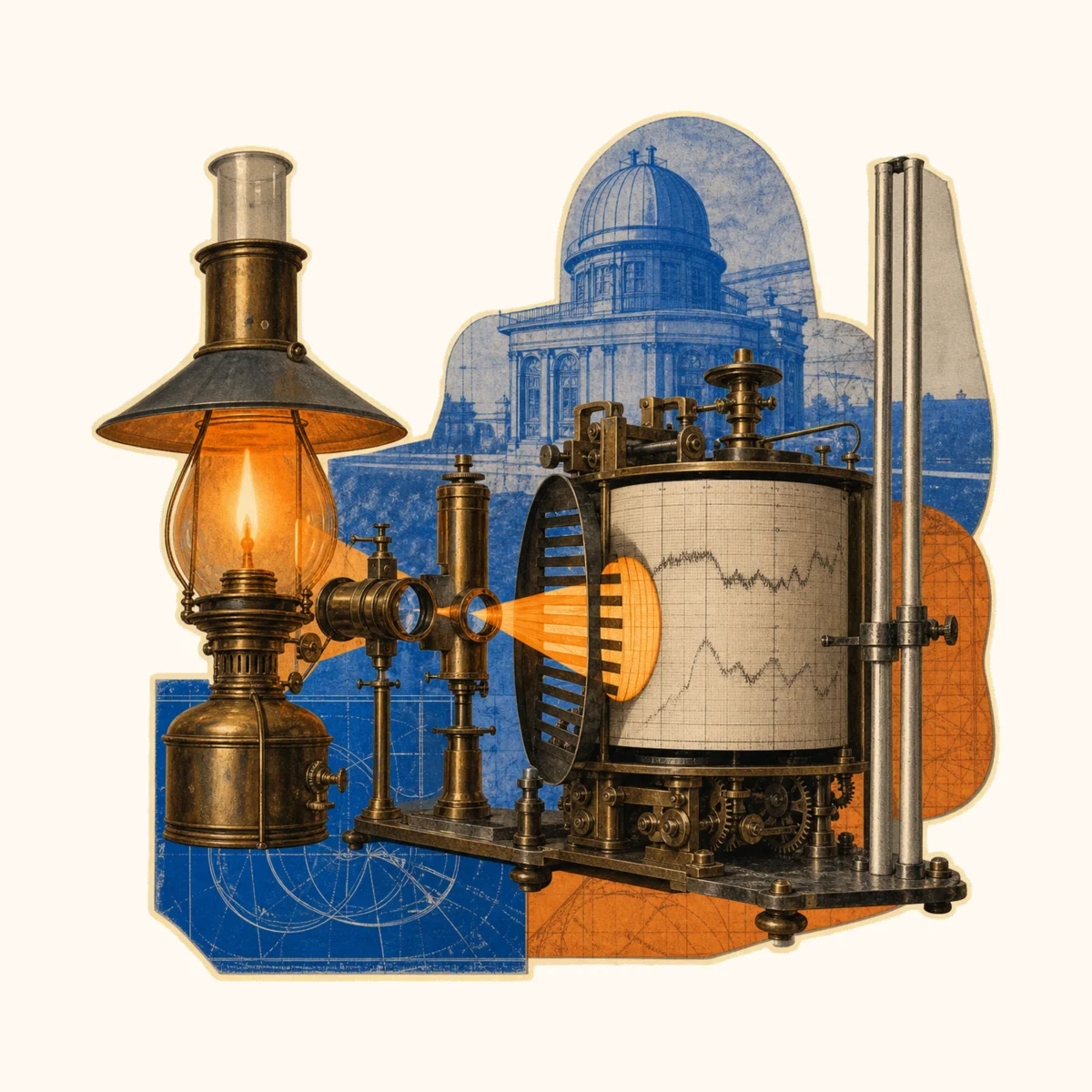
A gas lamp, mercury barometer, clockwork drum, and light-blocking shutter created a continuous photographic trace of changing atmospheric pressure.
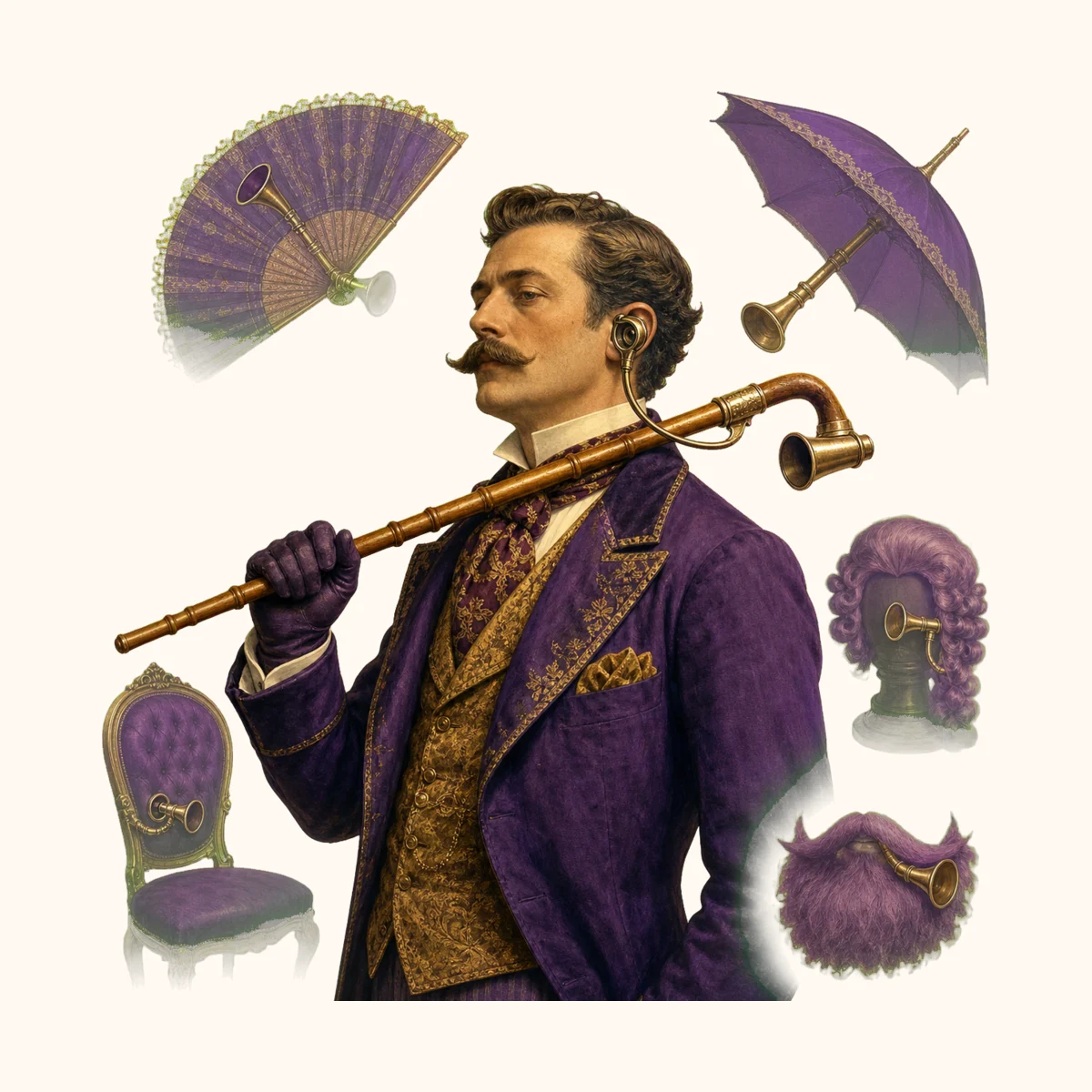
A Victorian bamboo cane hid a brass hearing trumpet in its handle and could rest on the user's shoulder with an earpiece positioned in the ear.
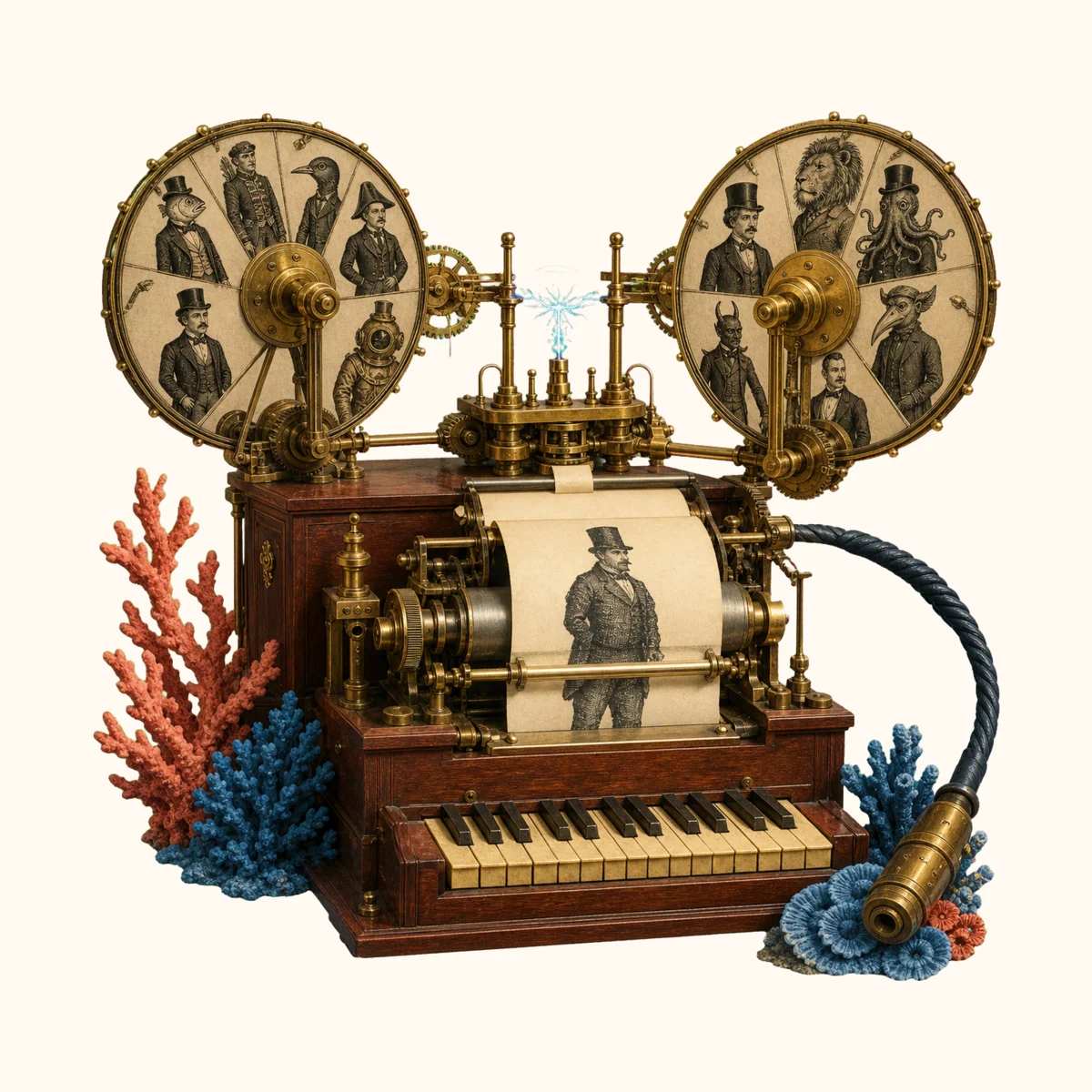
David Hughes's printing telegraph used piano-like keys and synchronized clockwork so one timed pulse selected the correct character at the far end.
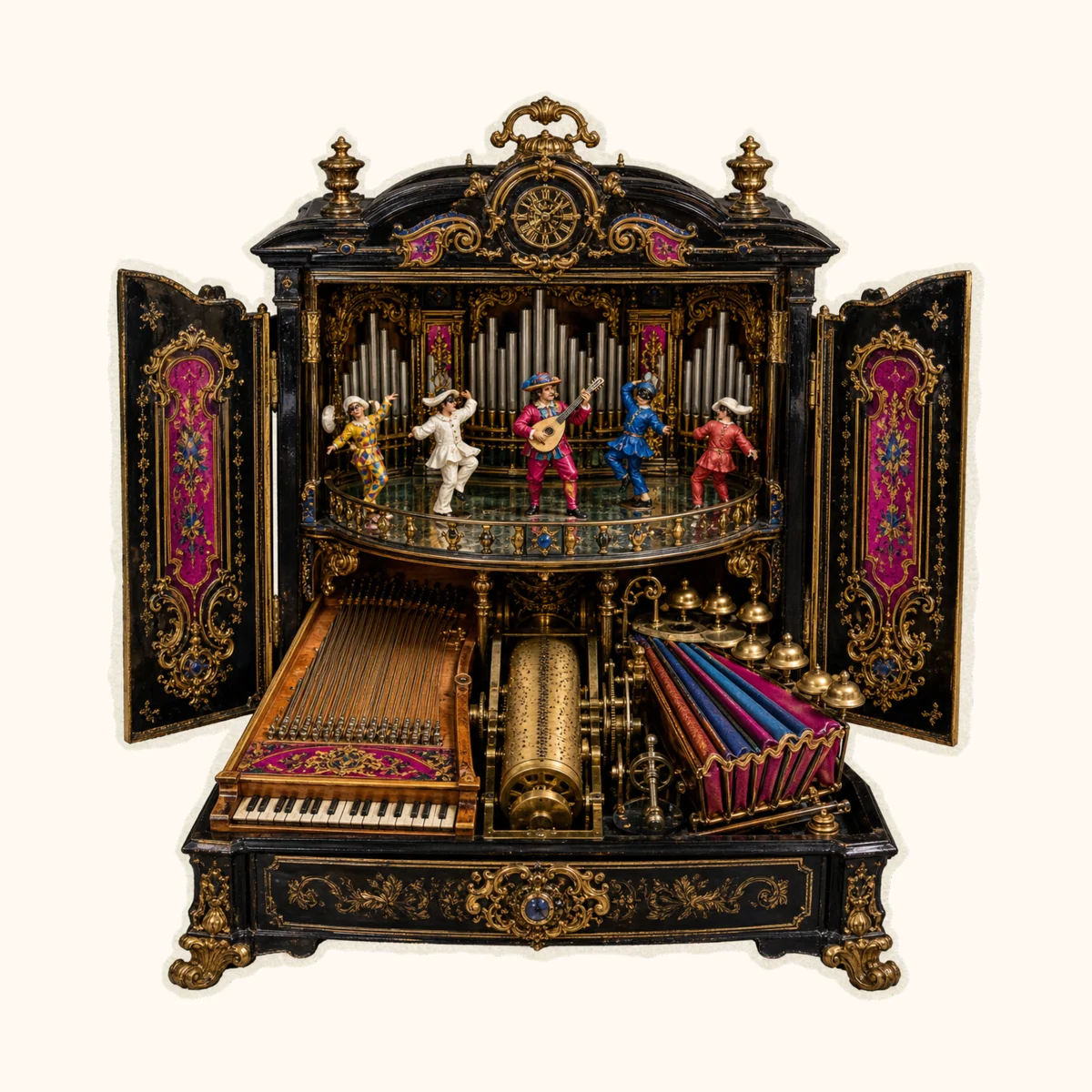
A circa-1625 musical clock stored three airs on a pinned cylinder and animated a tiny commedia dell'arte ensemble when it sounded.
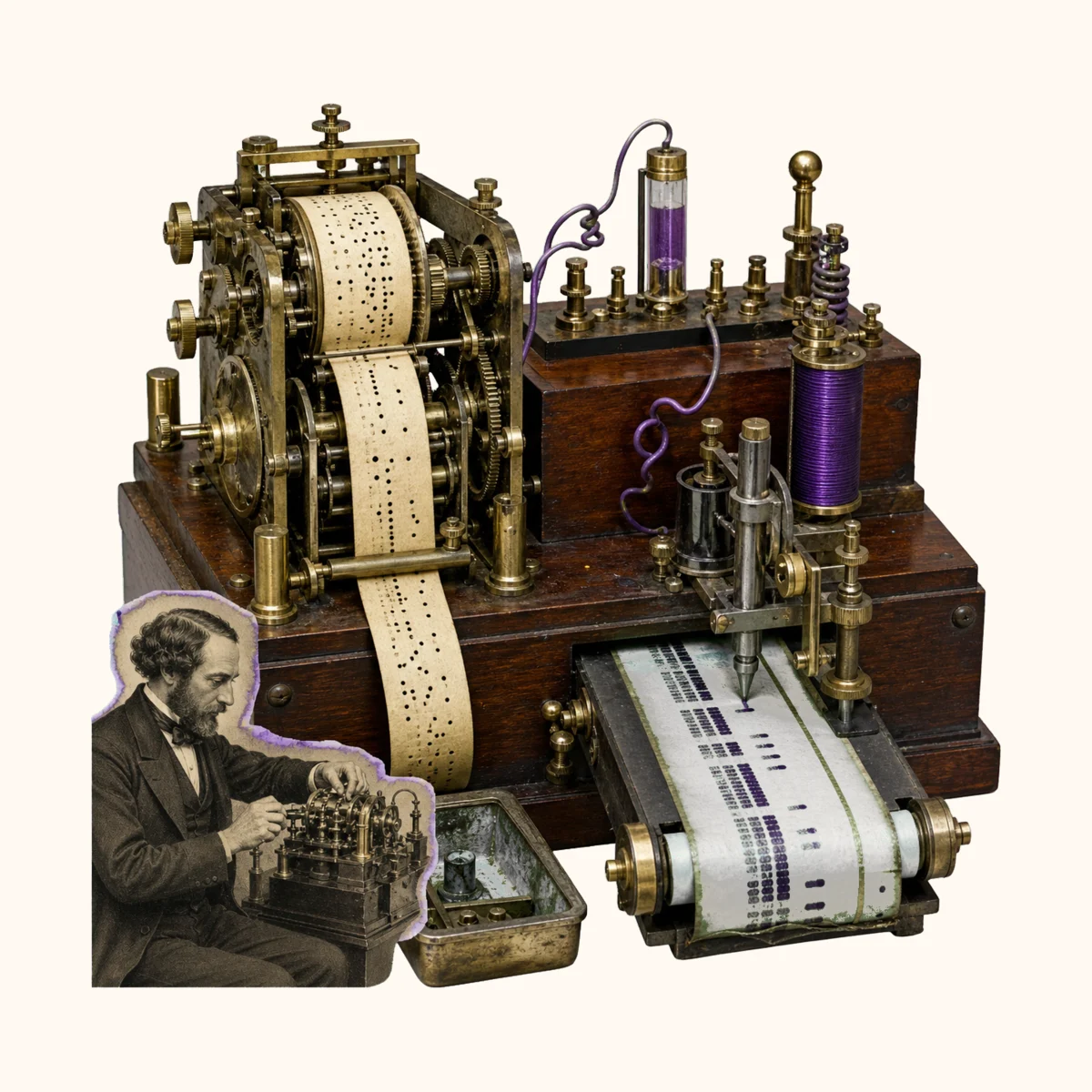
Alexander Bain's chemical telegraph turned pulses into marks on a damp, treated strip instead of moving a needle.
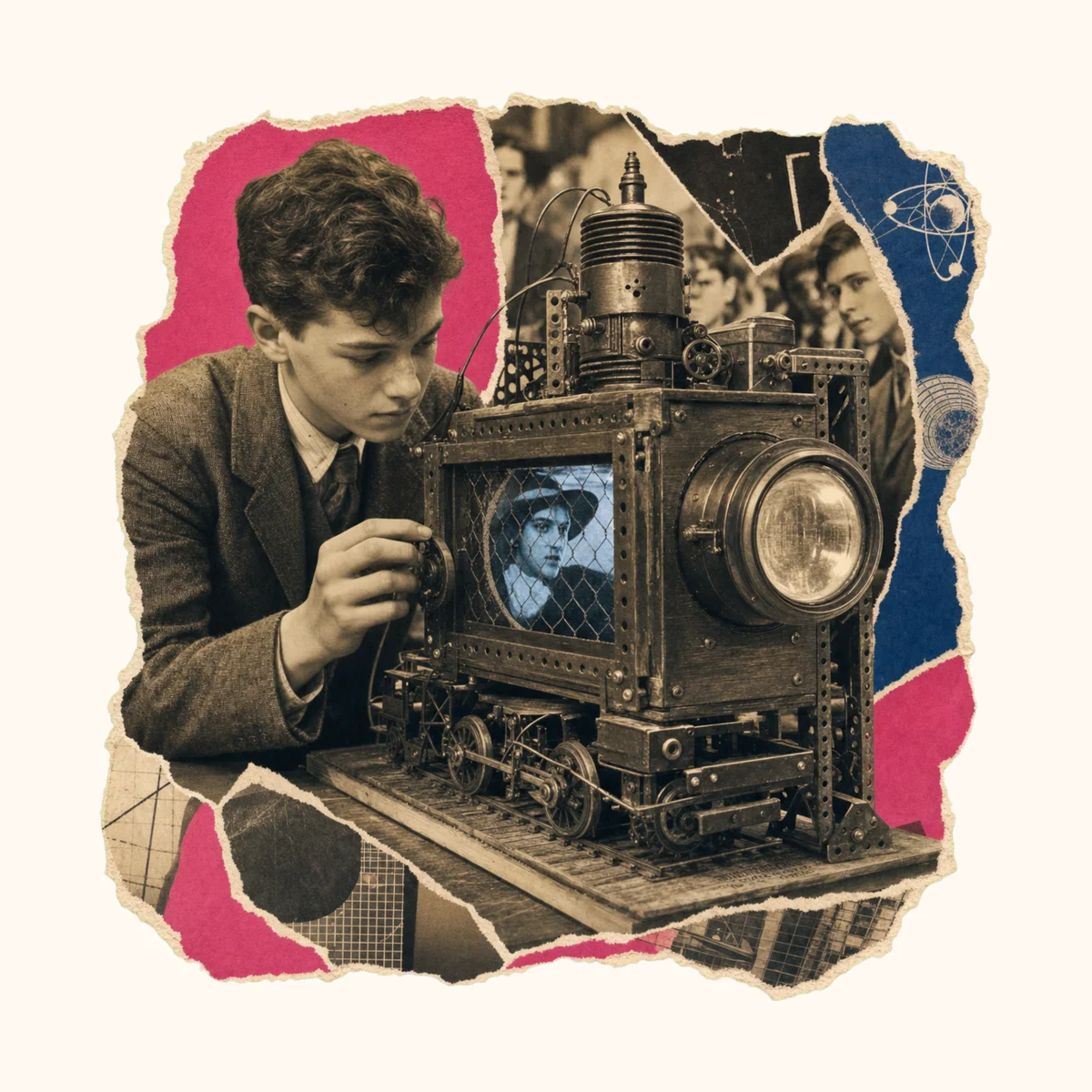
Norman Stokes assembled a working mechanical Televisor from salvaged parts and exhibited it in London in 1931.
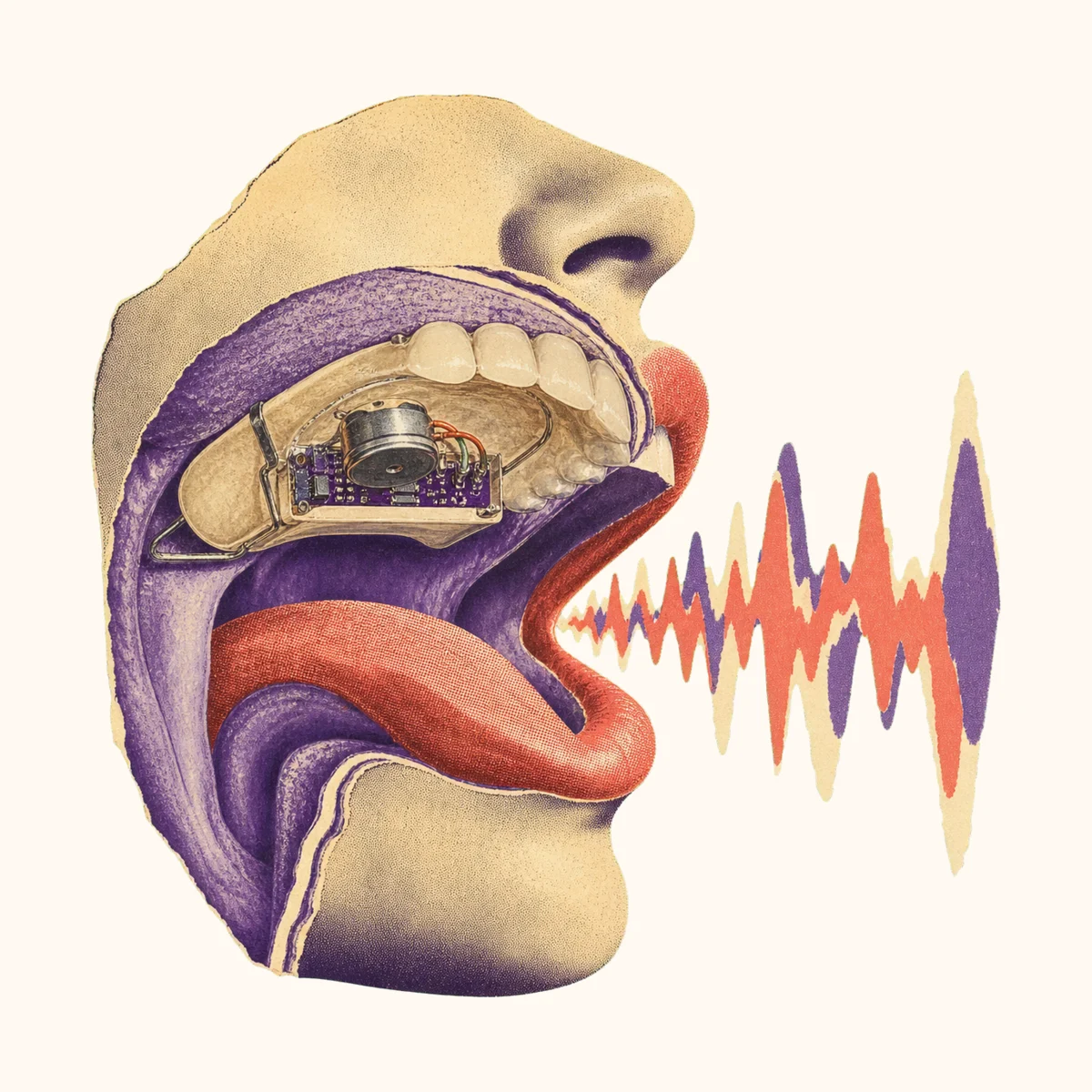
A dental surgeon designed a false upper palate with a transistor buzzer so lip and mouth movements could shape its vibration into intelligible words.