


Ticker


All posts in "Features"

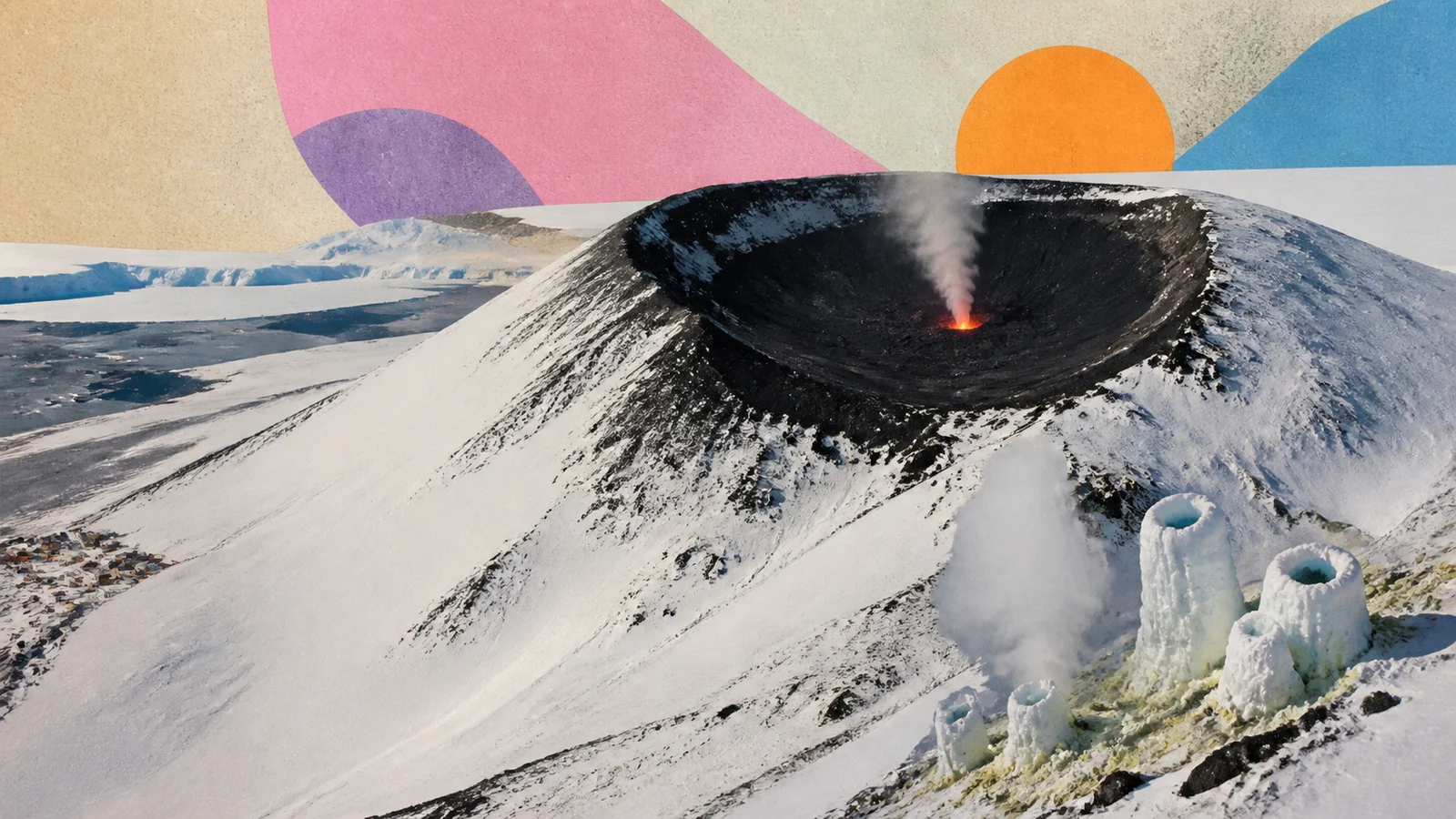
On Ross Island, a dark summit holds open lava while steam freezes into towers on the surrounding ice.
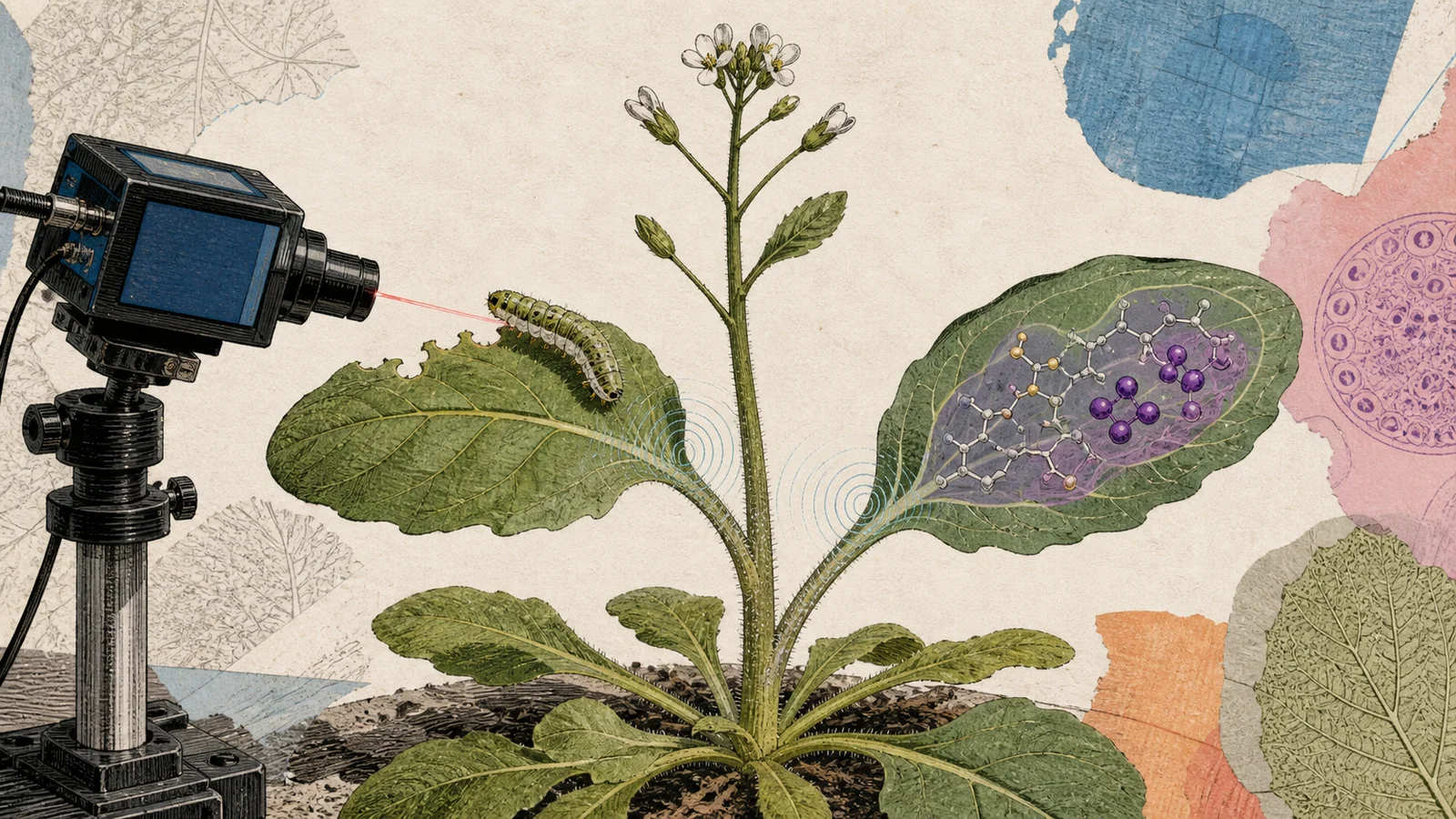
A leaf vibrates differently under a feeding caterpillar than under wind, and the plant’s chemistry responds to the distinction.
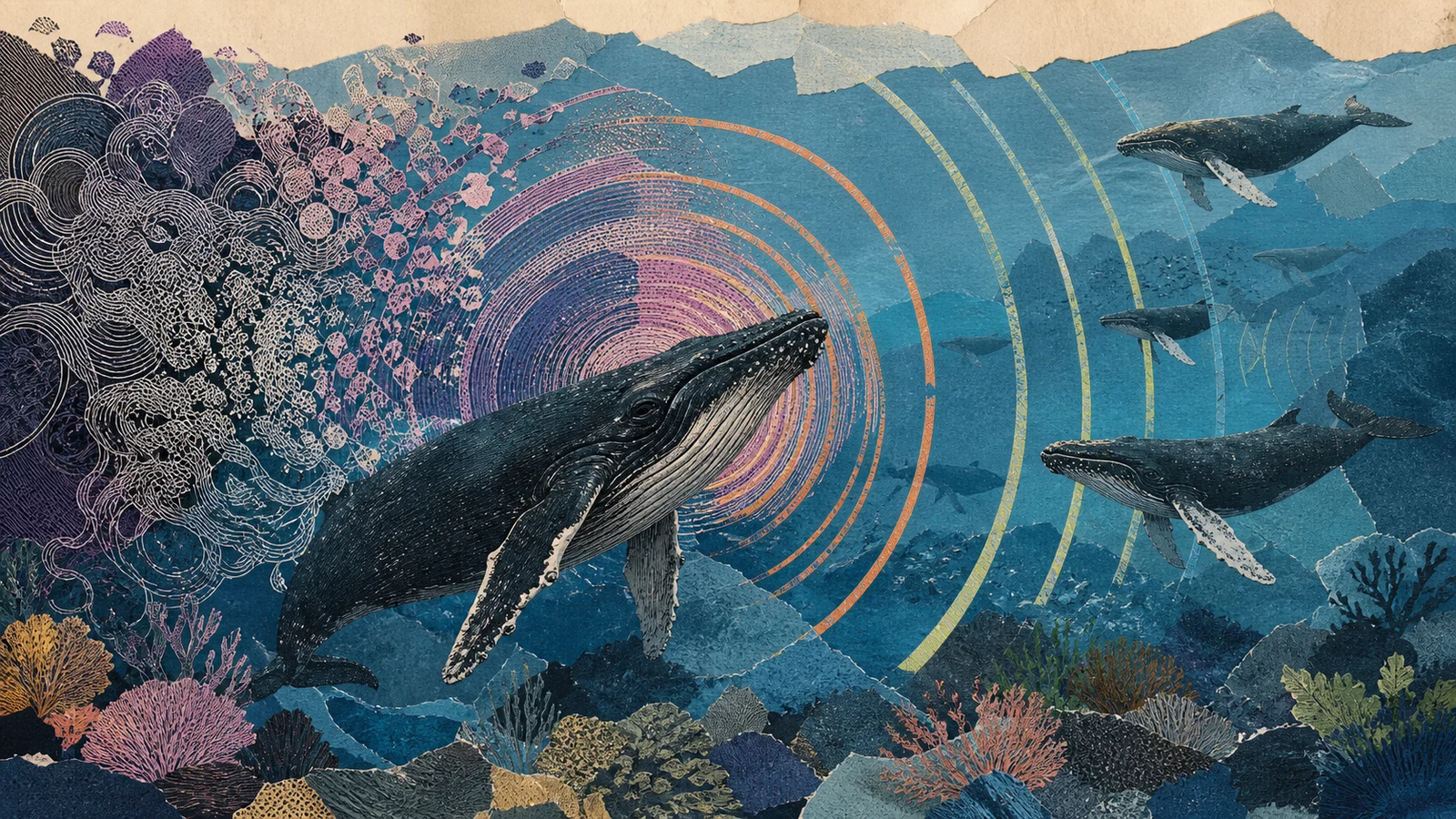
An entire whale population can abandon one intricate song, adopt a simpler import, and begin embellishing all over again.
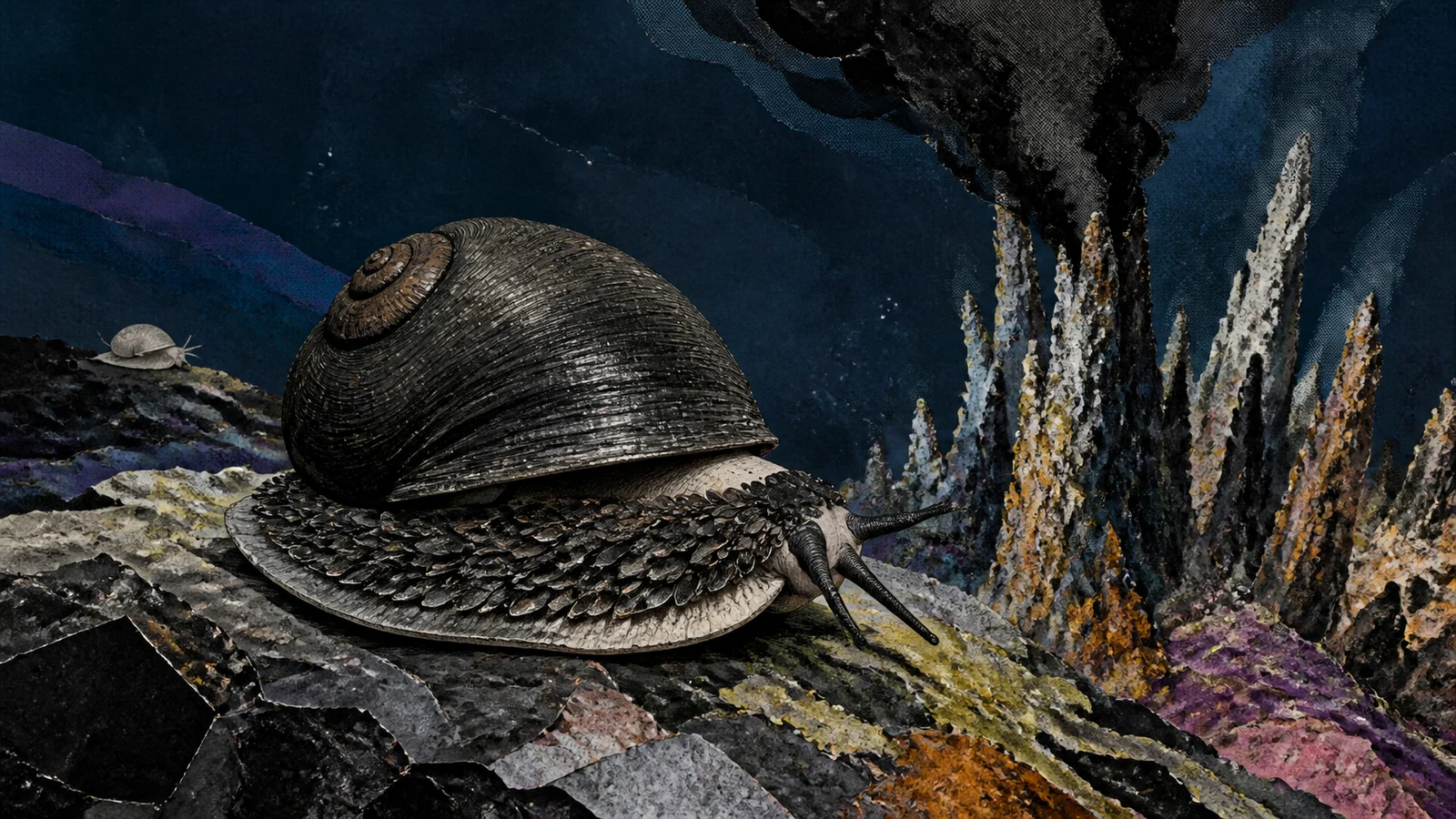
At Indian Ocean vents, one snail grows overlapping foot scales that can acquire a coat of iron sulfide from the surrounding chemistry.
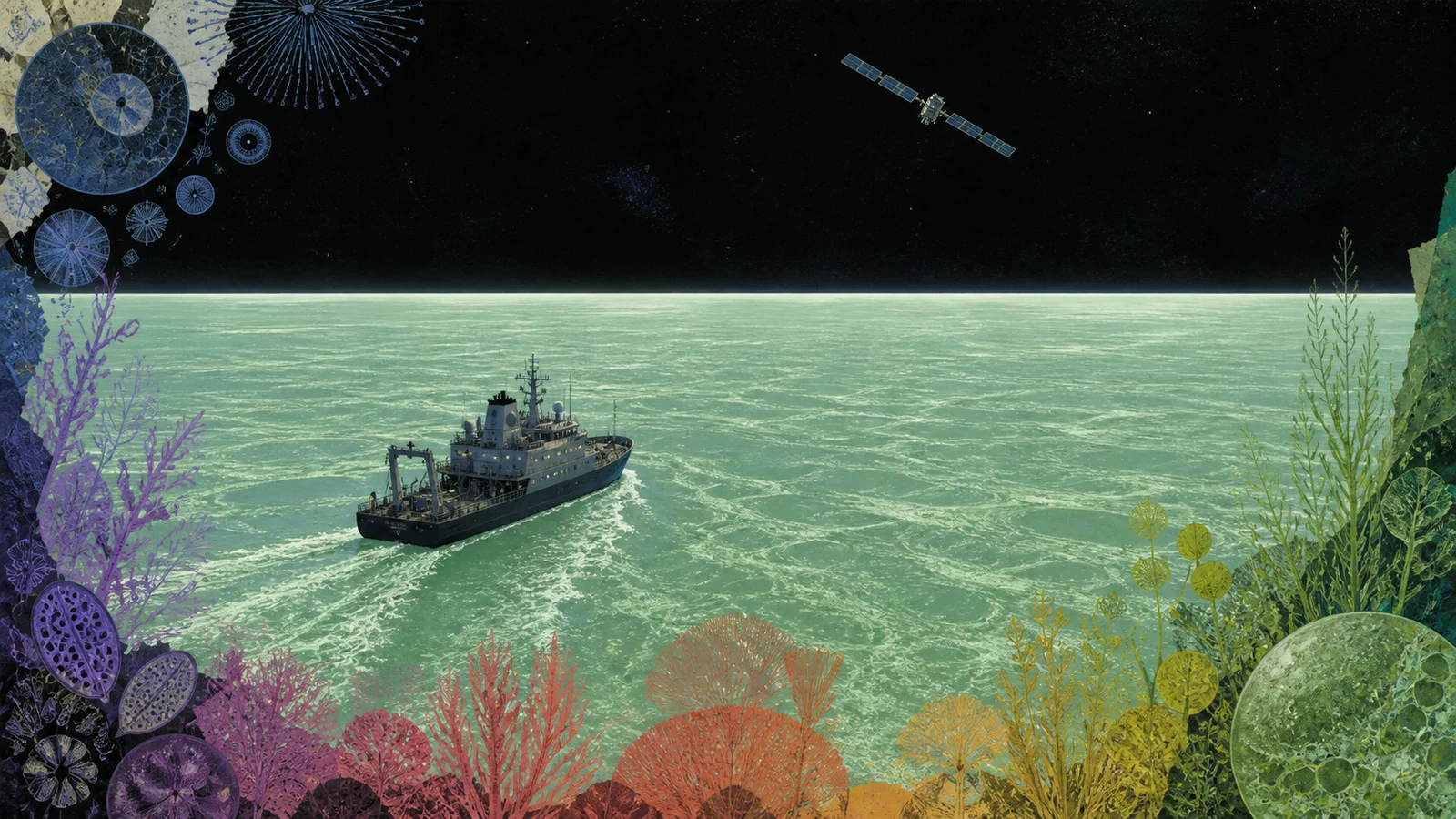
A milky sea is not a flash beneath one swimmer; it is a steady pale field that ships can cross for hours.

A laser aimed at a blank wall can recover the faint travel times of light that visited a hidden room and returned.
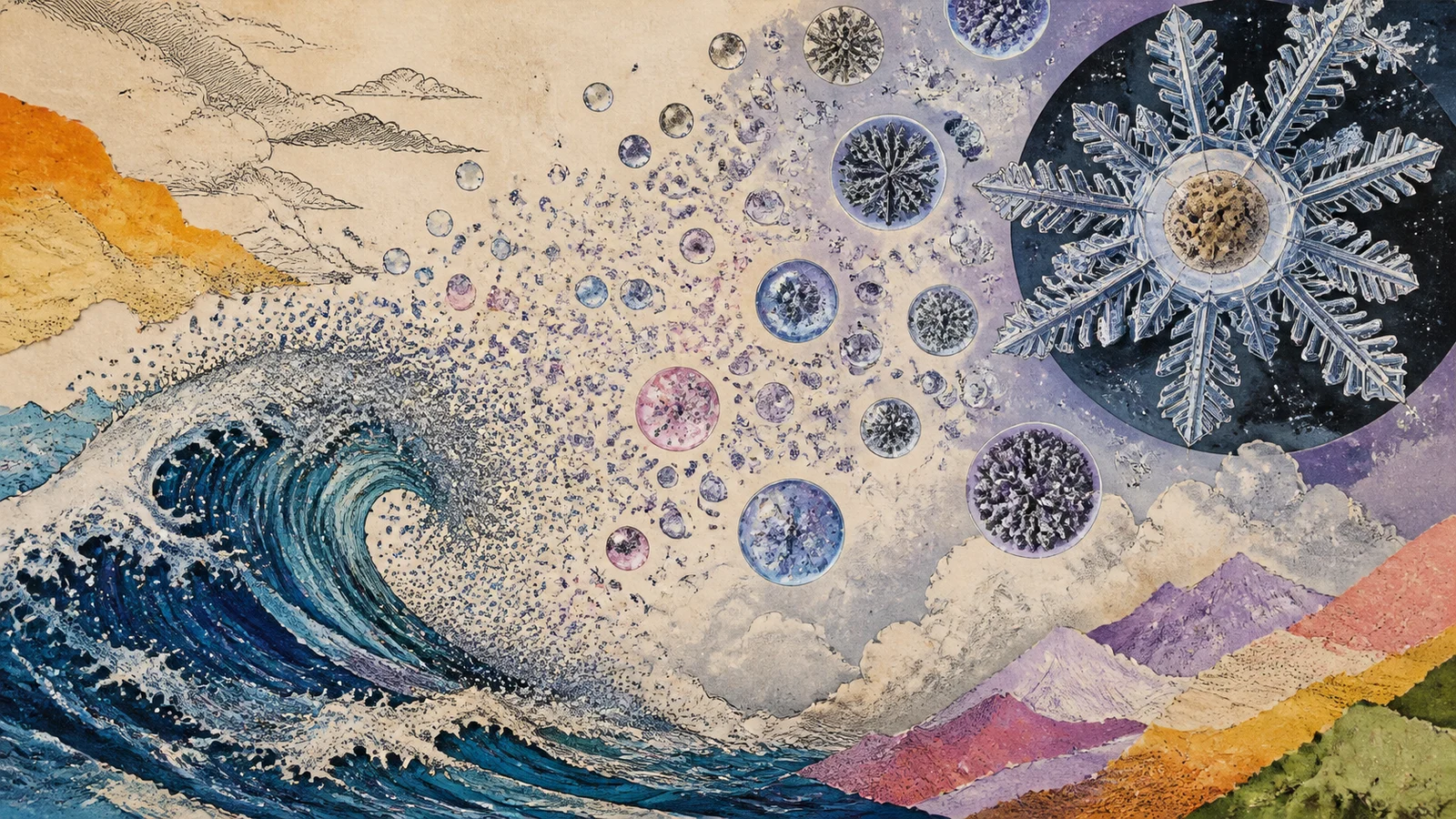
A breaking wave can package ocean chemistry into airborne particles small enough to help ice begin inside a cloud.
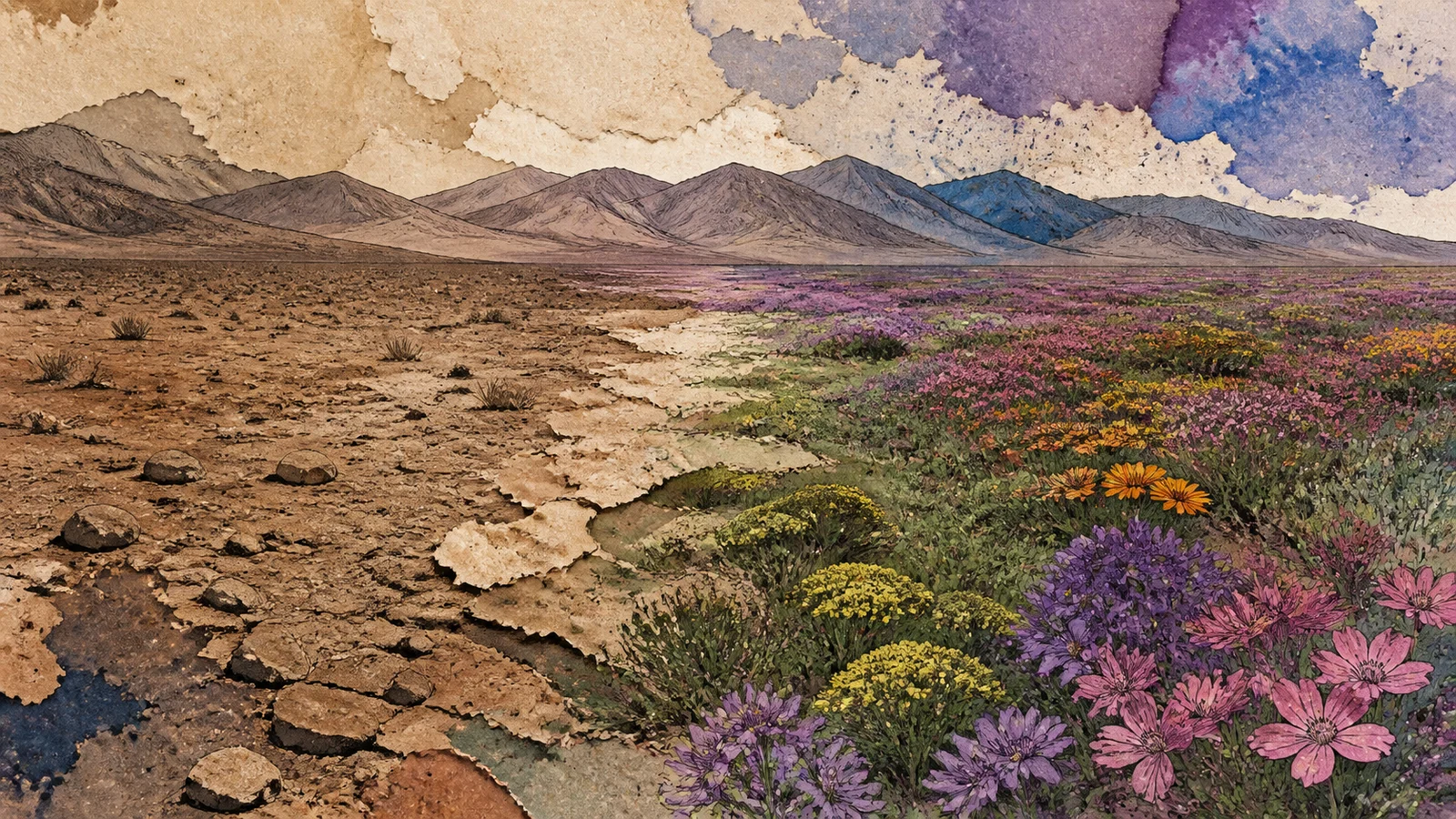
One of Earth's driest landscapes can hold a broad field of flowers in waiting, but rain—not a calendar—sets the opening.
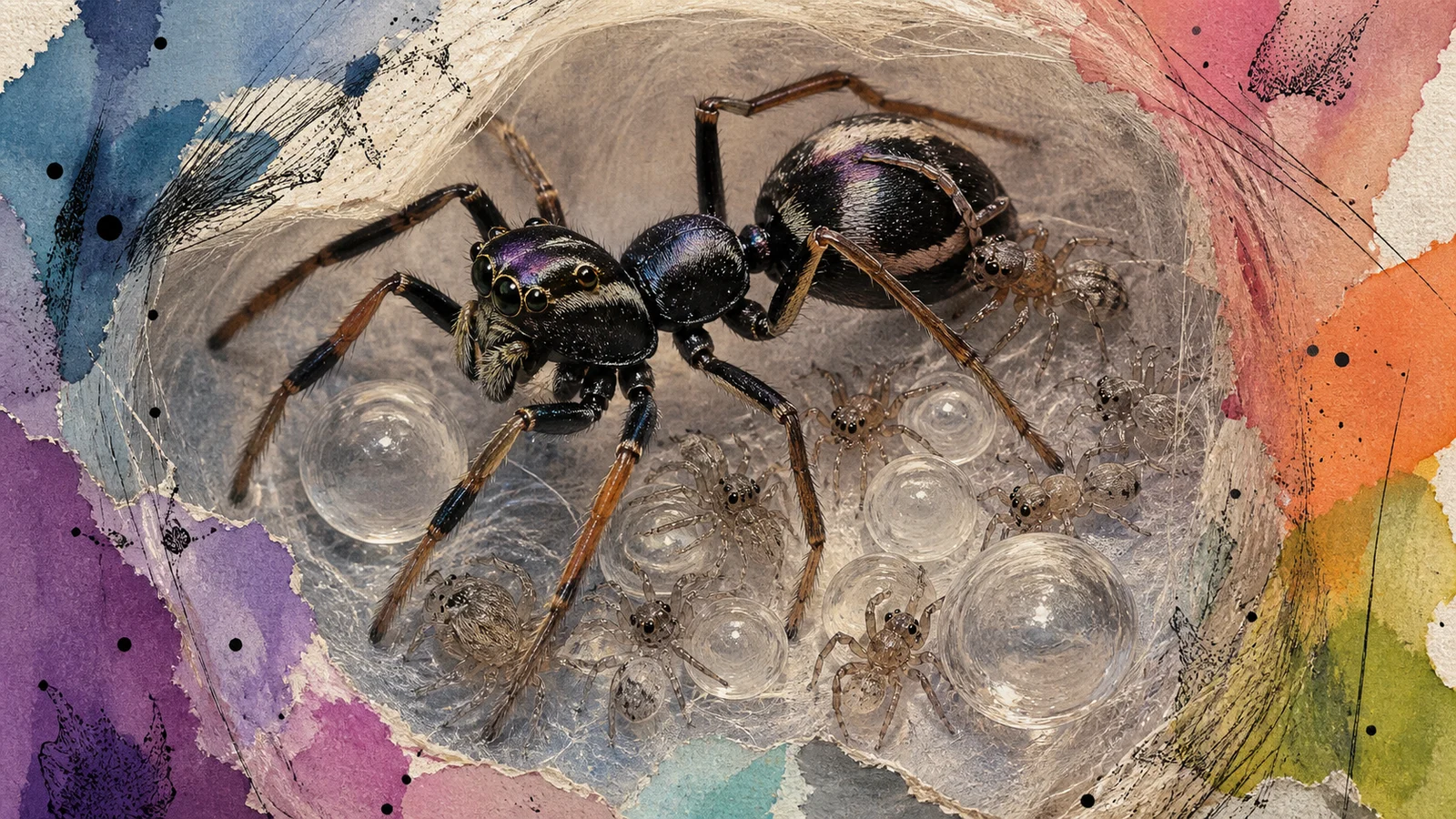
A tiny jumping spider feeds her young a milk-like secretion, first as droplets in the nest and later directly from her body.
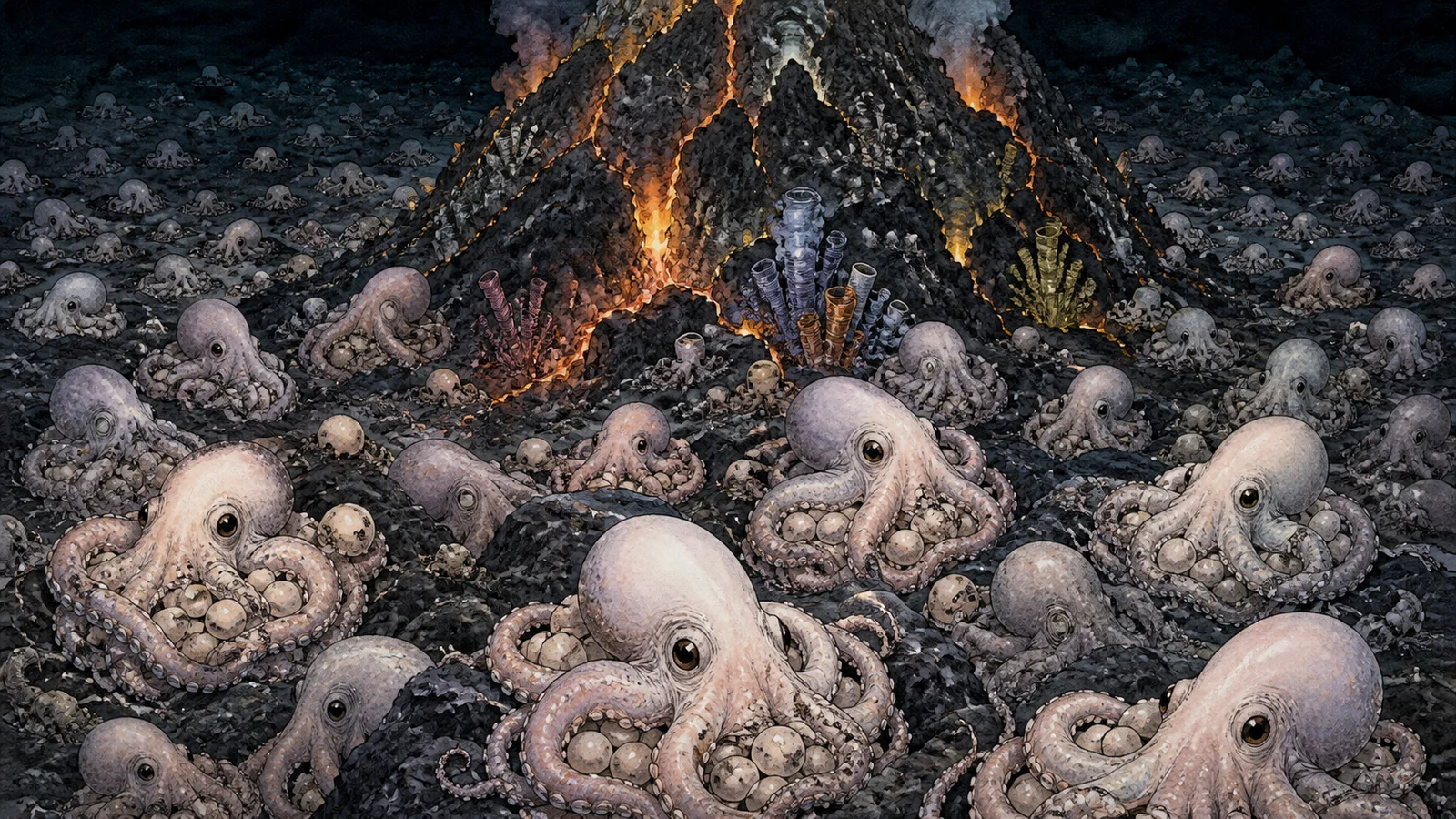
Three kilometers down, warm water turns a five-to-eight-year cold-water projection into an observed hatch in less than two years.