Share
Share







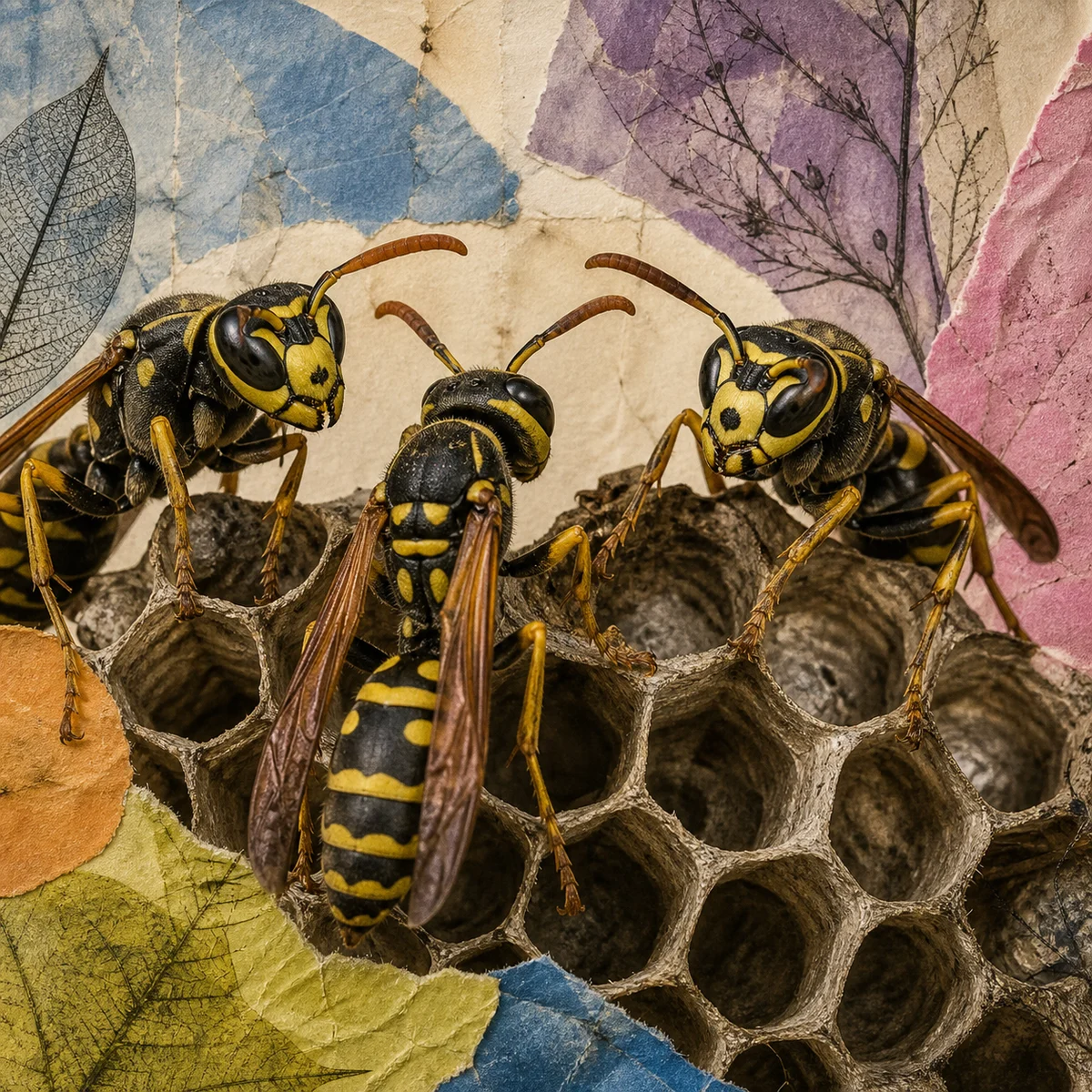
A colony of northern paper wasps is a society in which identity can pay. Polistes fuscatus individuals wear variable dark and pale patterns on their faces, and nestmates learn to distinguish those visual combinations. The ability helps them navigate colonies where several queens may begin together and dominance relationships can shift.
Recognition can save energy and injury. If a wasp remembers the individual that defeated it, every later meeting need not begin as a fresh contest. Facial patterns provide the cue; learning connects that cue with social history. Experiments show that these wasps process their own species' faces with an expertise that goes beyond generic image discrimination.
A comparison among related species suggests that this specialization appeared rapidly in evolutionary terms. It tracks a social system in which individuals have distinctive faces and recognizing one another is useful. Cognitive machinery can become finely matched to an ecological problem even inside a very small insect brain.
That conclusion is specific to P. fuscatus. Other paper wasps have different facial variation and social pressures, and not all show the same face-learning talent. Nor are the insects interpreting human faces or experiencing identity exactly as people do. They have evolved their own visual directory, built from the markings and recurring rivals that matter on a paper nest.
Sources