


Ticker


All posts in "Weird Stories"

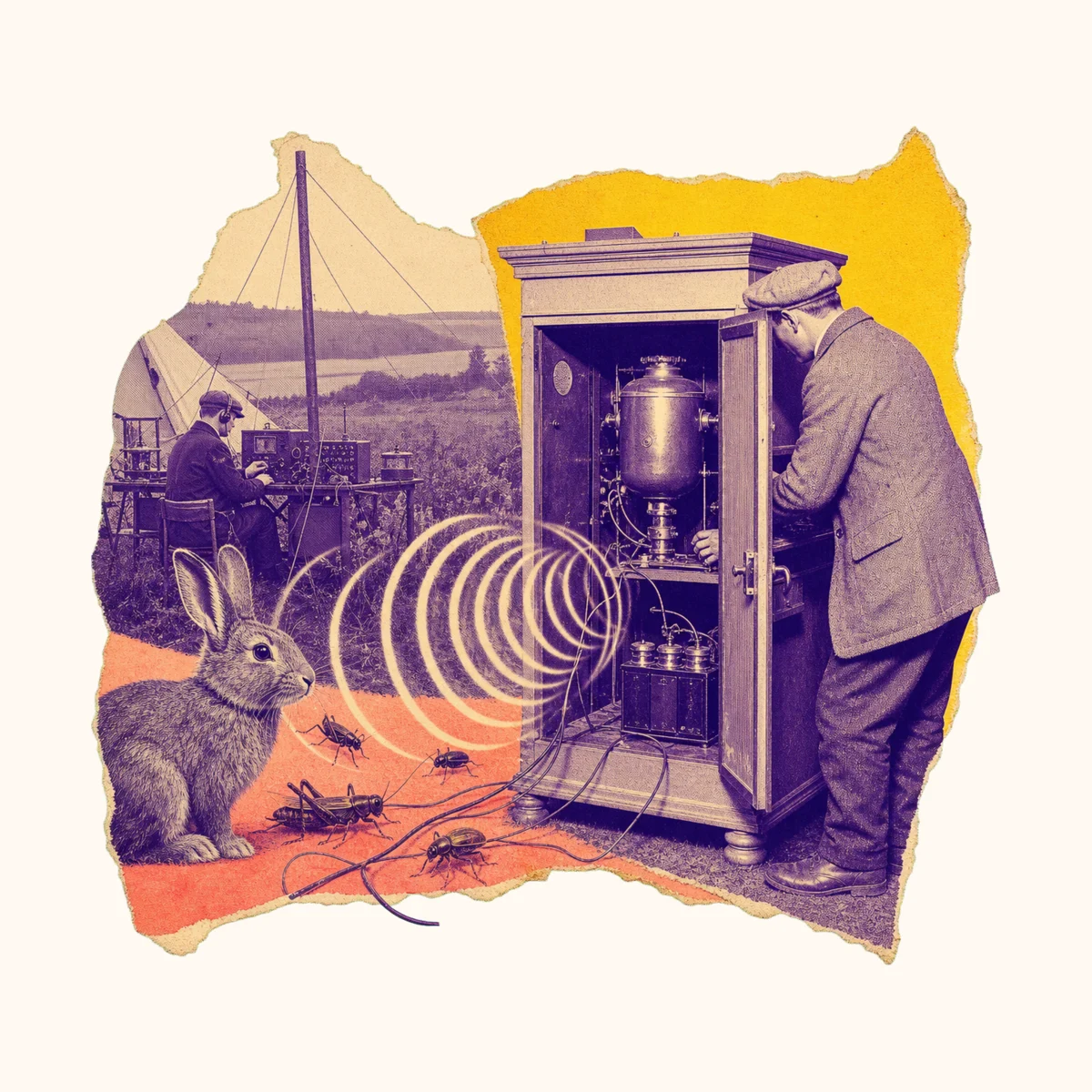
The extremely heavy Marconi-Sykes Magnetophone sat inside a cupboard-like stand and was sensitive enough to catch insects moving near its fragile coil.

Fournier d'Albe's Optophone scanned ink and translated each letter shape into a changing pattern of musical tones for blind readers.
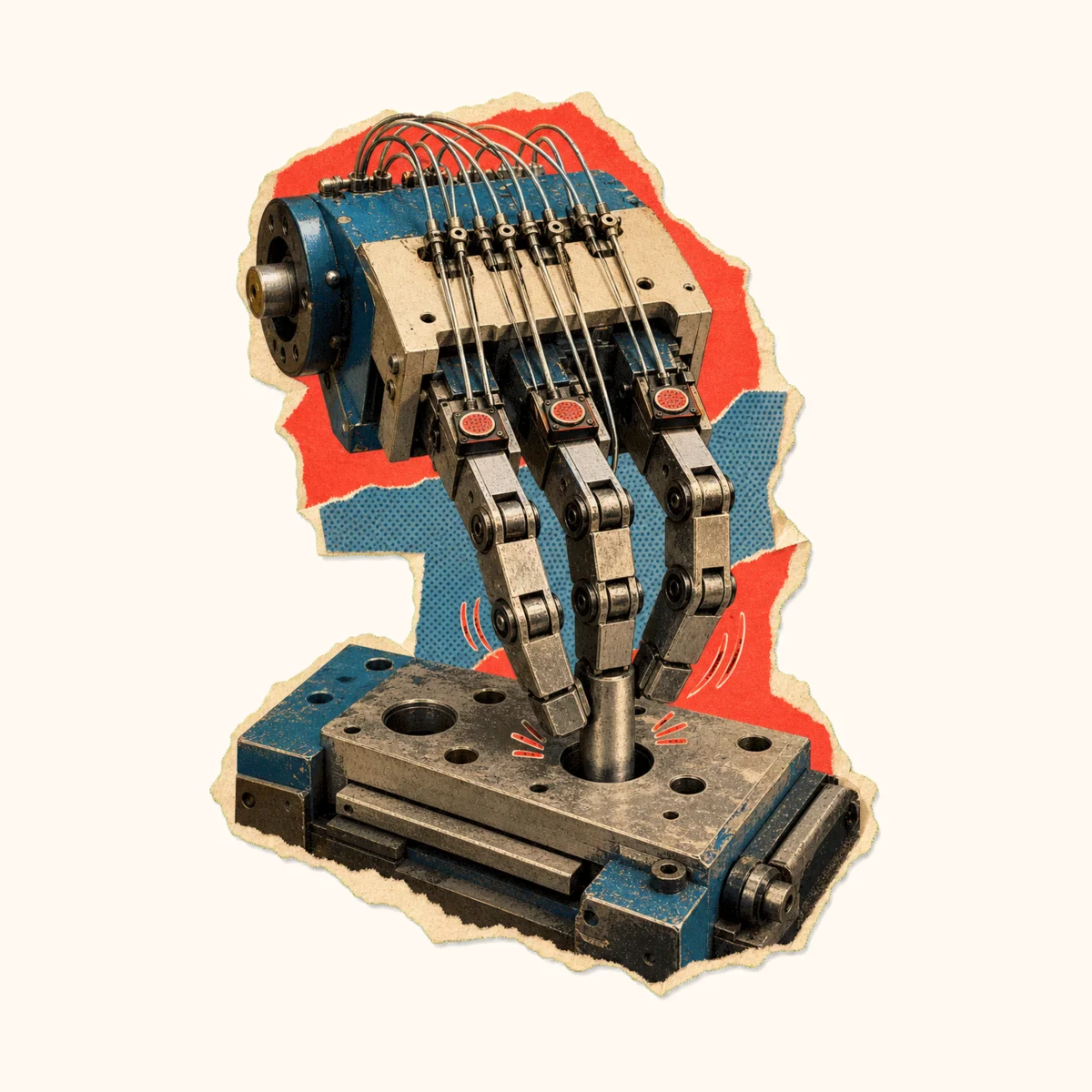
The 1980s Salisbury hand used three three-jointed fingers, twelve tension cables, and force sensors to adjust a grasp while inserting objects.
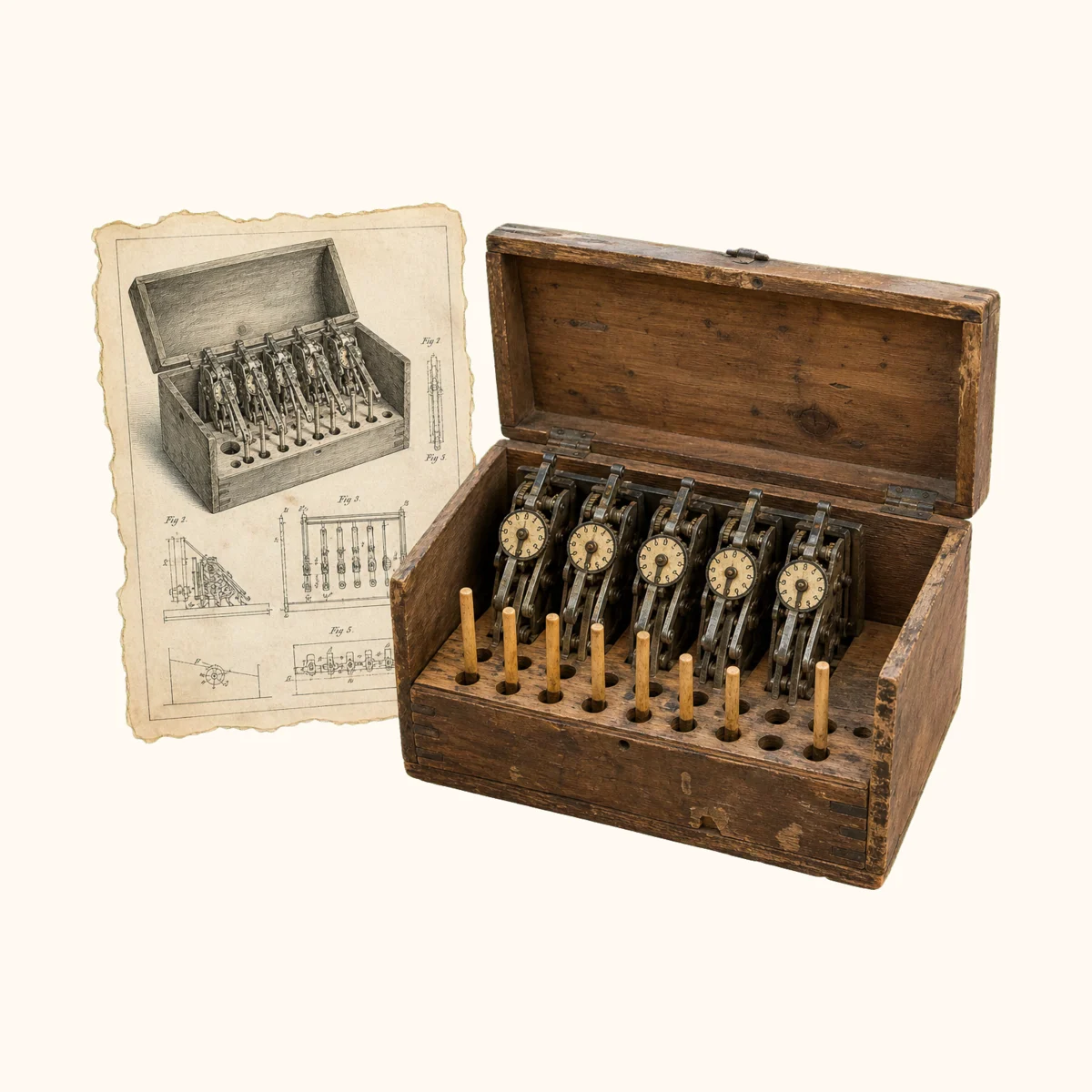
Dorr Felt's prototype Comptometer used a scarred wooden pasta-shipping box, wooden skewers for keys, and salvaged mechanisms.
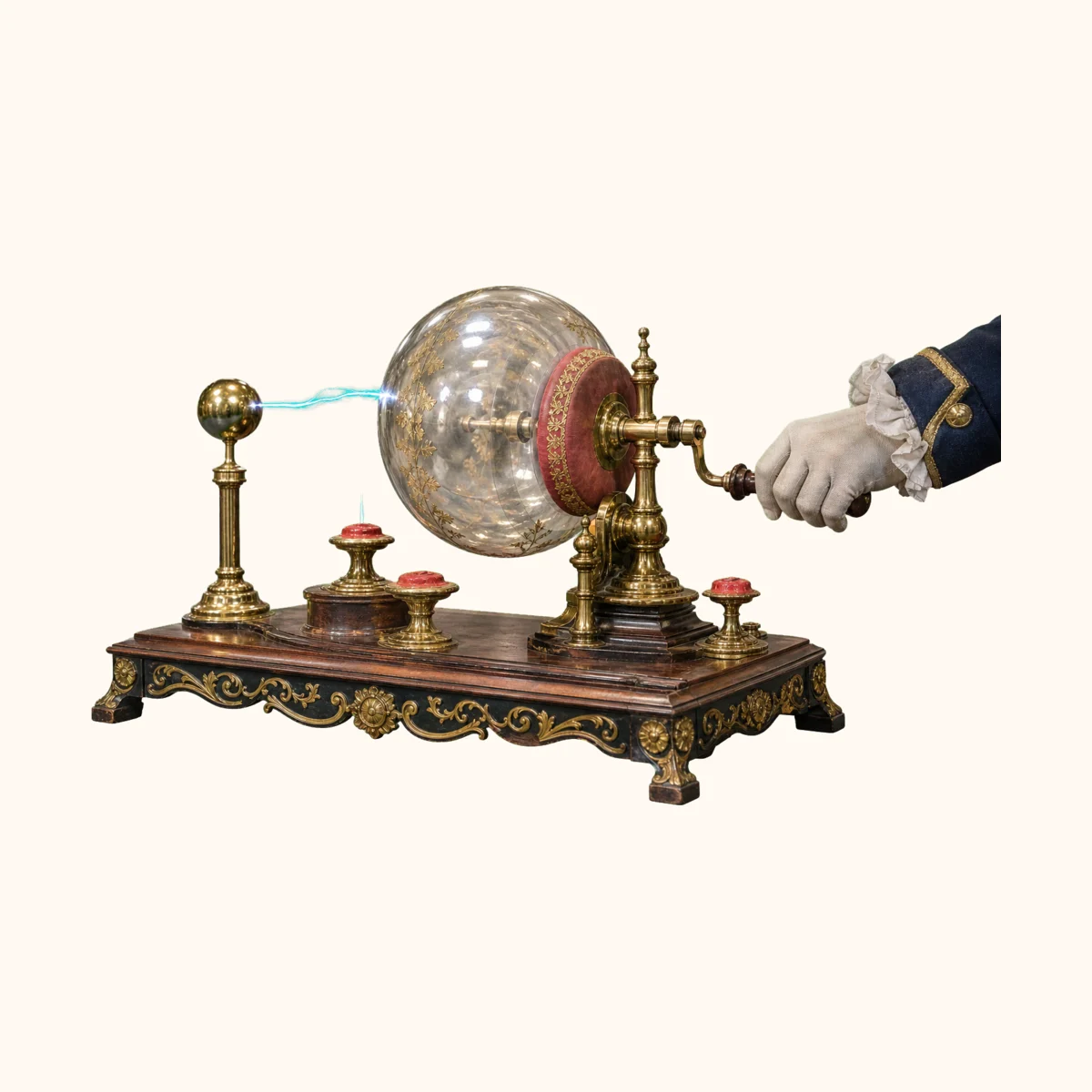
Around 1762, George Adams built King George III a hand-cranked glass-globe machine that accumulated static charge for sparks and experiments.
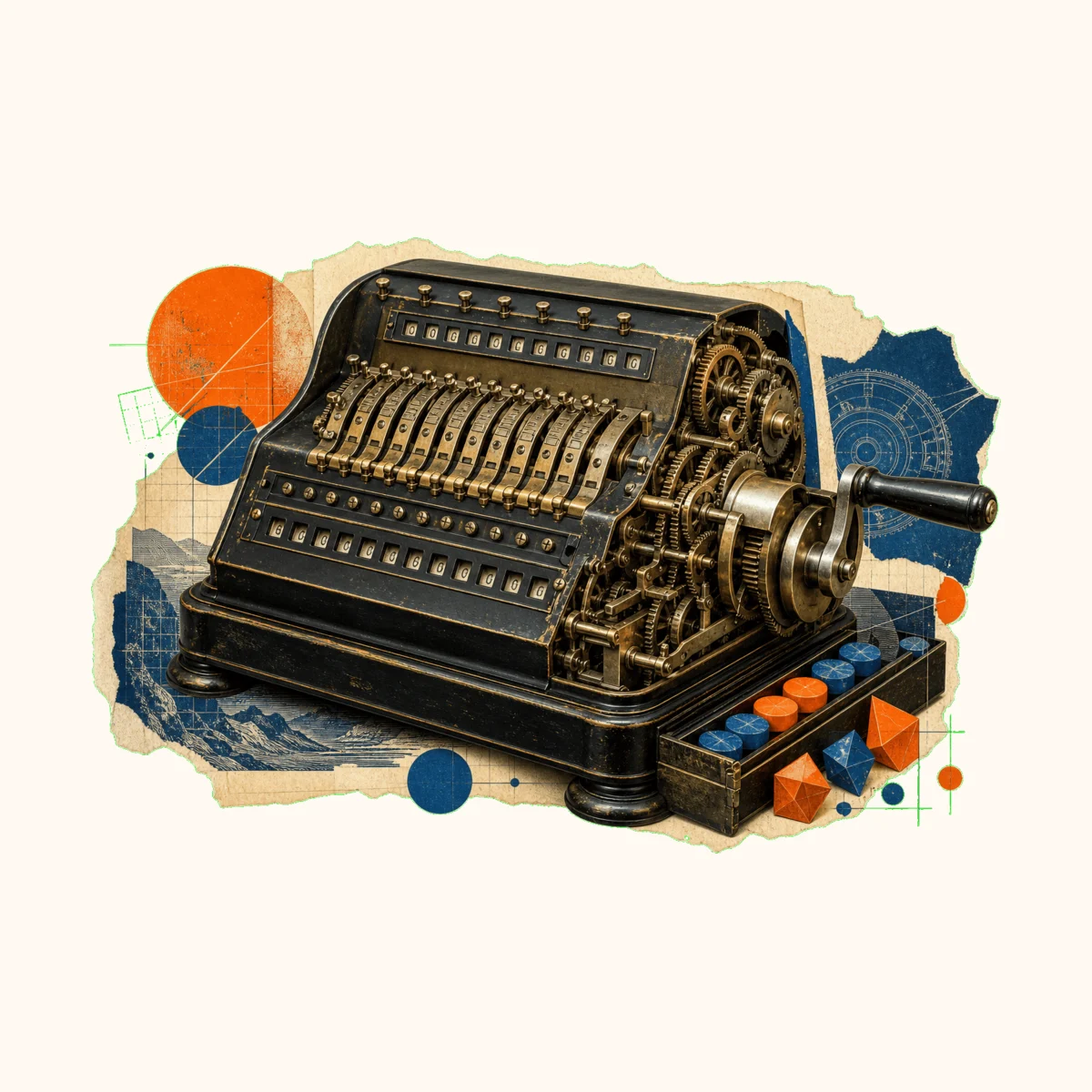
Otto Steiger's 1890s calculating machine could multiply by a single digit directly with one turn of its crank.
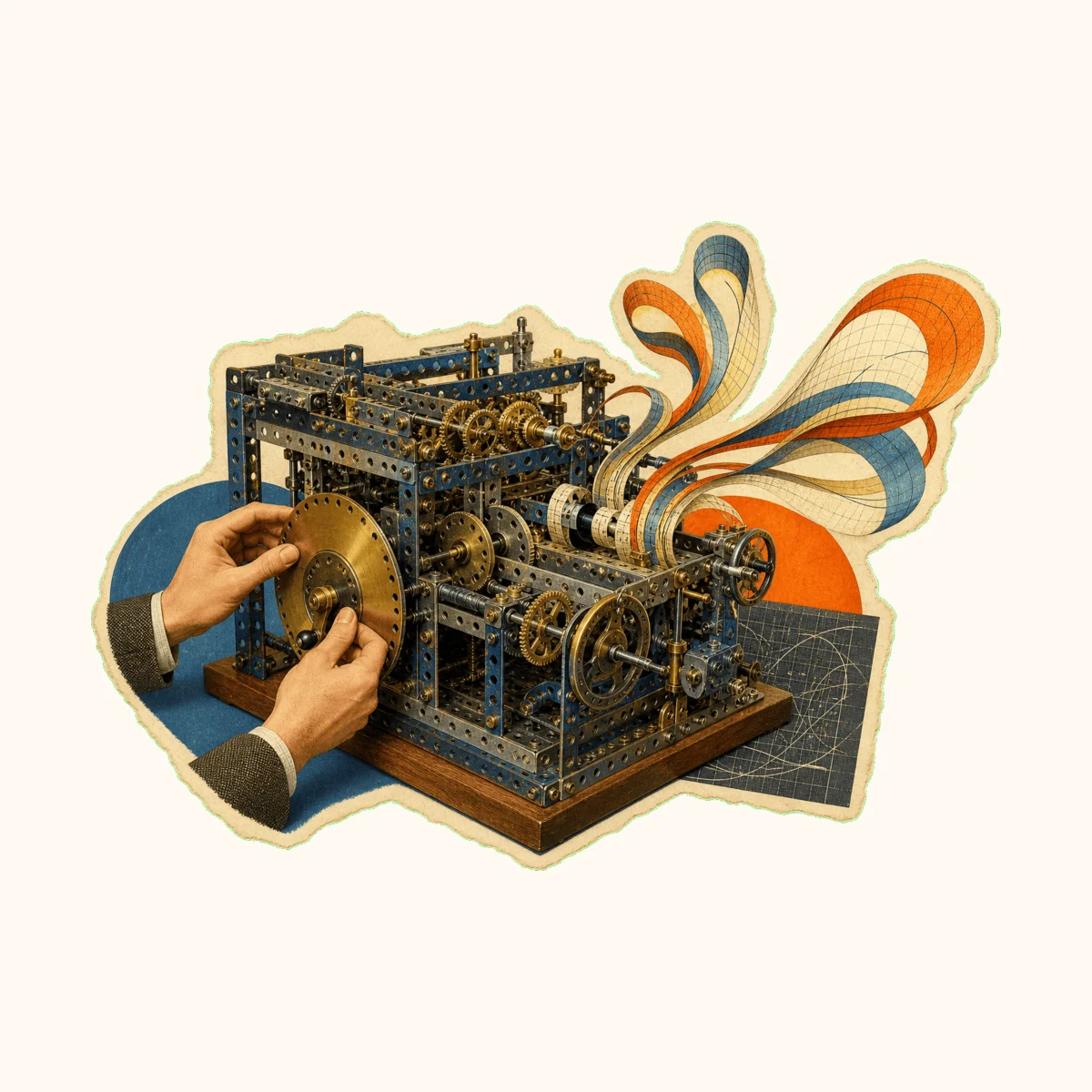
Arthur Porter built a working differential analyser from Meccano construction parts while waiting for a full-size machine.
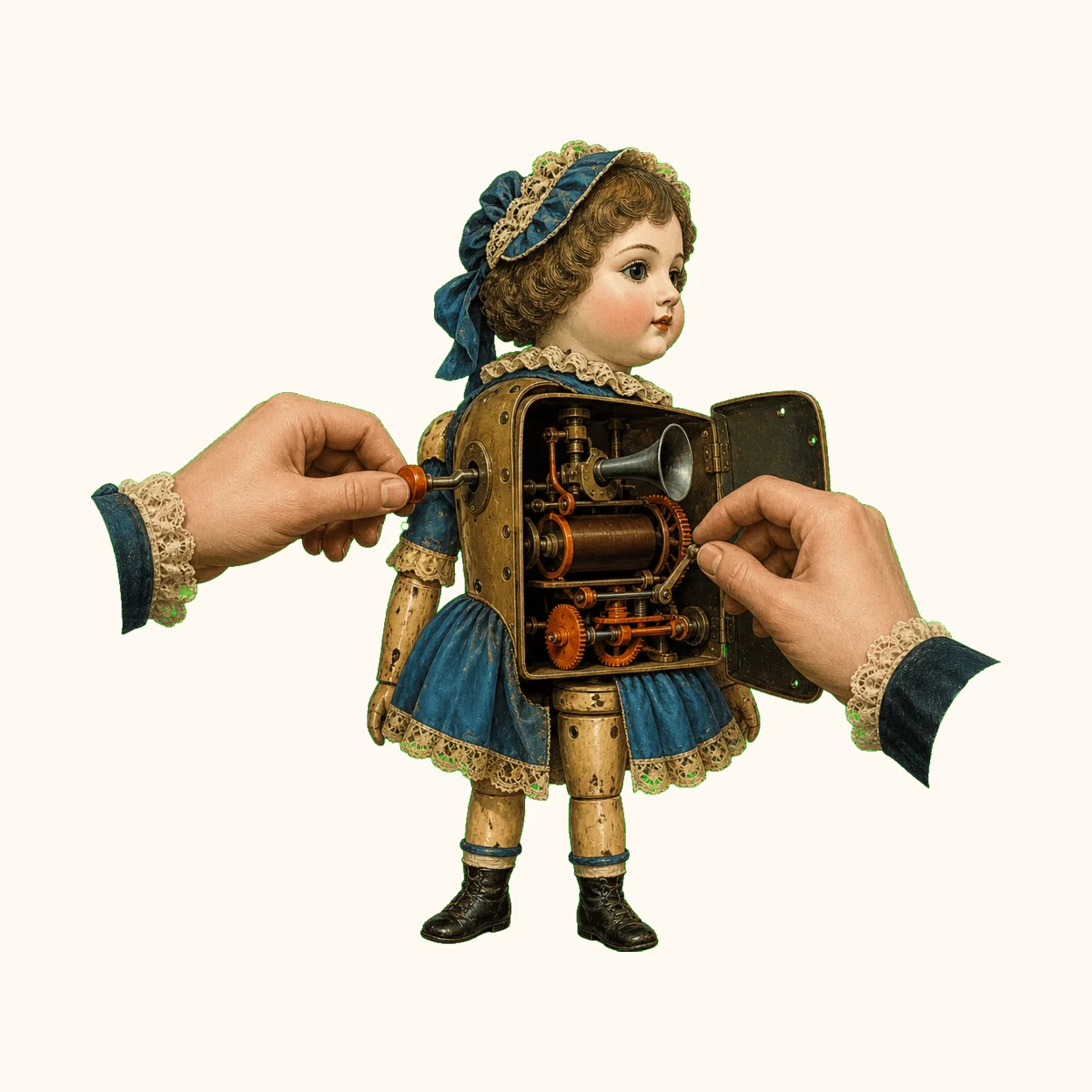
Edison's briefly sold 1890 talking doll carried a tiny hand-cranked phonograph and a wax recording of a nursery rhyme inside its metal torso.

In Edo-period kōdō, heated aromatic woods were identified by scent and recorded with playing pieces and geometric symbols.

A sixteenth-century mechanical galleon rolled across a table while figures processed, bells rang, music played, and miniature cannons fired.