

Ticker


Archive for "August, 2026"

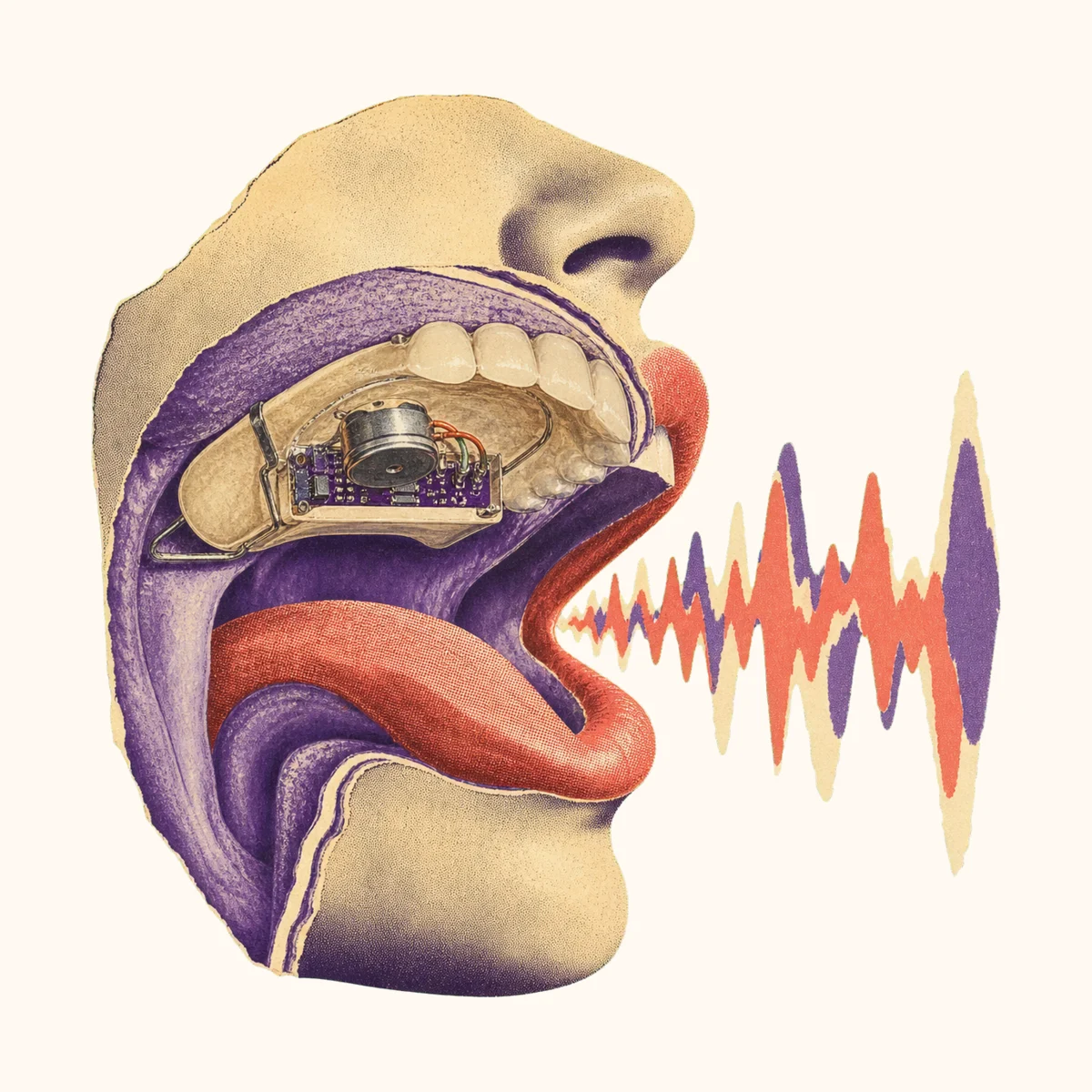
A dental surgeon designed a false upper palate with a transistor buzzer so lip and mouth movements could shape its vibration into intelligible words.
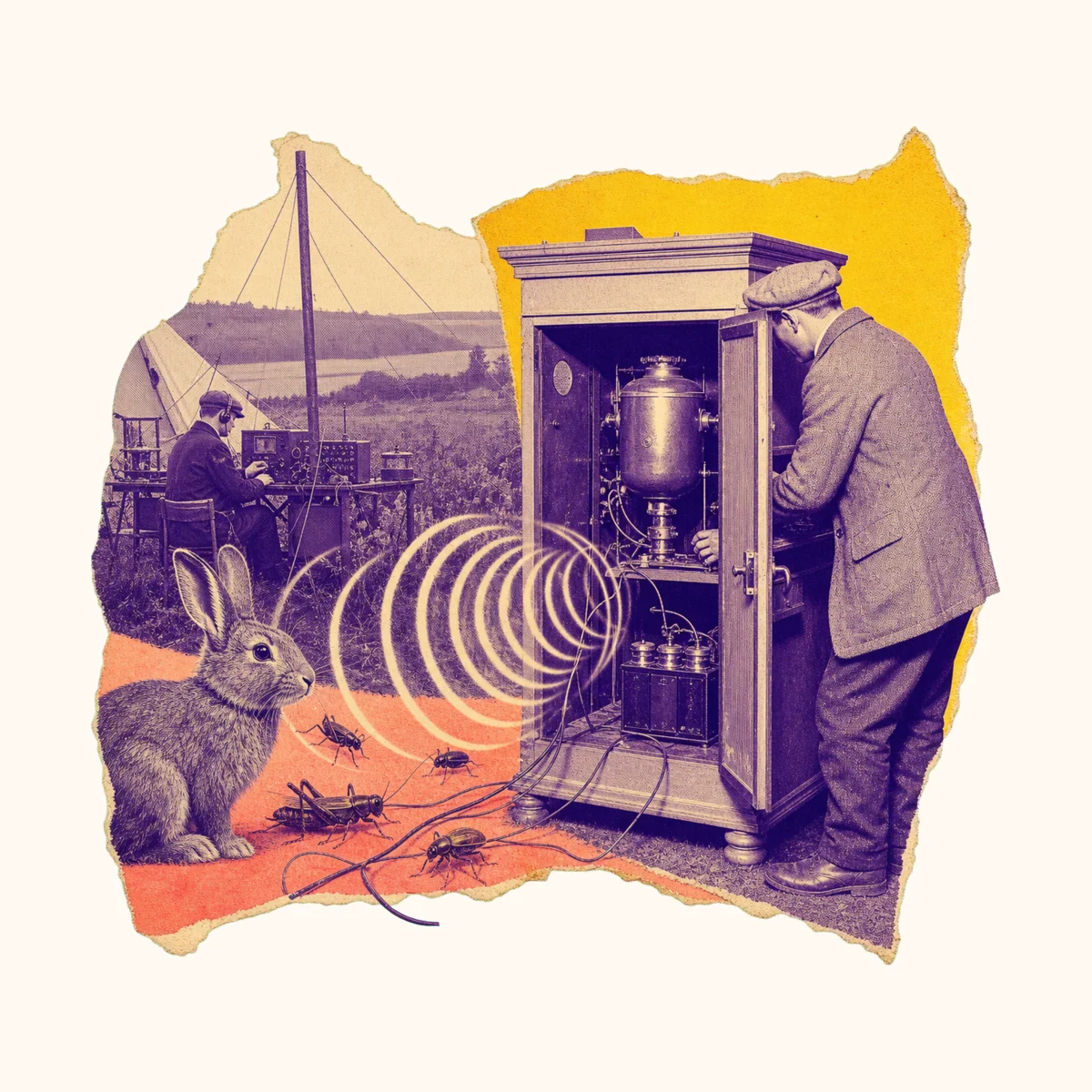
The extremely heavy Marconi-Sykes Magnetophone sat inside a cupboard-like stand and was sensitive enough to catch insects moving near its fragile coil.
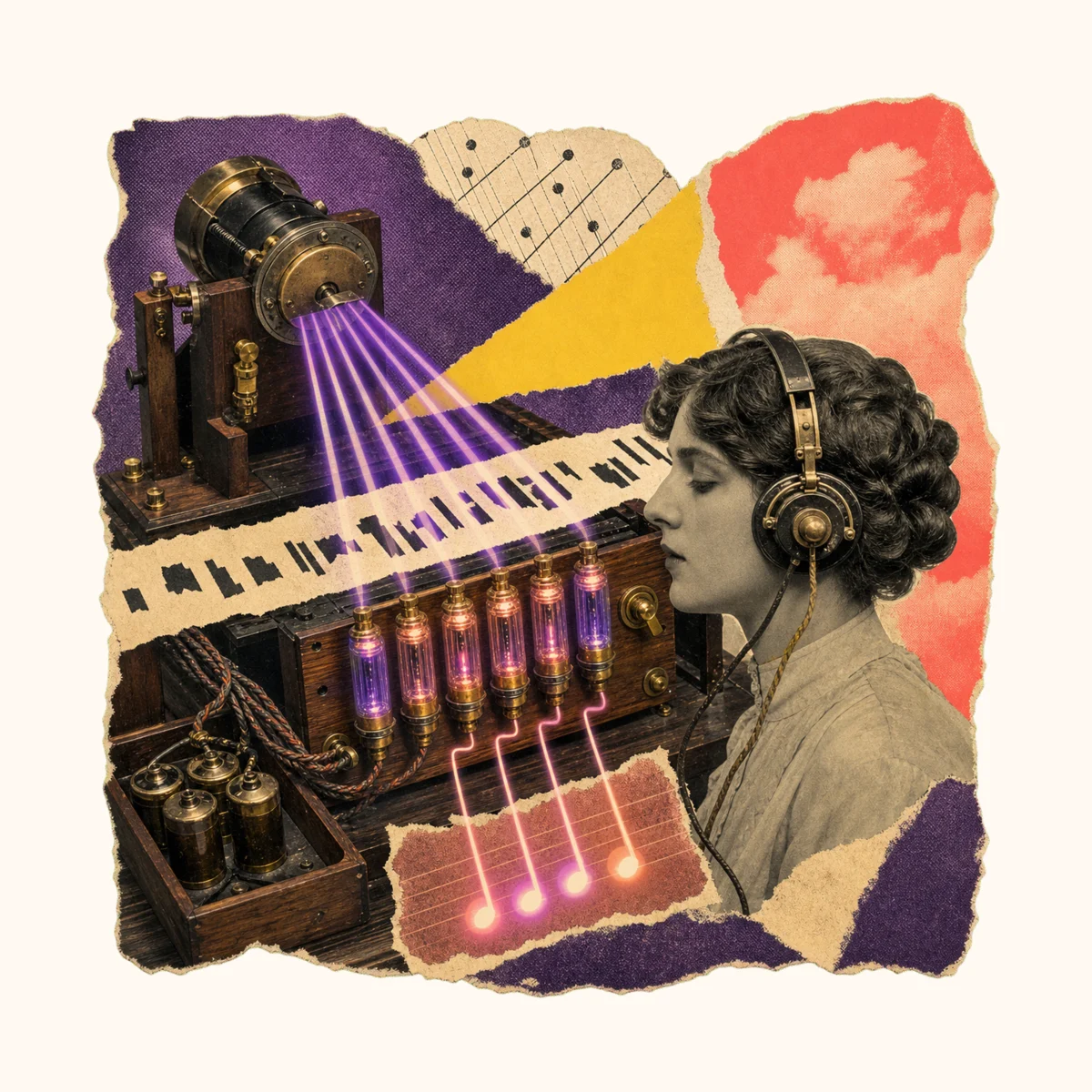
Fournier d'Albe's Optophone scanned ink and translated each letter shape into a changing pattern of musical tones for blind readers.
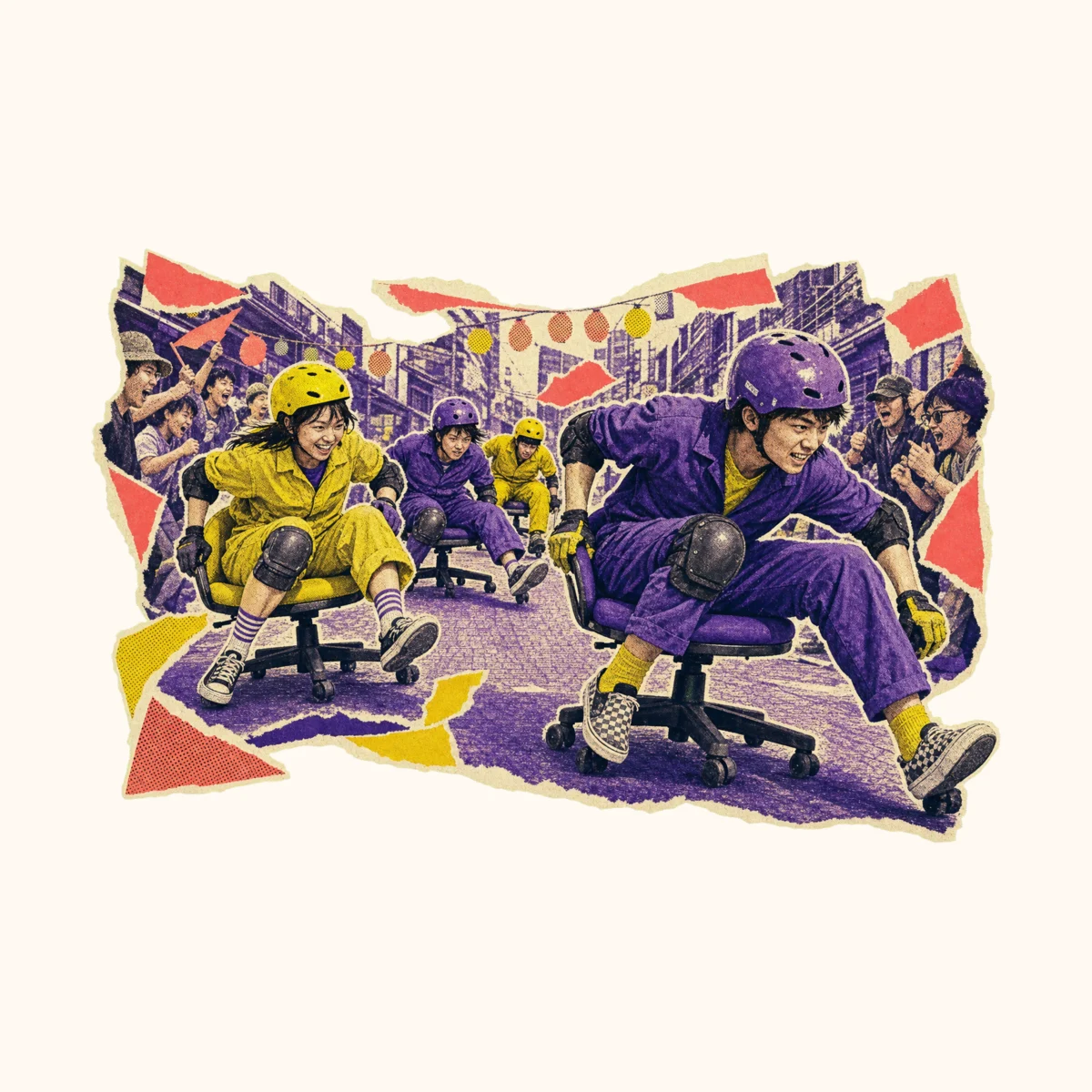
Japan's ISU-1 Grand Prix sends teams around street courses on wheeled office chairs propelled by their feet.
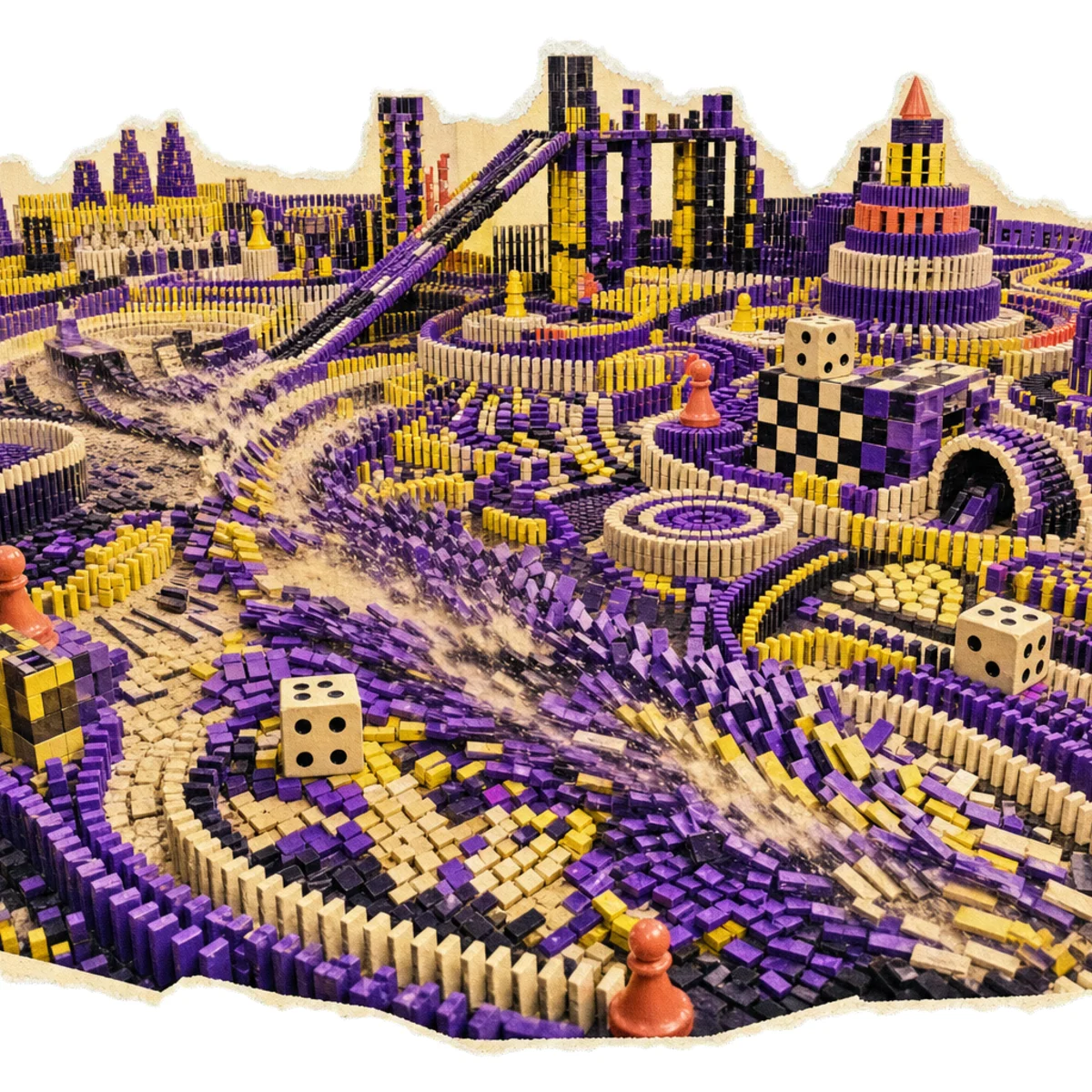
A large collaborative domino installation turned scientific ideas into a chain reaction designed to disappear as it ran.
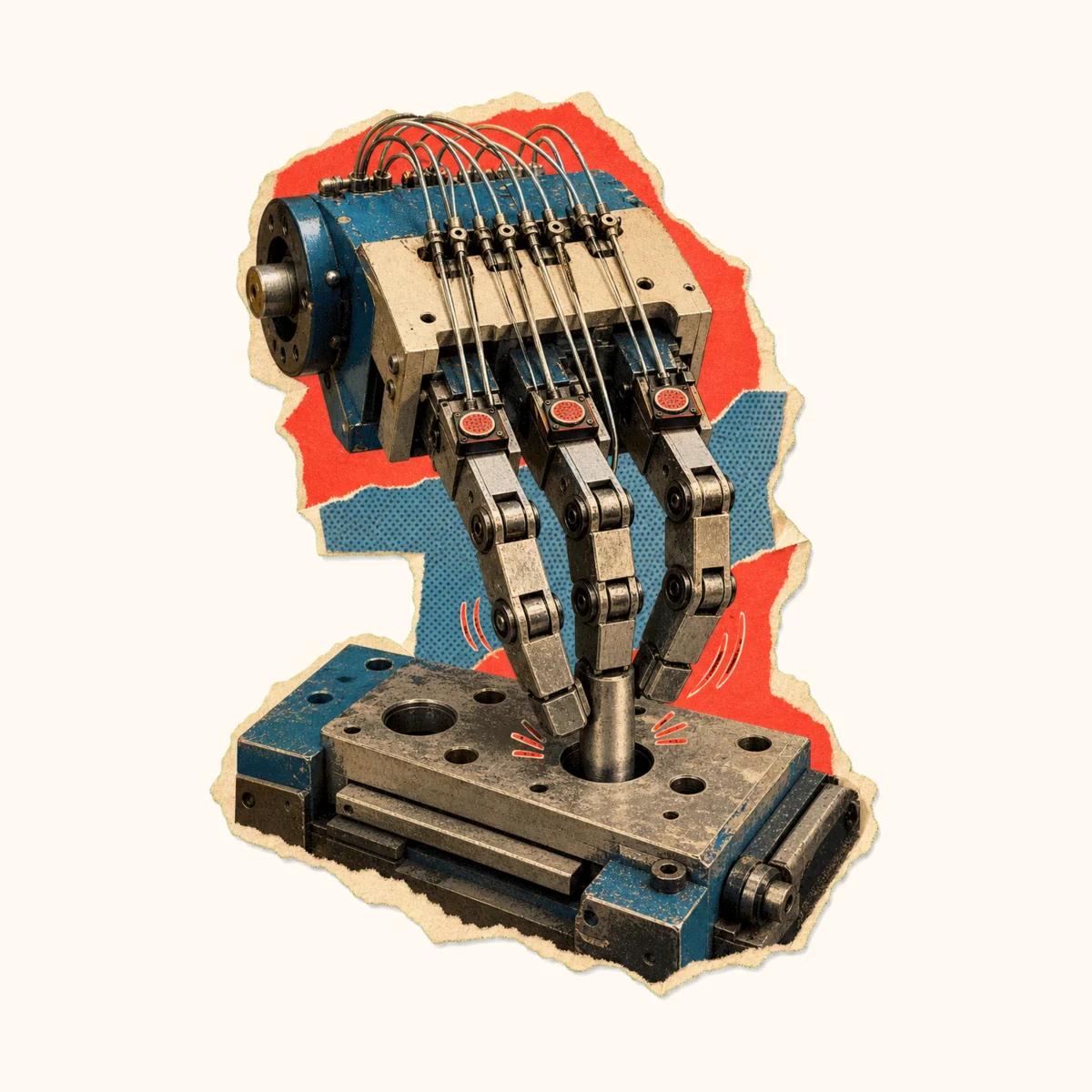
The 1980s Salisbury hand used three three-jointed fingers, twelve tension cables, and force sensors to adjust a grasp while inserting objects.
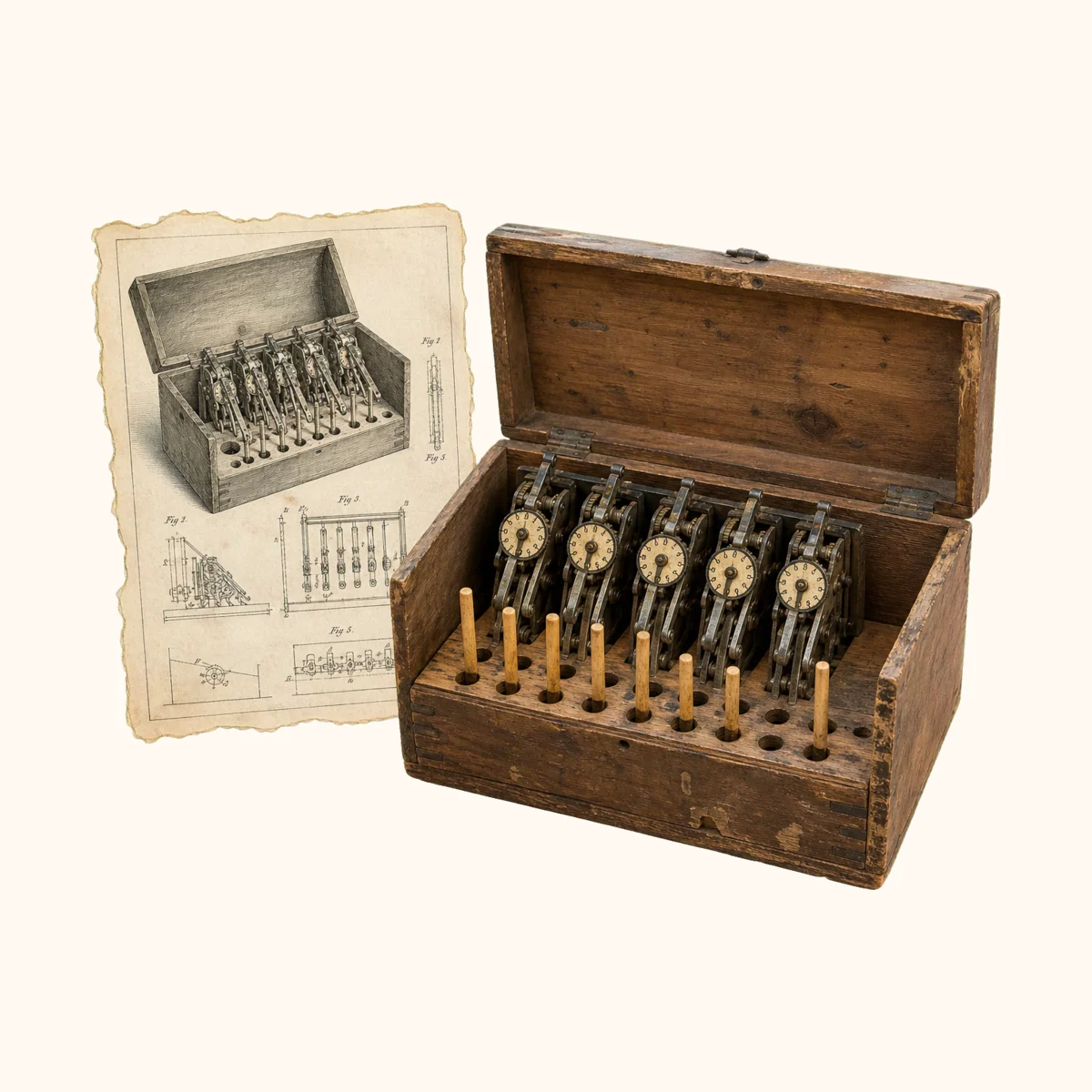
Dorr Felt's prototype Comptometer used a scarred wooden pasta-shipping box, wooden skewers for keys, and salvaged mechanisms.
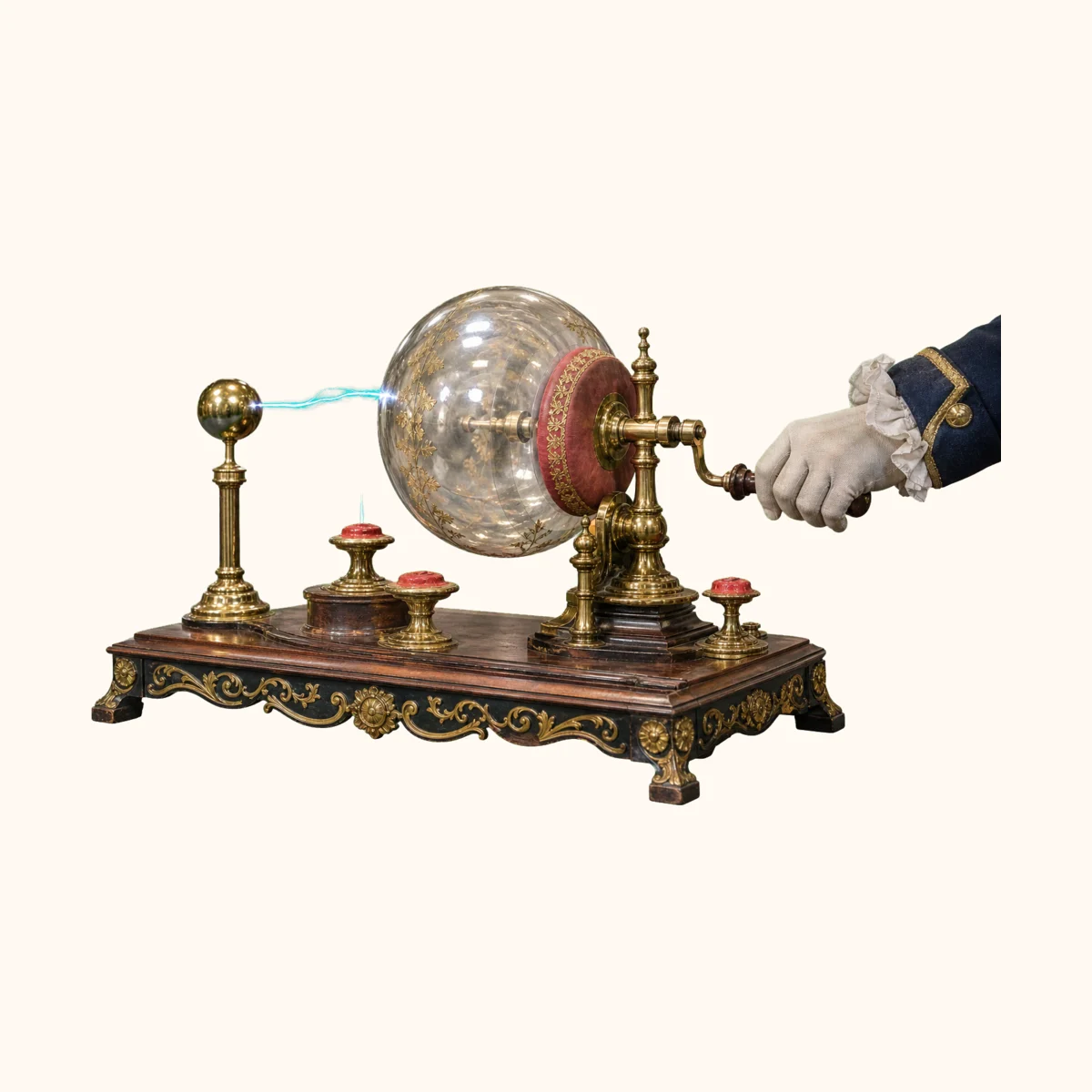
Around 1762, George Adams built King George III a hand-cranked glass-globe machine that accumulated static charge for sparks and experiments.
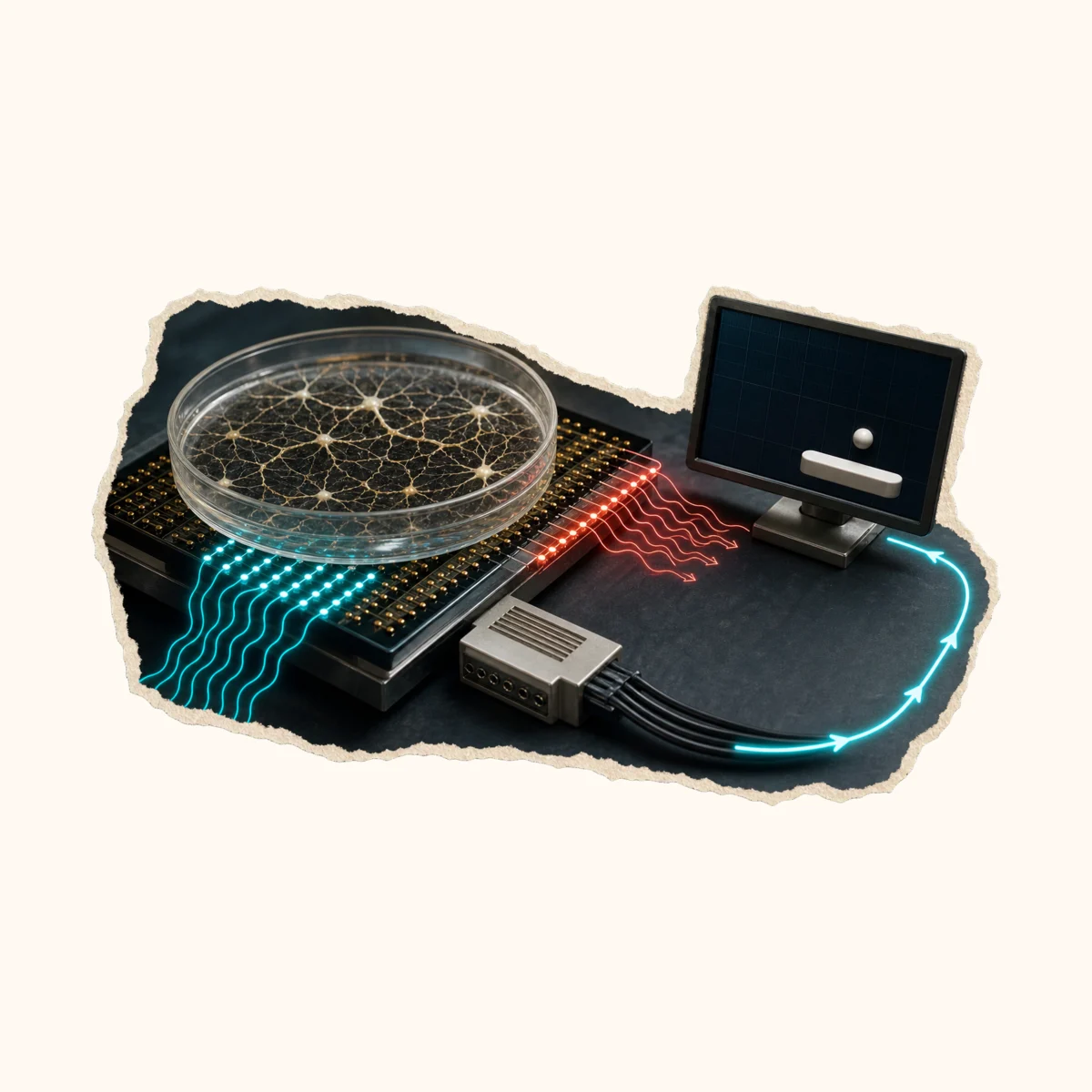
A cultured neural system received feedback from a simplified Pong environment and changed its activity during the experiment.
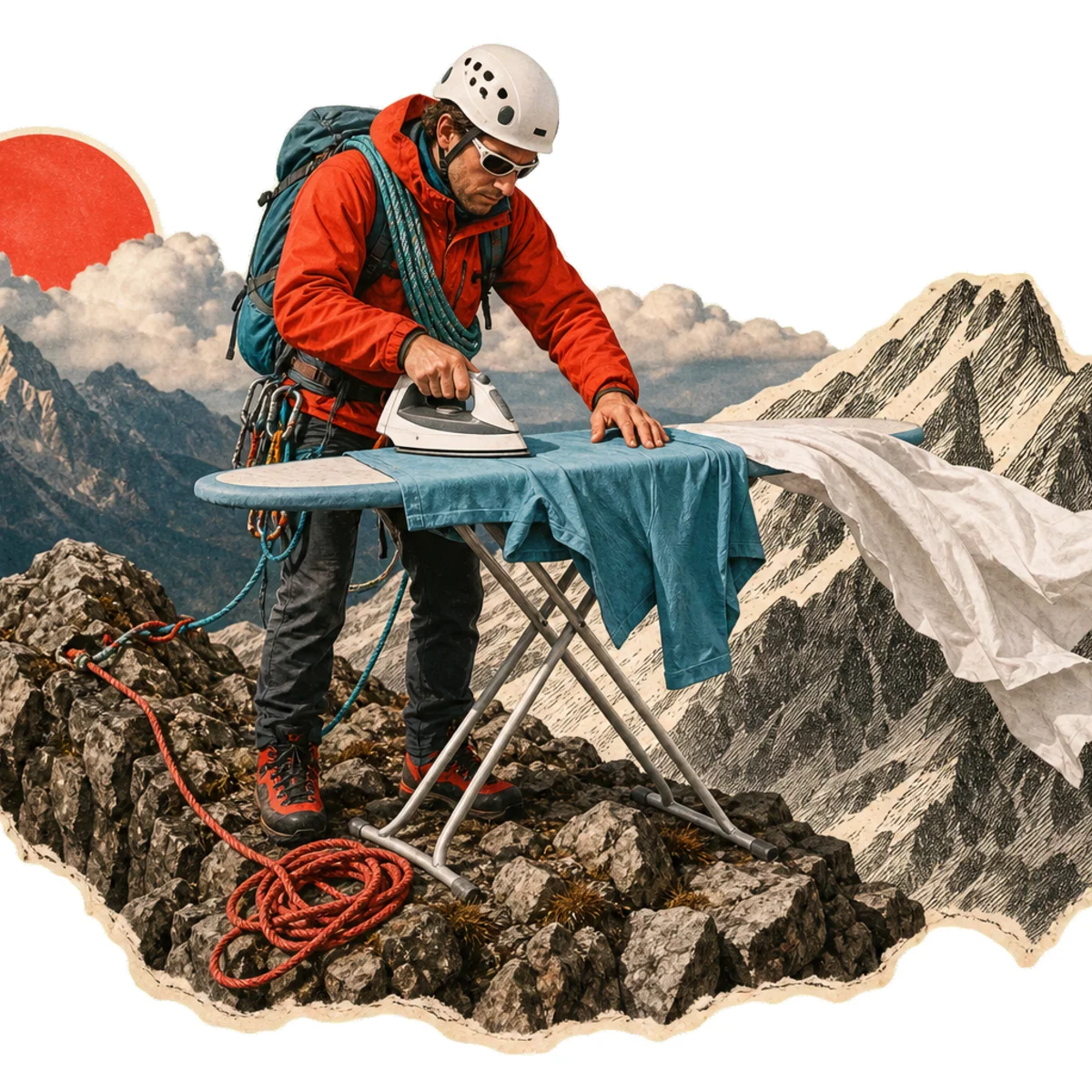
Extreme ironing combines pressing clothes with deliberately unsuitable outdoor settings.