Share
Share







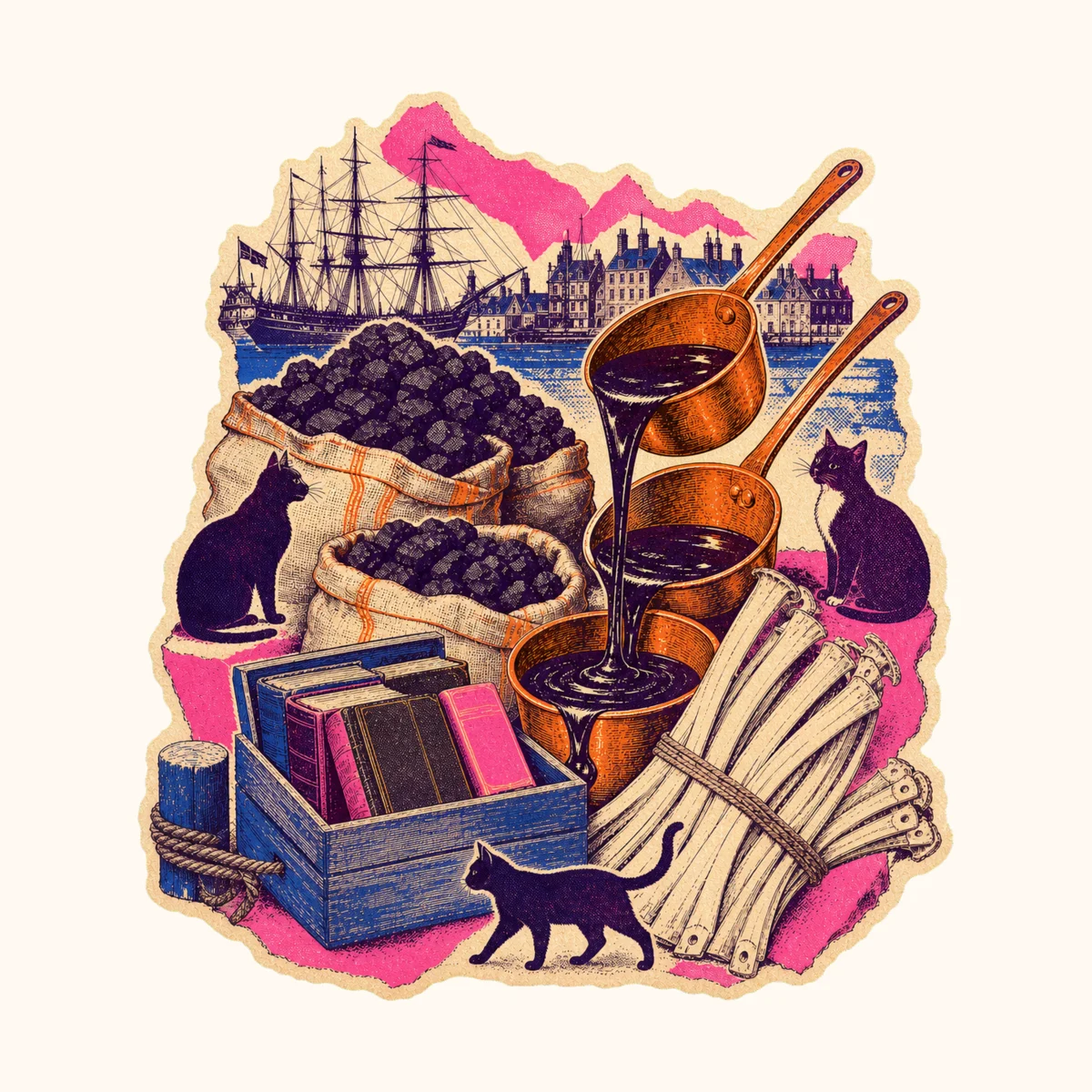
Timothy Dexter built a fortune from business plans that sounded like insults. The eighteenth-century Massachusetts merchant repeatedly bought or shipped goods where sensible people said they did not belong—and then watched circumstances rescue the idea. His most famous trade sent coal to Newcastle, an English city so associated with coal that “coals to Newcastle” already meant doing something pointless. A miners' strike created a shortage, and Dexter sold at a profit. Luck had found its favorite customer.
He also shipped warming pans to the Caribbean, where the long-handled copper vessels were reportedly repurposed as ladles in the molasses trade. He exported Bibles to the East Indies, sent stray cats to Caribbean islands for pest control, and accumulated whalebone that later found a profitable market as corset stays. Each venture looked like evidence that he misunderstood the product, the destination, or both. Each success made the misunderstanding harder to diagnose.
Dexter's record should not be mistaken for a tidy business method. It is stranger than that. He occupied the narrow strip where terrible judgment, fortunate timing, and an appetite for risk can resemble genius after the receipts arrive. Most bad ideas remain bad. Timothy Dexter somehow kept finding the exceptions—and invoicing them.