Ticker


Archive for "August, 2026"

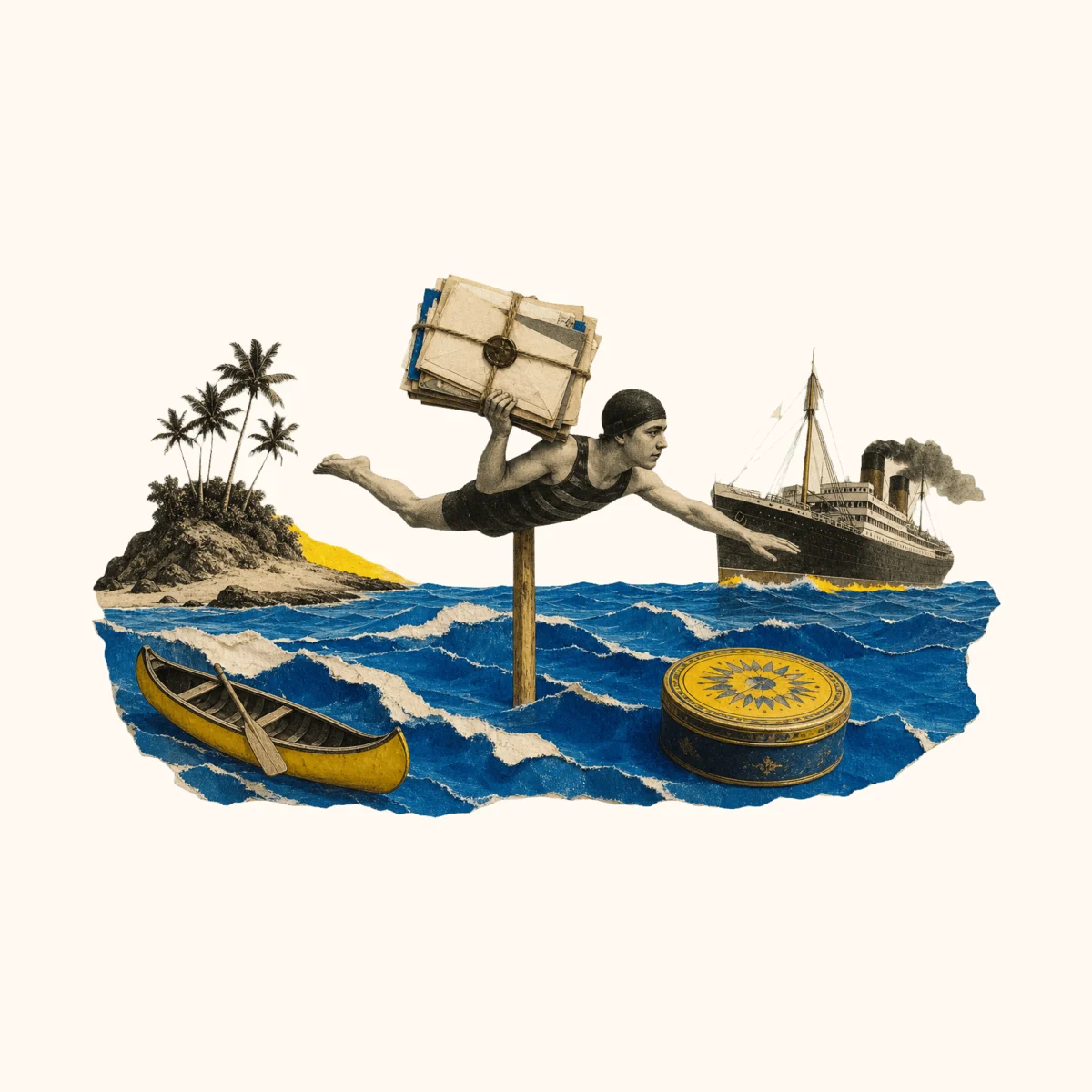
Niuafo'ou's remote mail service used swimmers, canoes, and sealed biscuit tins to exchange letters with passing ships.
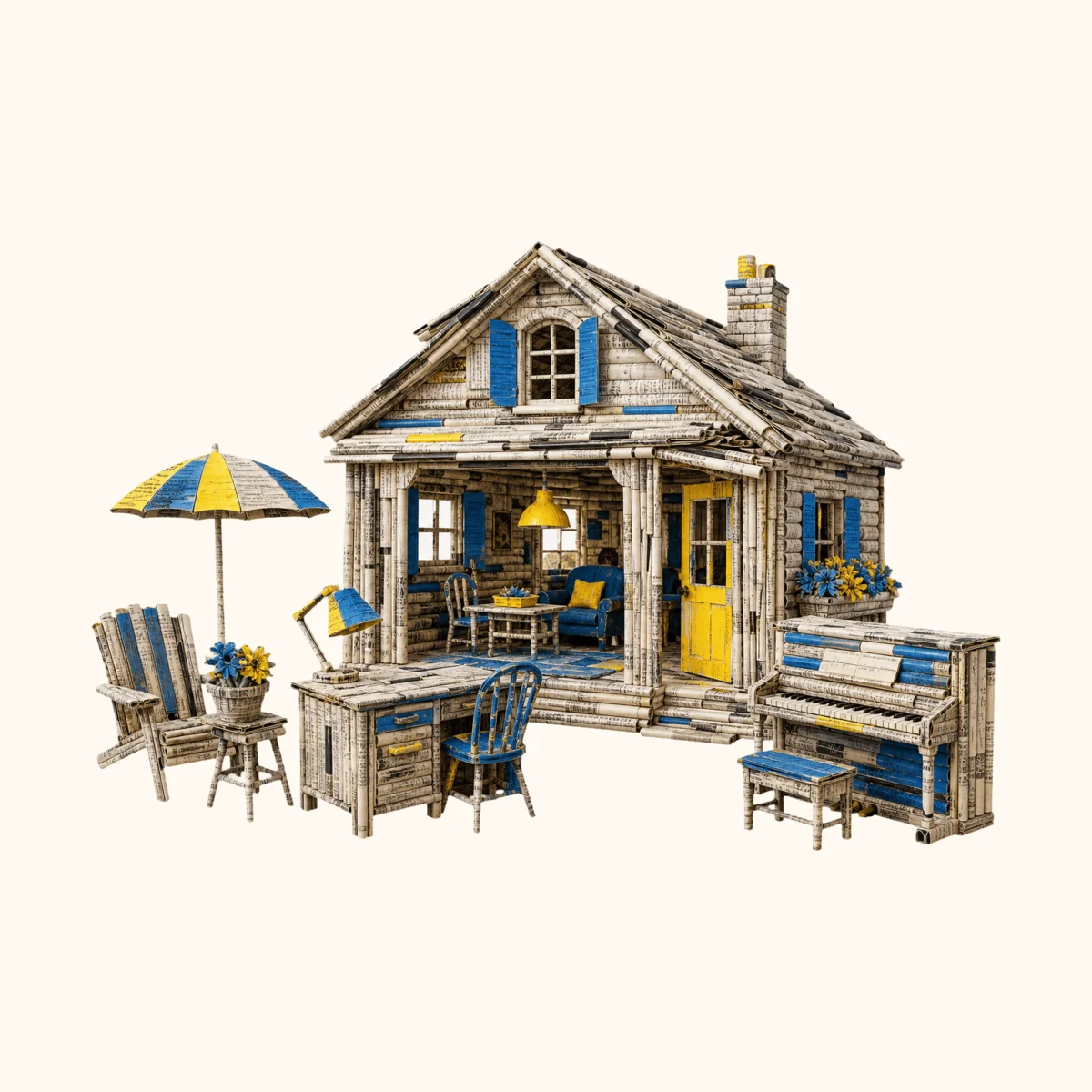
Mechanical engineer Elis Stenman built a Rockport summer house whose paper walls and furniture were made by rolling and varnishing old newspapers.
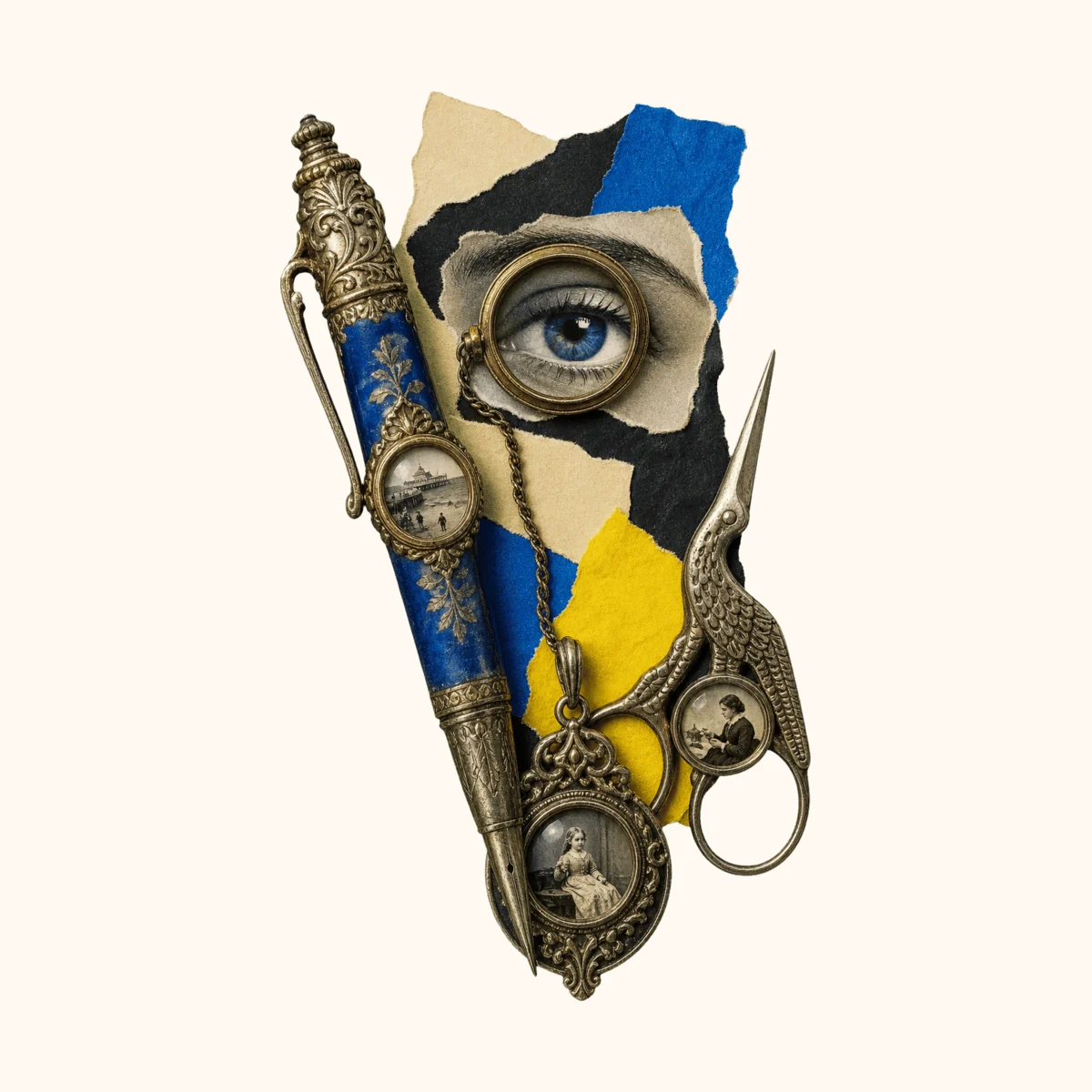
Stanhope novelties placed microphotographs behind tiny lenses hidden in pens, sewing tools, jewelry, and other ordinary objects.
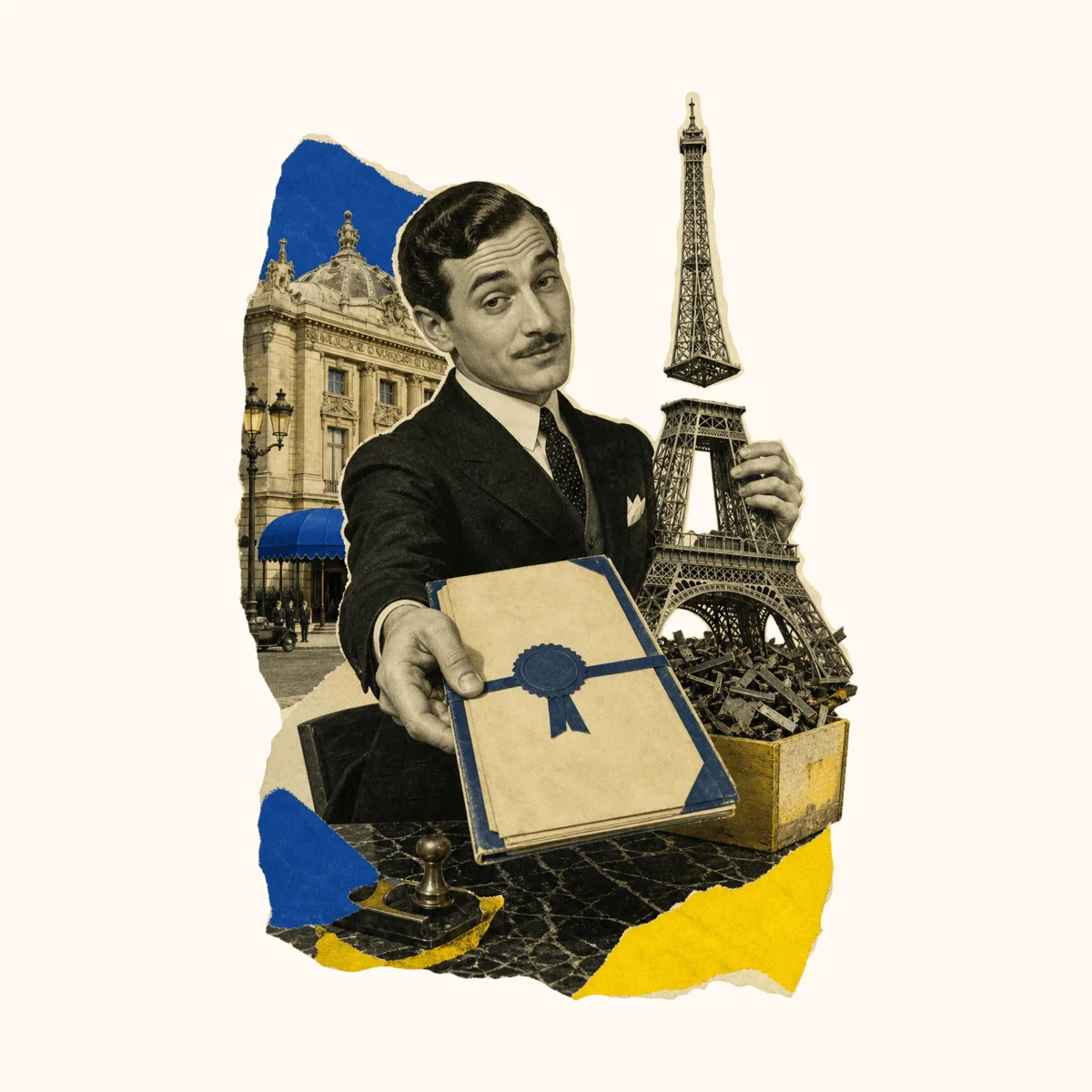
Victor Lustig posed as a government official and persuaded a scrap dealer that the Eiffel Tower was secretly for sale.
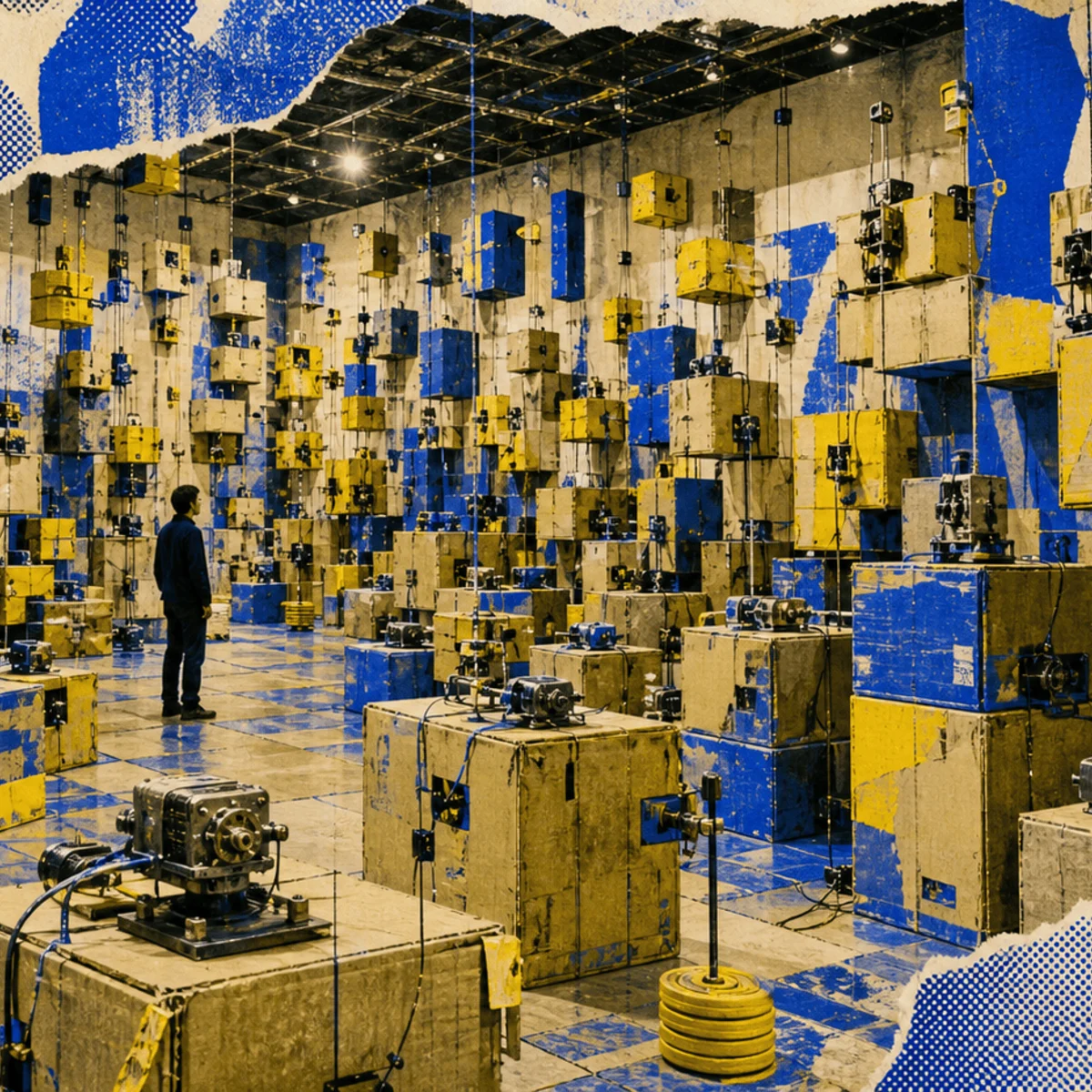
Artist Zimoun builds large installations from repeated motors, wires, boxes, and impacts that behave like mechanical environments.
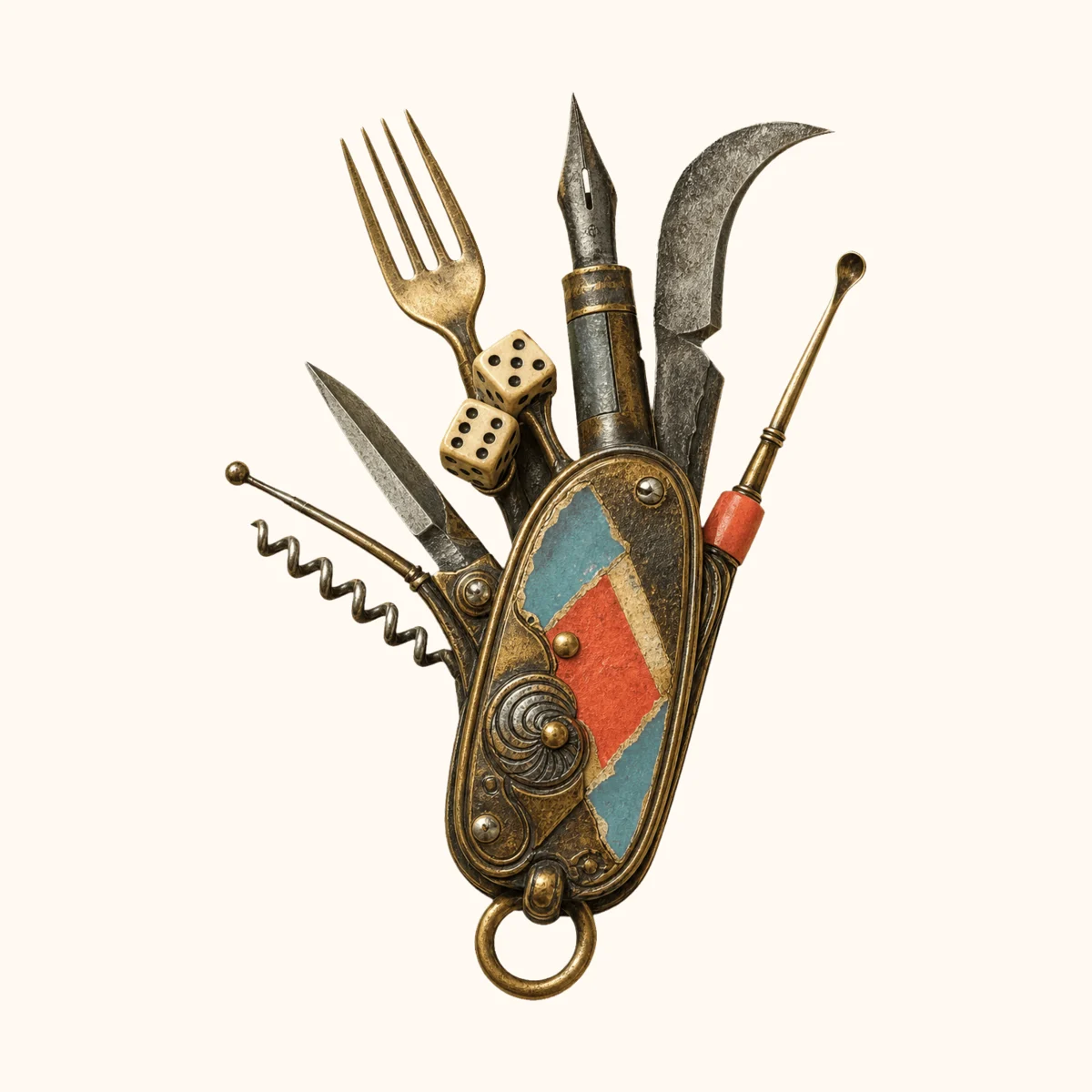
A jeweled folding implement in the British Museum packs dining utensils, writing tools, grooming tools, and two tiny dice into one object.
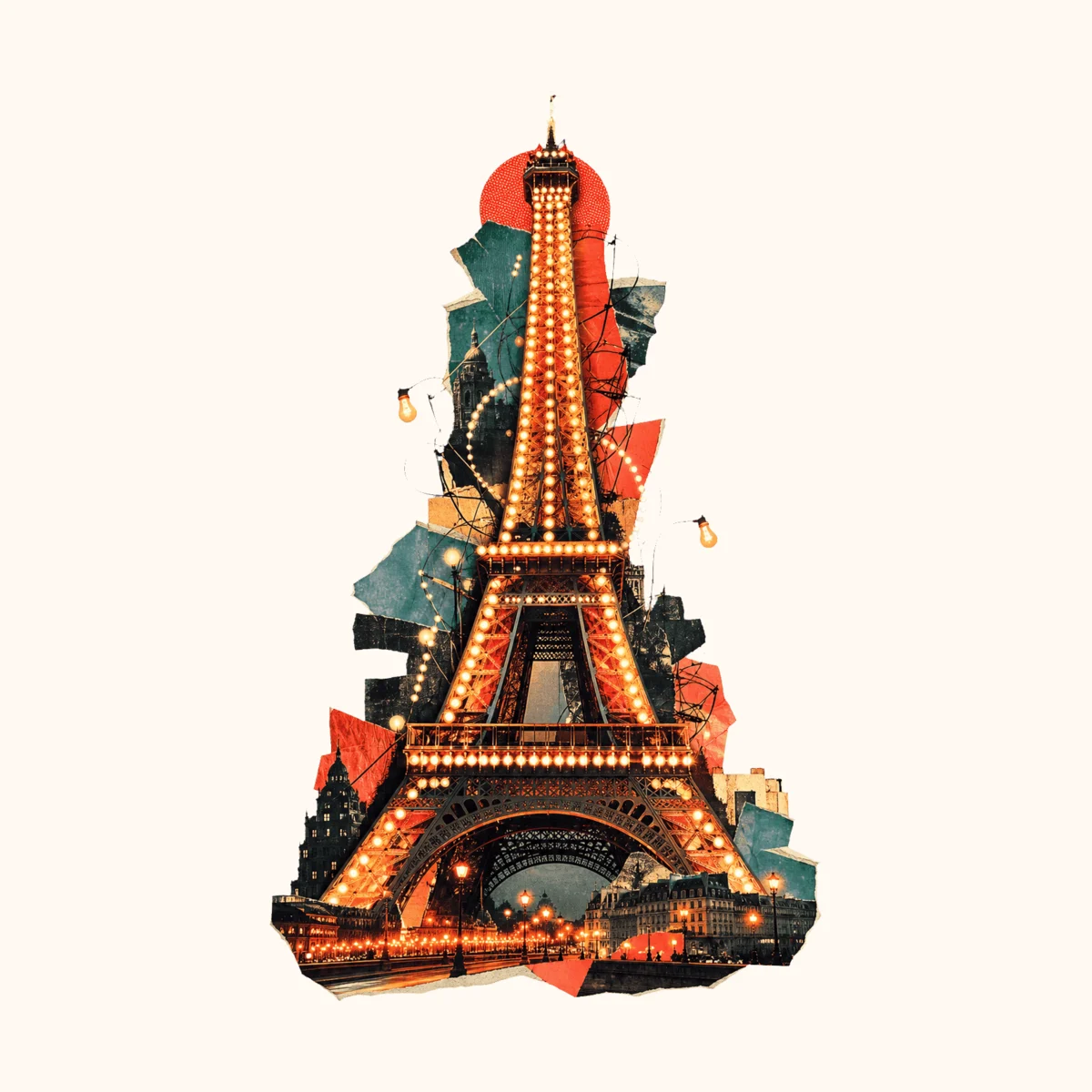
For the 1925 World’s Fair, André Citroën’s name appeared in giant illuminated letters on three faces of the Eiffel Tower.
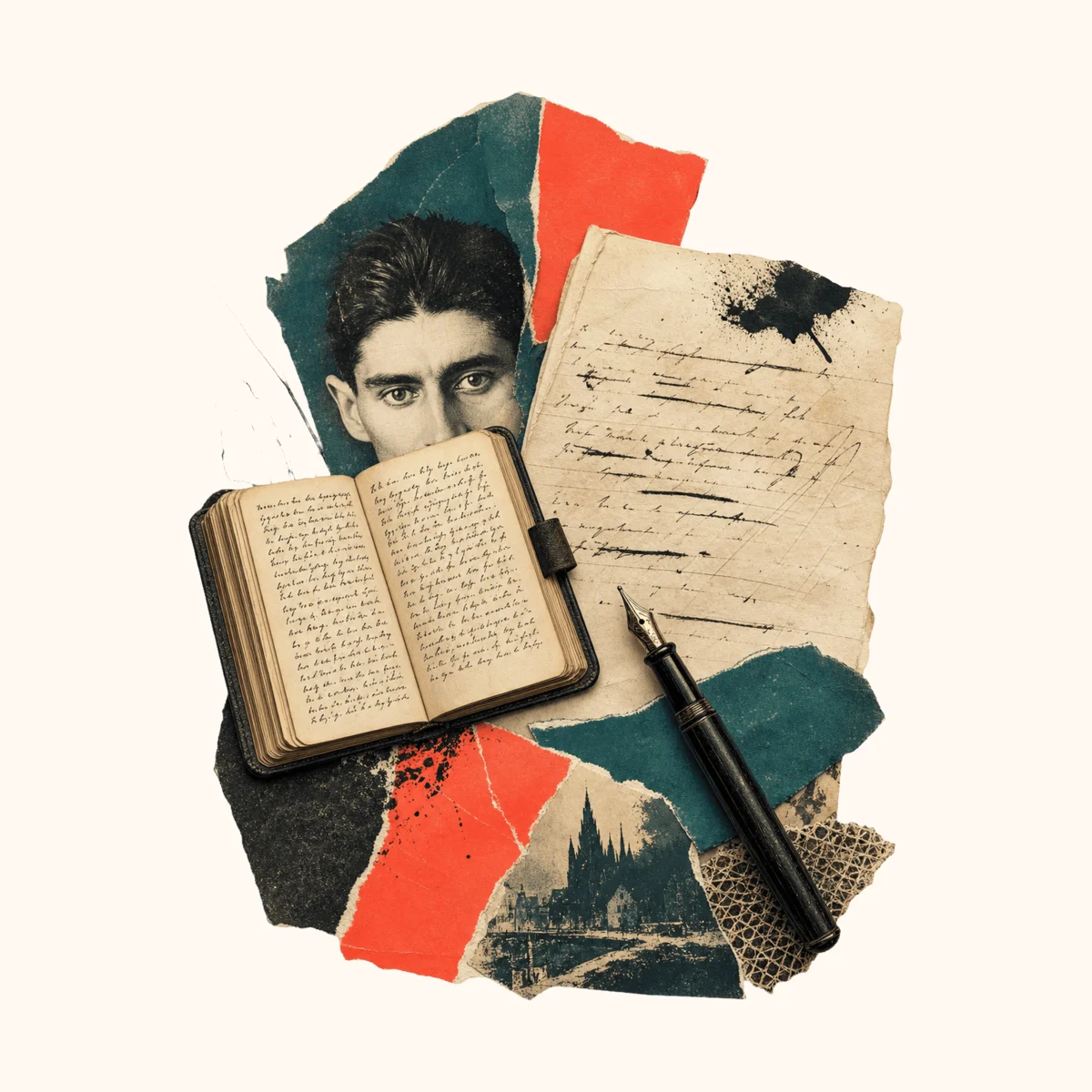
Rare Kafka manuscripts, sketches, letters, and a Hebrew-learning notebook eventually joined the Max Brod Archive at the National Library of Israel.
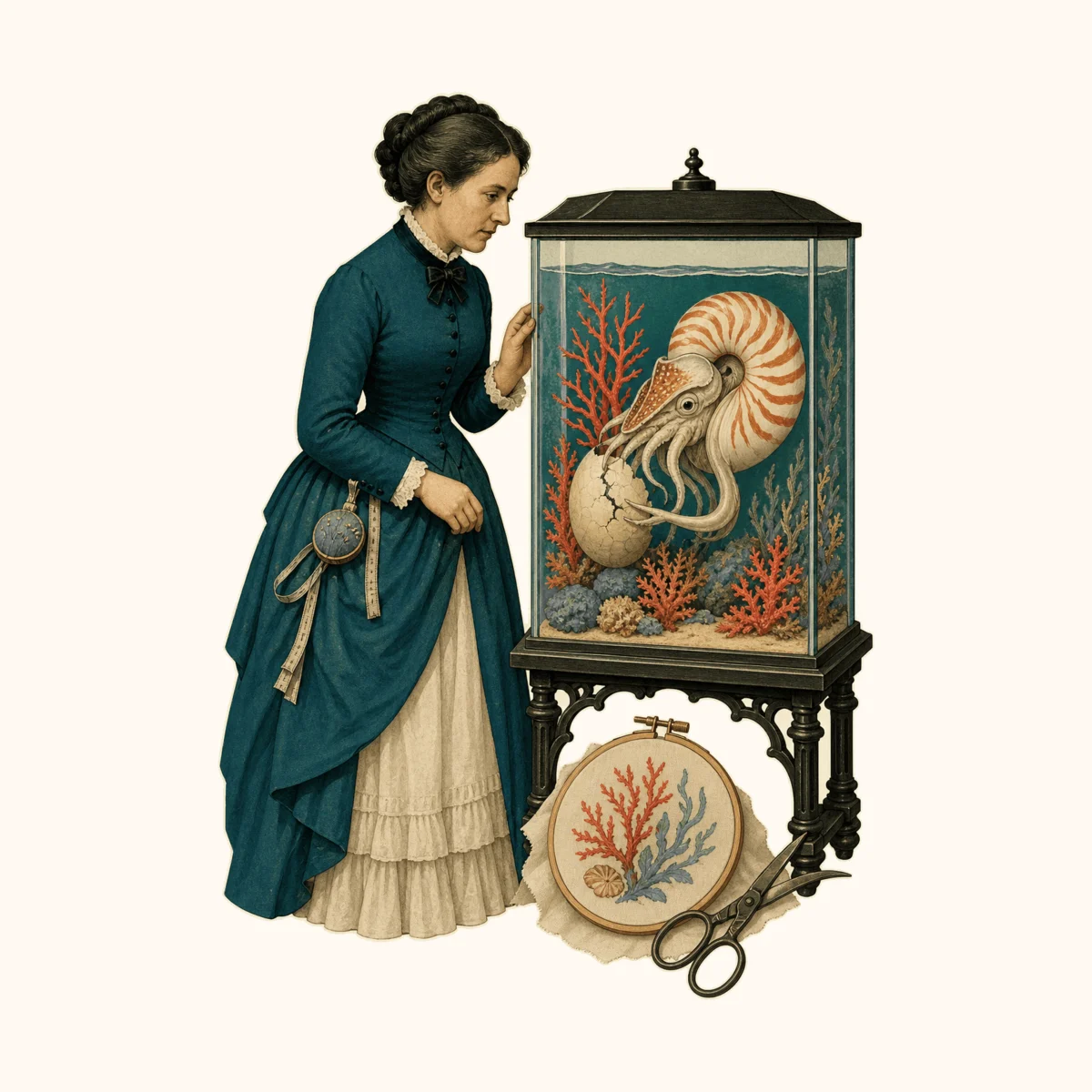
Jeanne Villepreux-Power developed glass enclosures to observe living marine animals and test how the paper nautilus forms its shell.
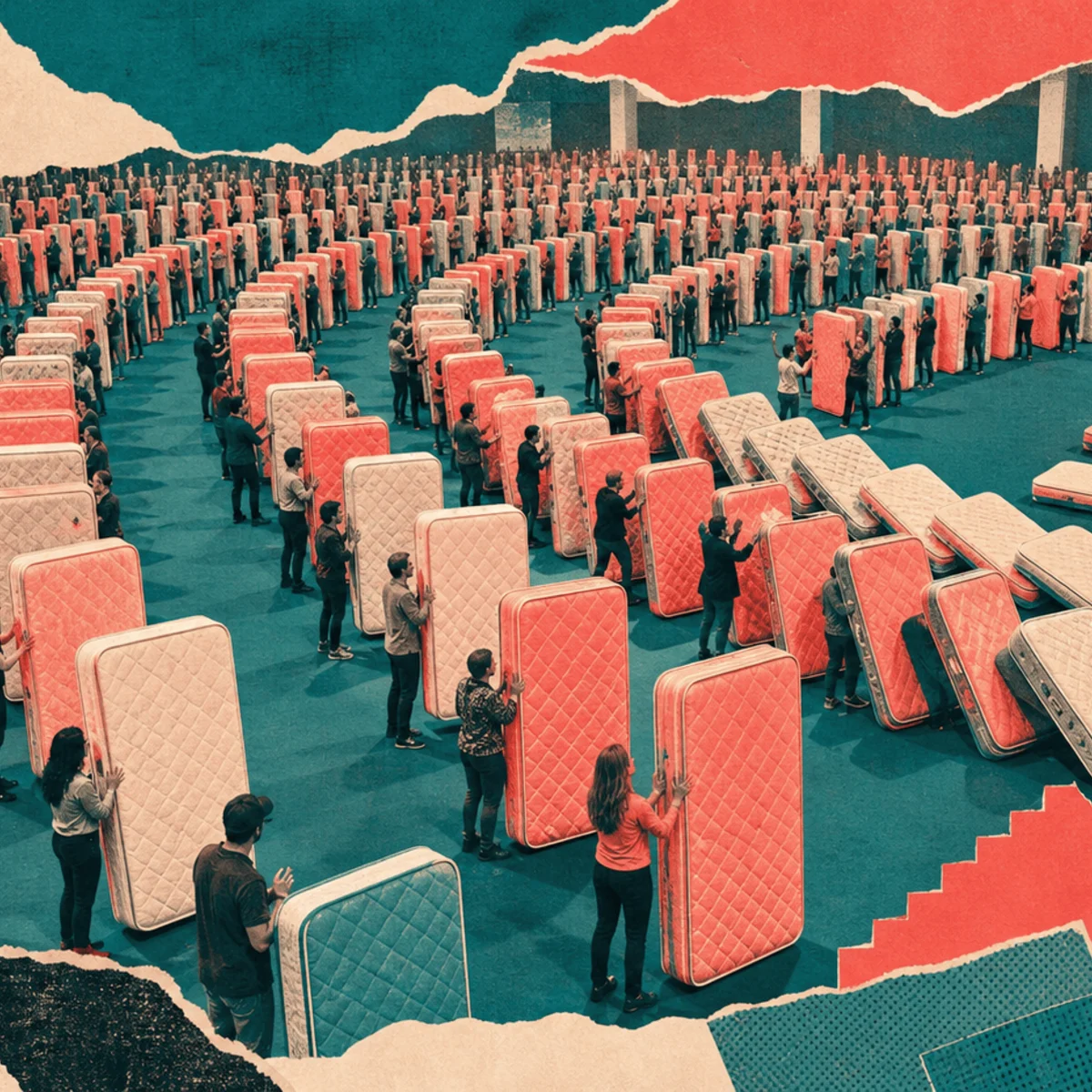
Record attempts have turned rows of people holding mattresses into large-scale falling-domino performances.