

Ticker


Archive for "August, 2026"

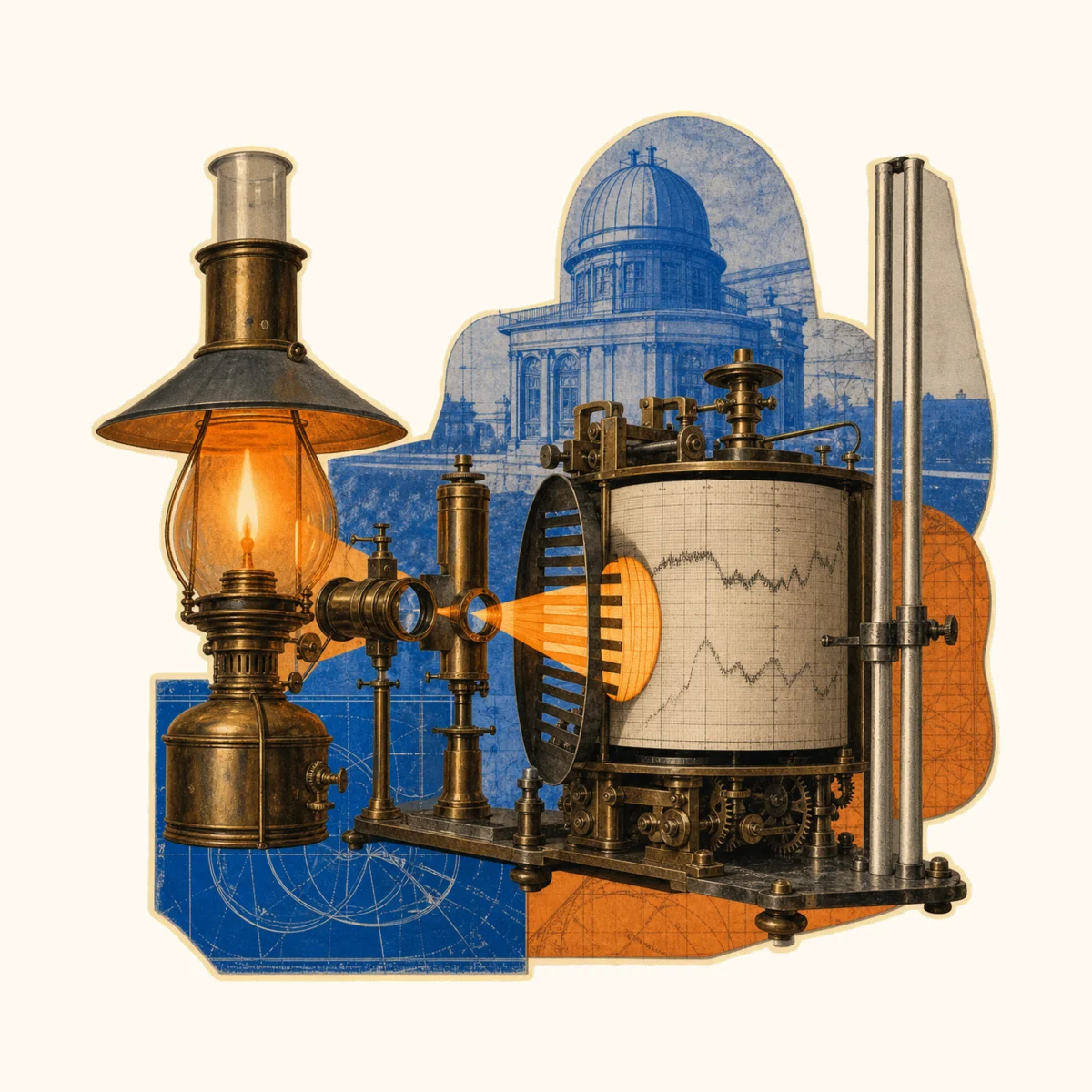
A gas lamp, mercury barometer, clockwork drum, and light-blocking shutter created a continuous photographic trace of changing atmospheric pressure.
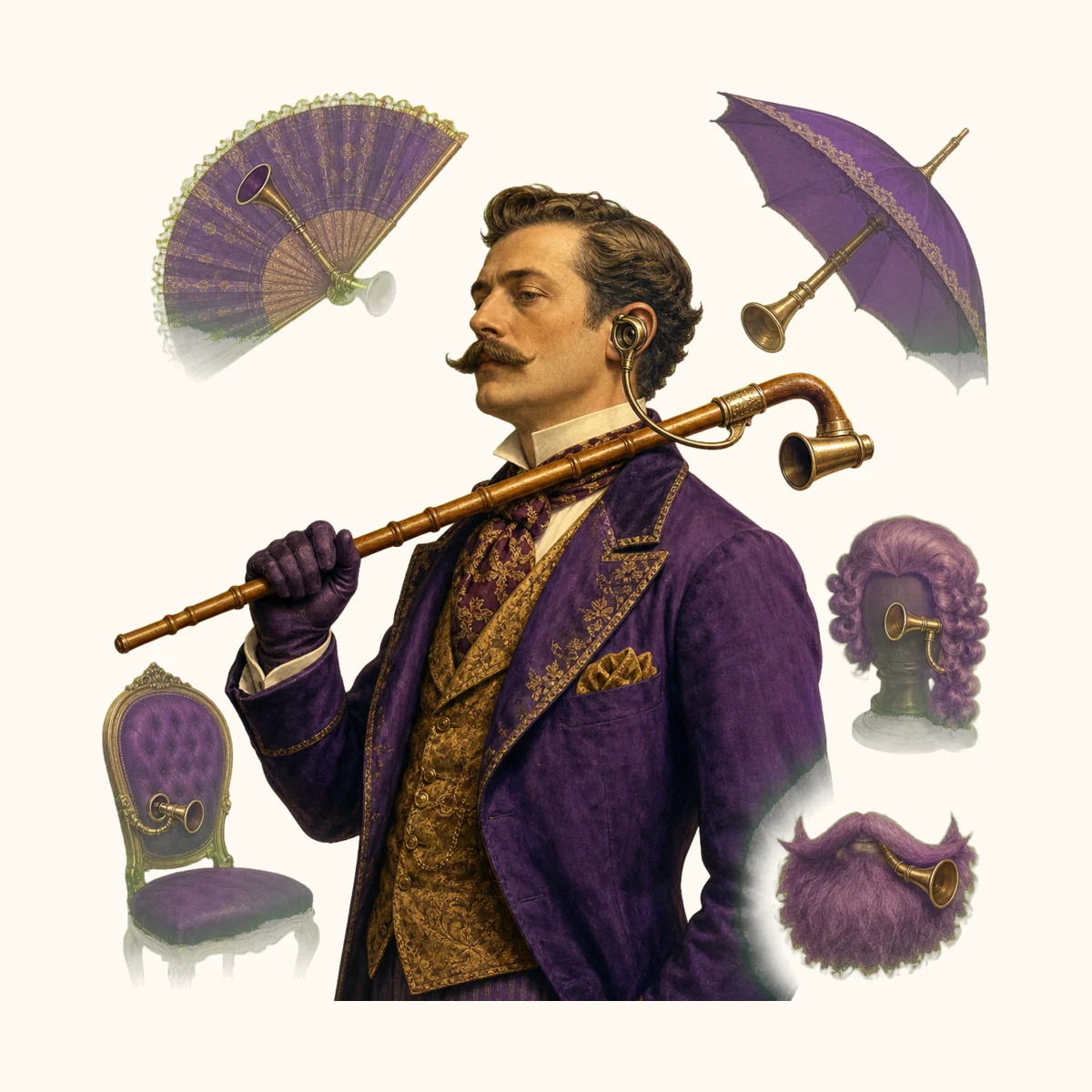
A Victorian bamboo cane hid a brass hearing trumpet in its handle and could rest on the user's shoulder with an earpiece positioned in the ear.
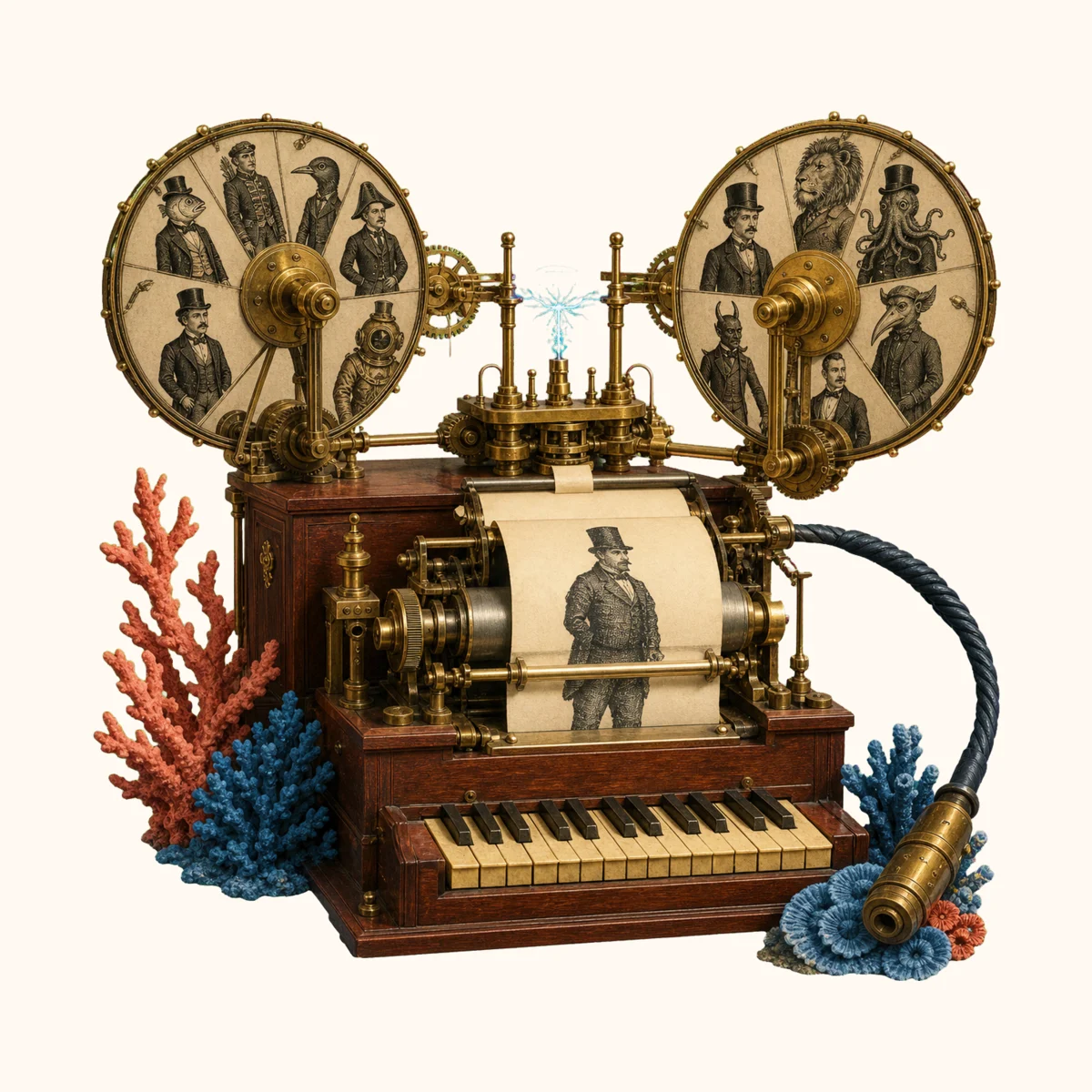
David Hughes's printing telegraph used piano-like keys and synchronized clockwork so one timed pulse selected the correct character at the far end.
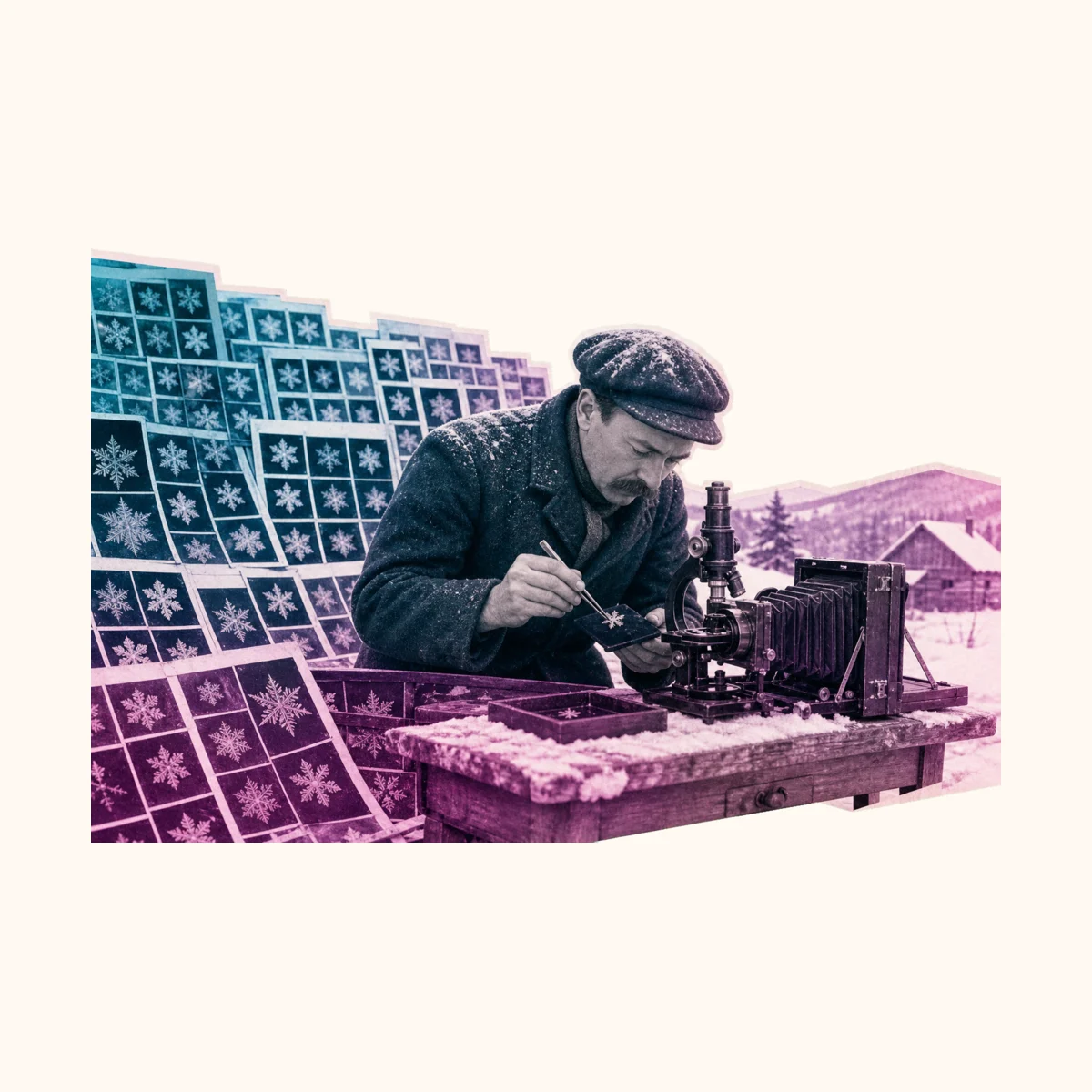
Wilson Bentley caught snow crystals and refined microphotography techniques that preserved their structures before they melted.
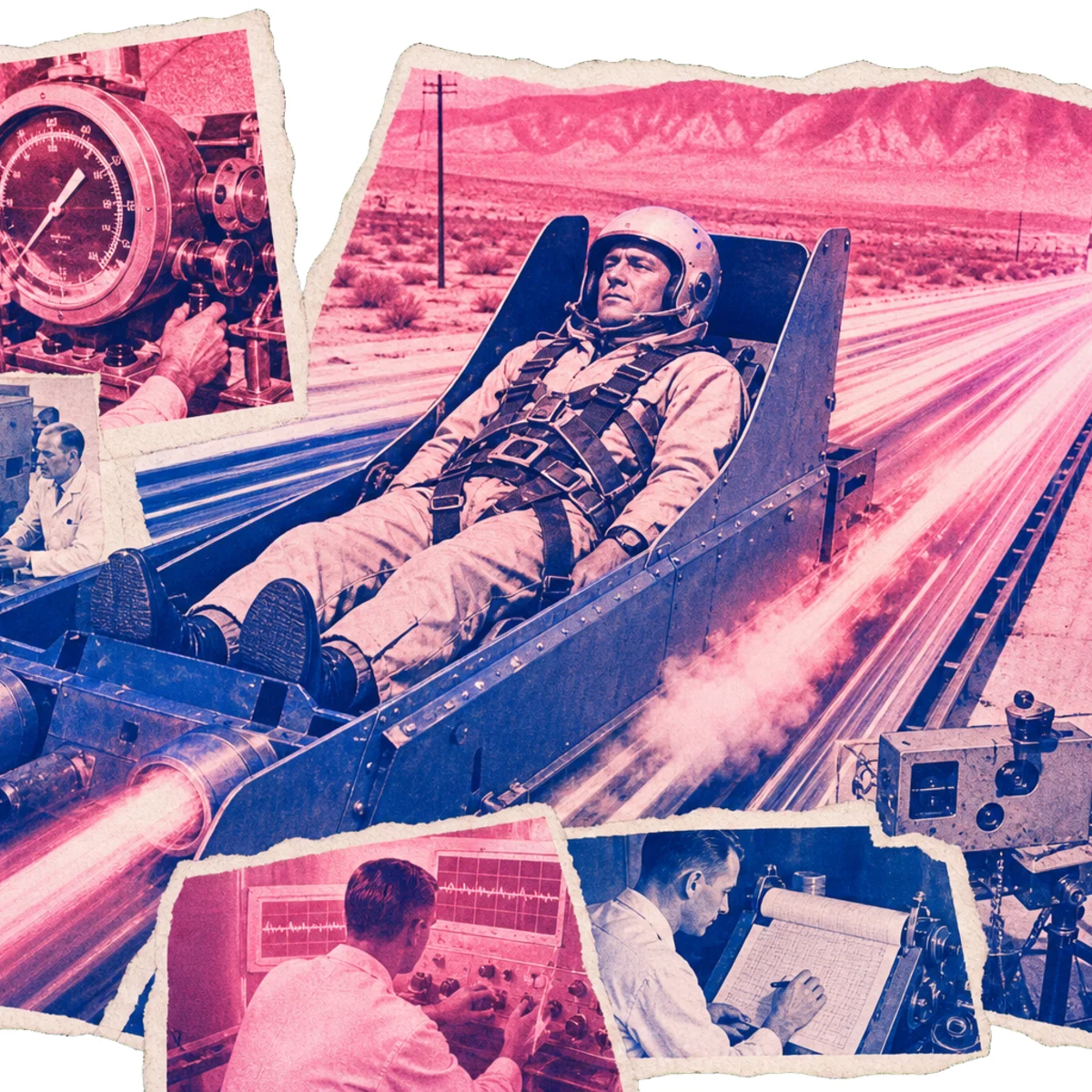
Air Force physician John Stapp rode rocket sleds to learn how abrupt acceleration and deceleration affected the human body and pilot survival.
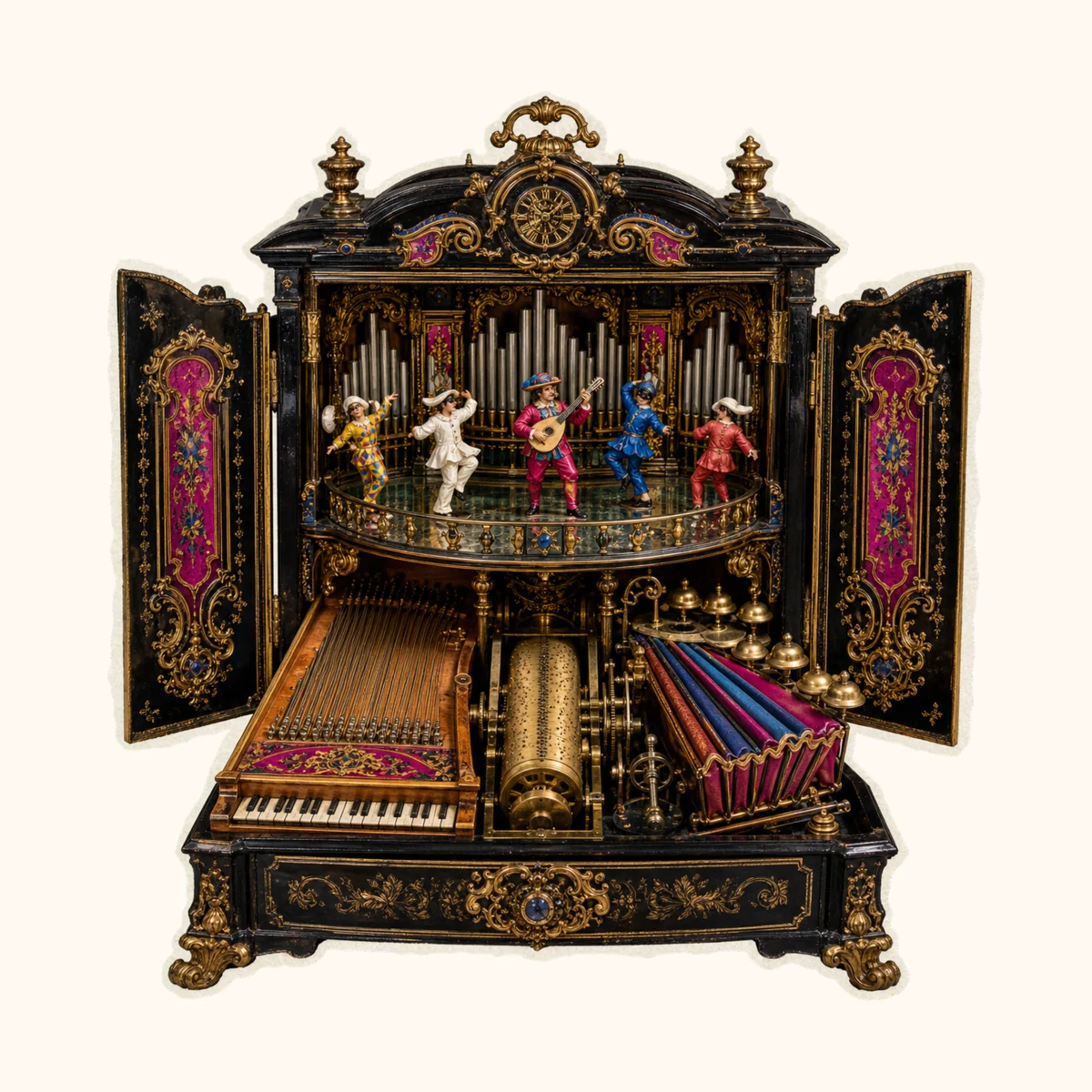
A circa-1625 musical clock stored three airs on a pinned cylinder and animated a tiny commedia dell'arte ensemble when it sounded.
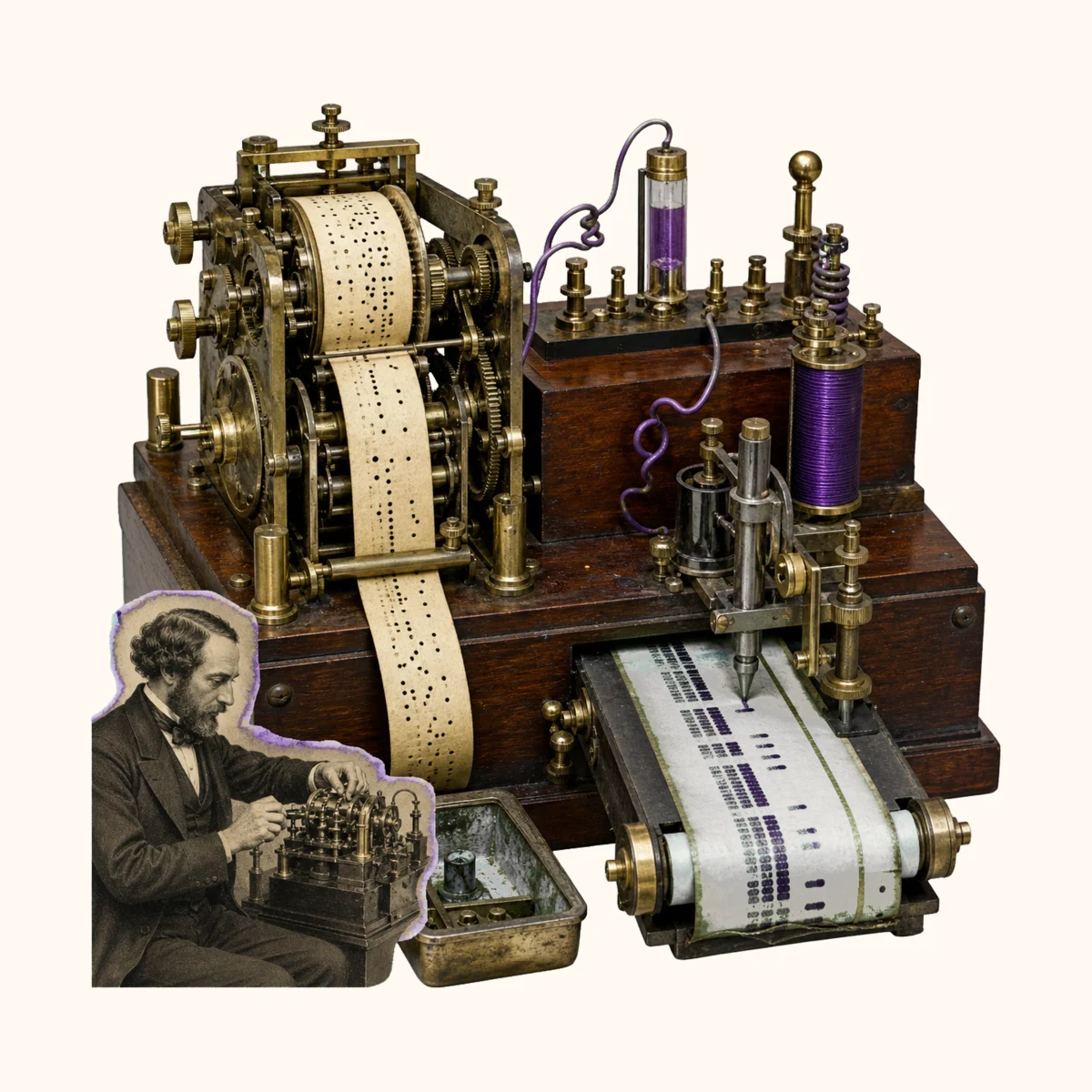
Alexander Bain's chemical telegraph turned pulses into marks on a damp, treated strip instead of moving a needle.
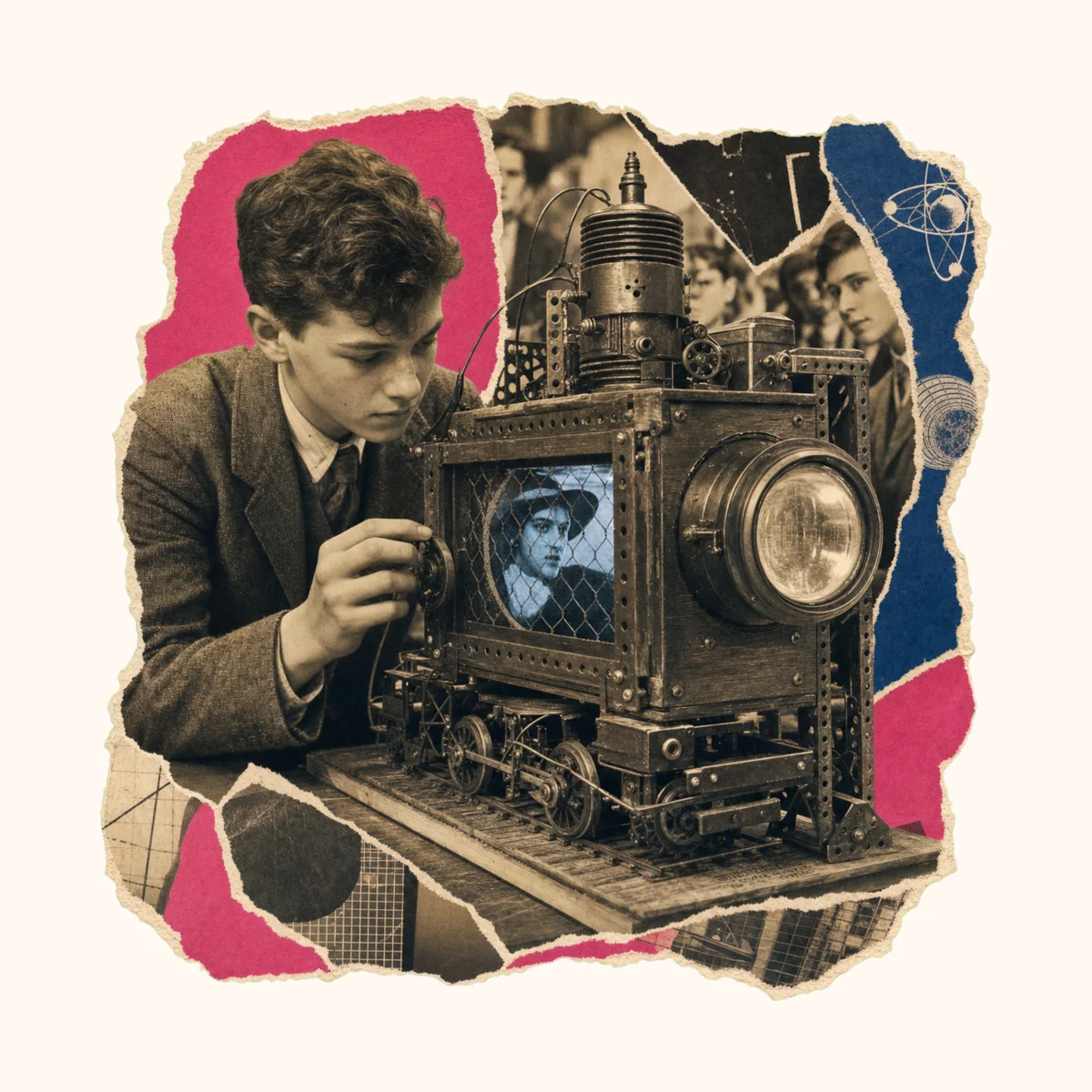
Norman Stokes assembled a working mechanical Televisor from salvaged parts and exhibited it in London in 1931.
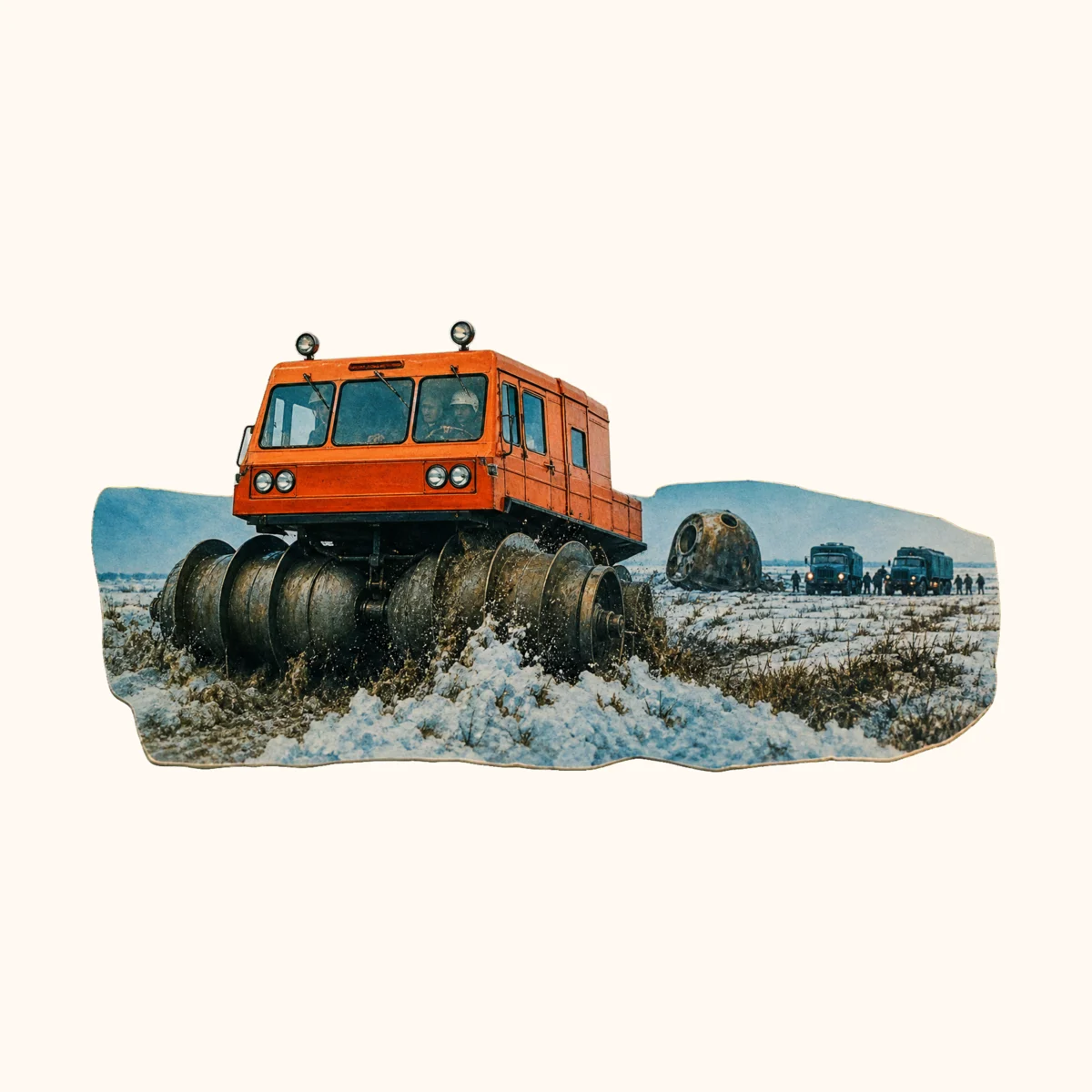
The ZIL-29061 used two rotating screw pontoons to cross snow, mud, and water while supporting cosmonaut recovery operations.
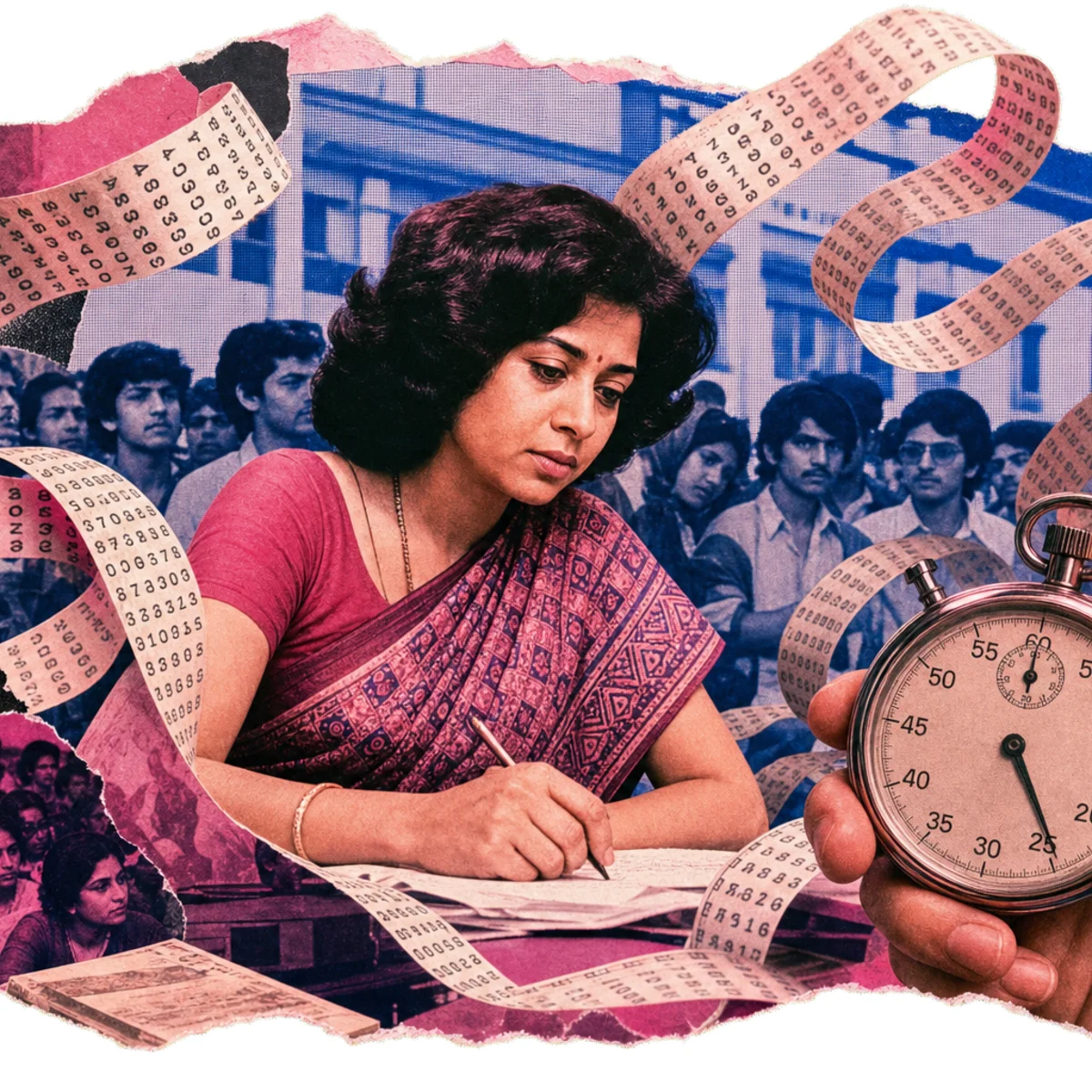
Shakuntala Devi became known for performing large mental calculations publicly and under controlled demonstrations.