


Ticker


All posts in "Weird Stories"

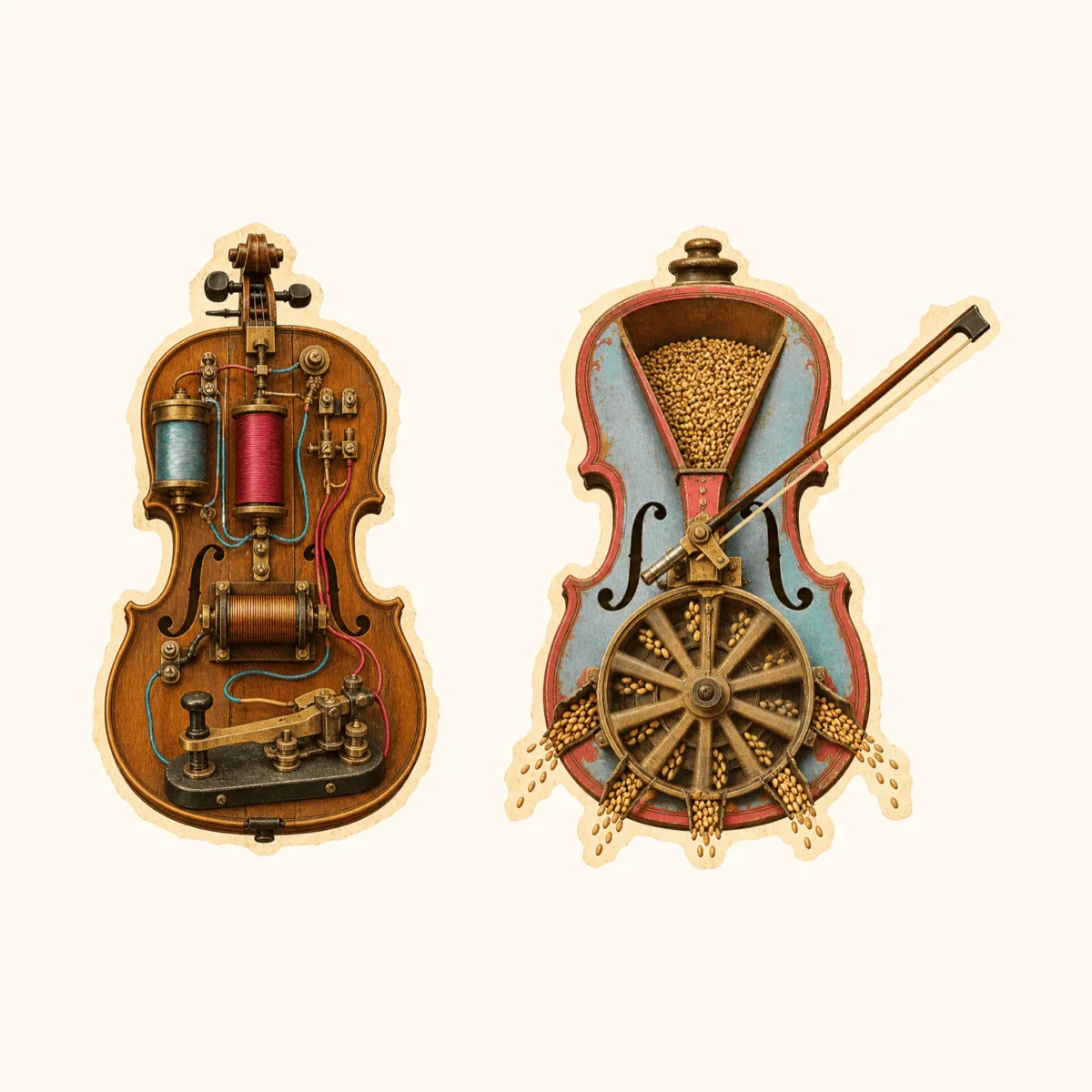
Smithsonian collections include a violin used as a telegraph resonator and another violin body converted into a seed-spreading machine.

During World War II, service members could record personal messages onto mailable phonograph albums, address the discs, and send their voices through the post.
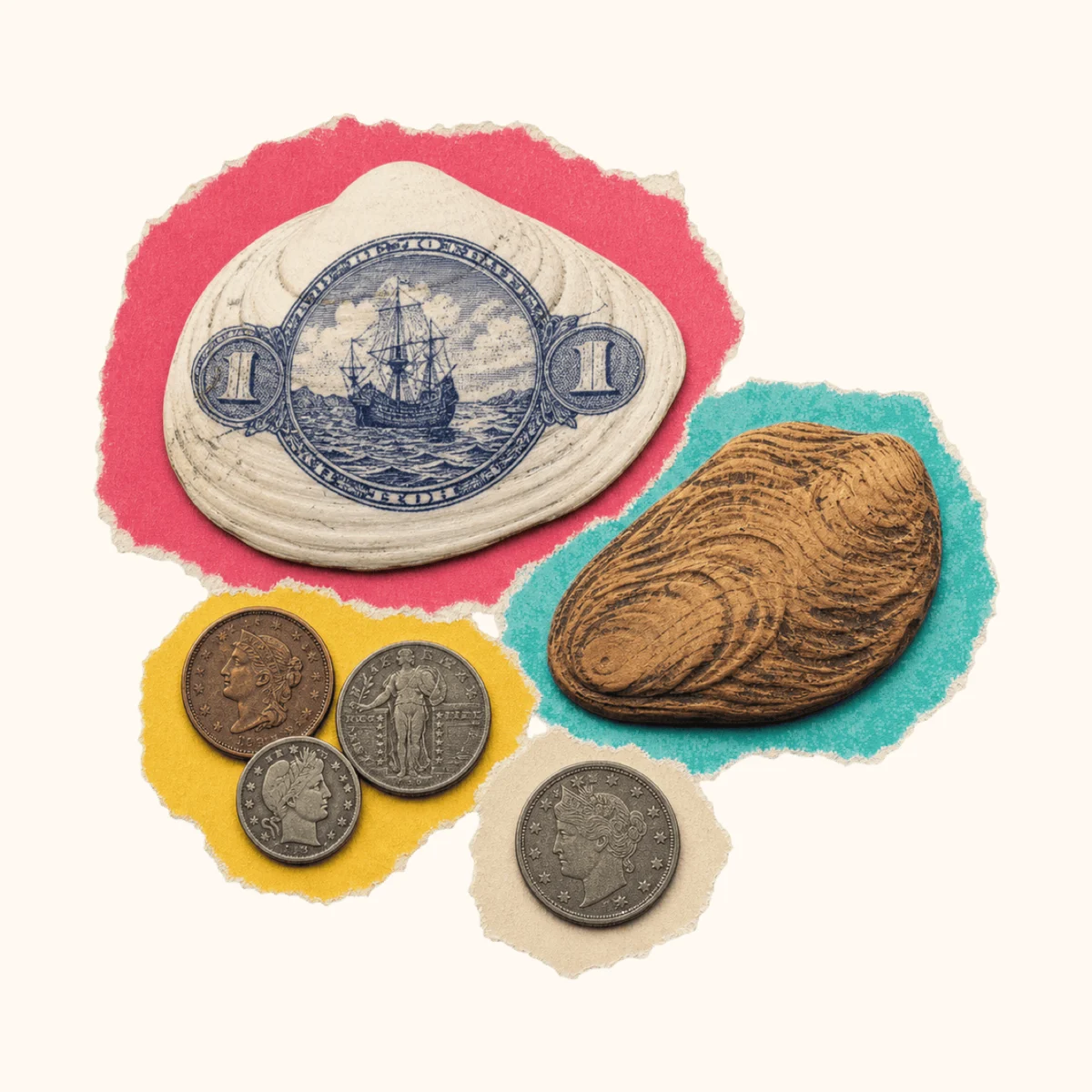
When banks failed during the Great Depression, communities created local currencies on materials including clamshells, oyster-shaped wood, and thin wooden pieces.

Library of Congress technicians examining battered donated nitrate reels identified Gugusse and the Automaton, a long-lost nineteenth-century Georges Méliès film about a magician battling…
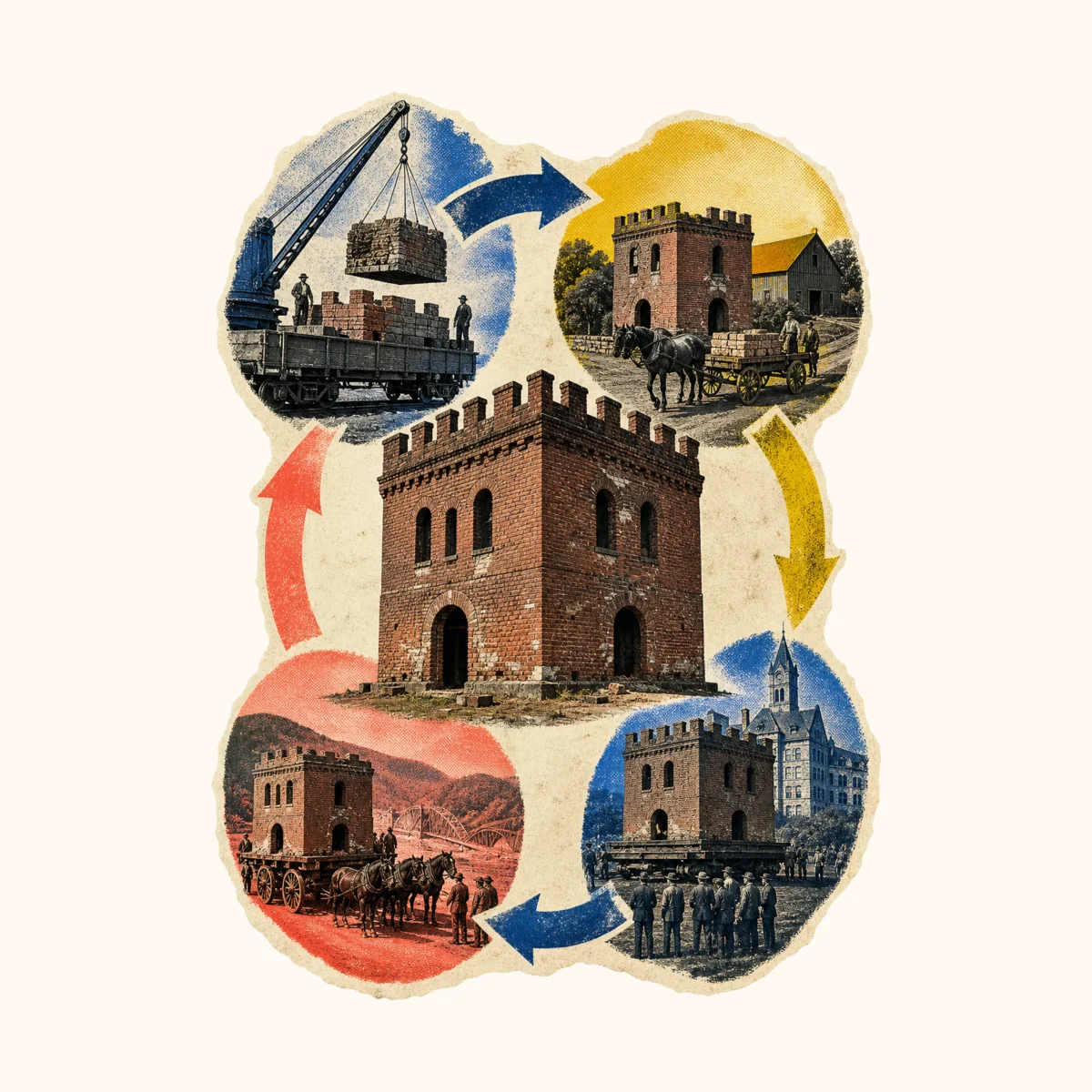
The Harpers Ferry engine house where John Brown's raid ended was dismantled for the 1893 Chicago world's fair and moved repeatedly before returning near its original site.
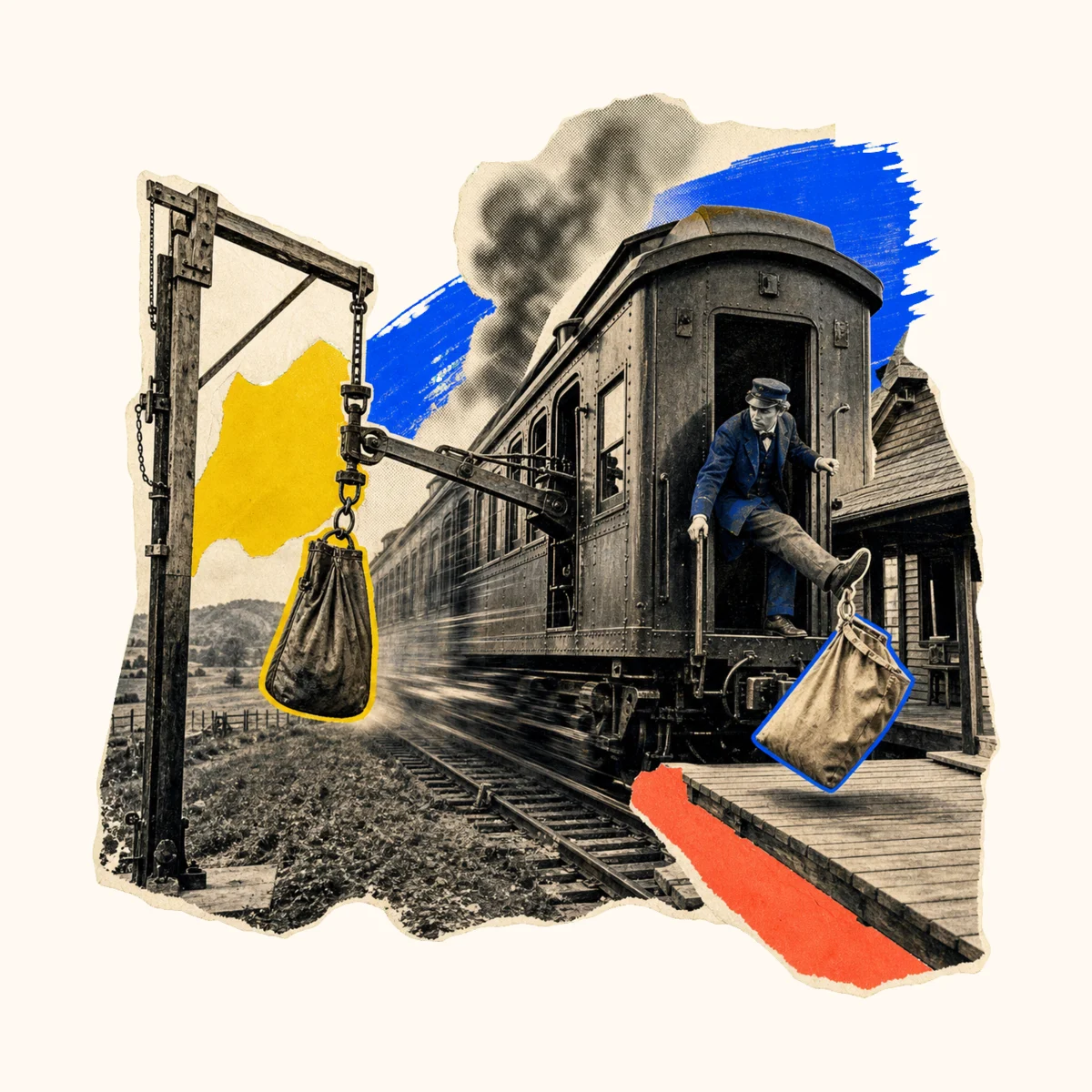
Railway Mail Service trains used catcher arms to snatch waiting mail pouches from trackside cranes at speed while clerks kicked the town's incoming bag off the moving car.
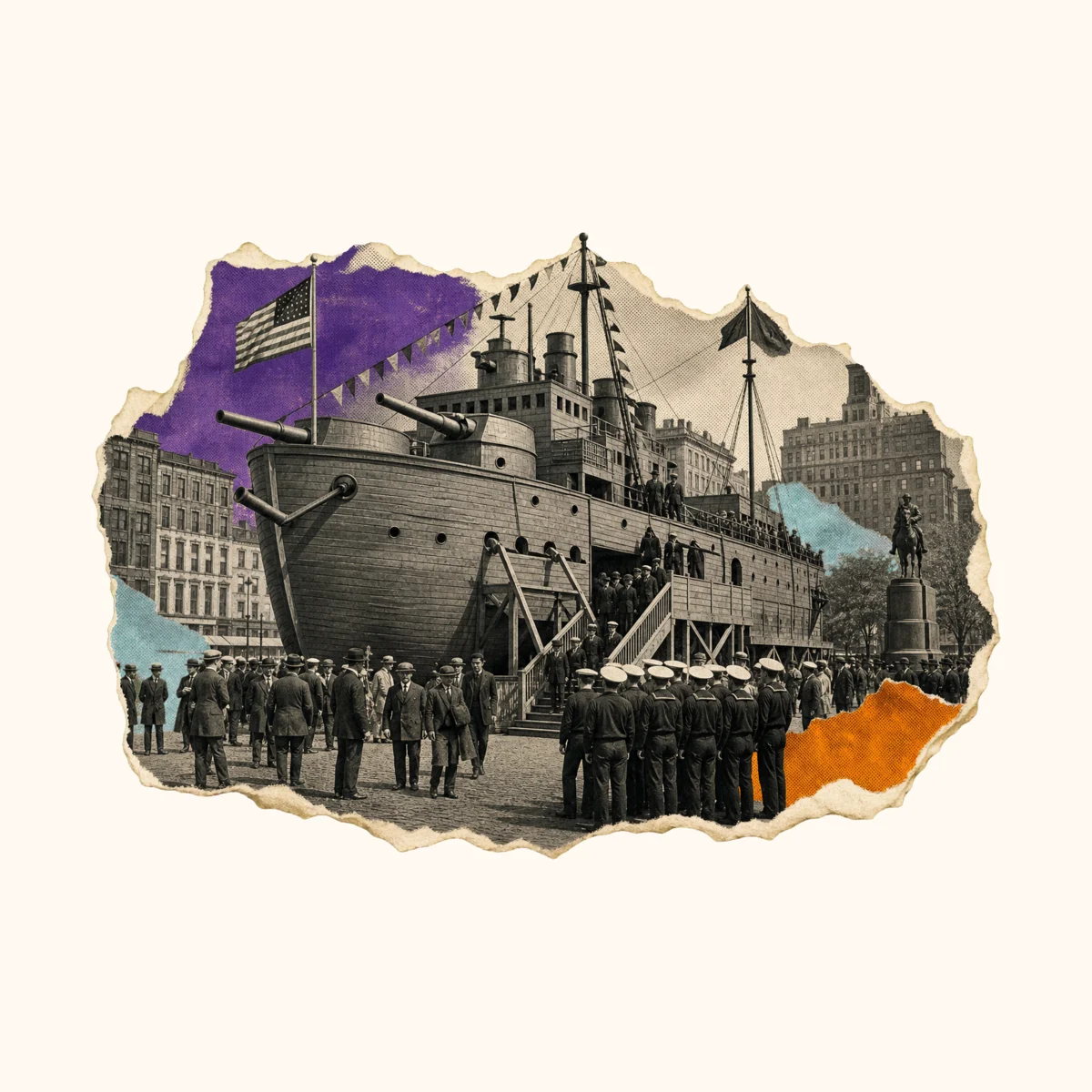
In 1917, New York's Union Square held USS Recruit, a full-scale wooden land battleship used as a Navy recruiting station during World War I.

After tripping over an unusual stone in 1879, rural postman Ferdinand Cheval spent 33 years collecting stones on his rounds and building the Palais Idéal in his garden.
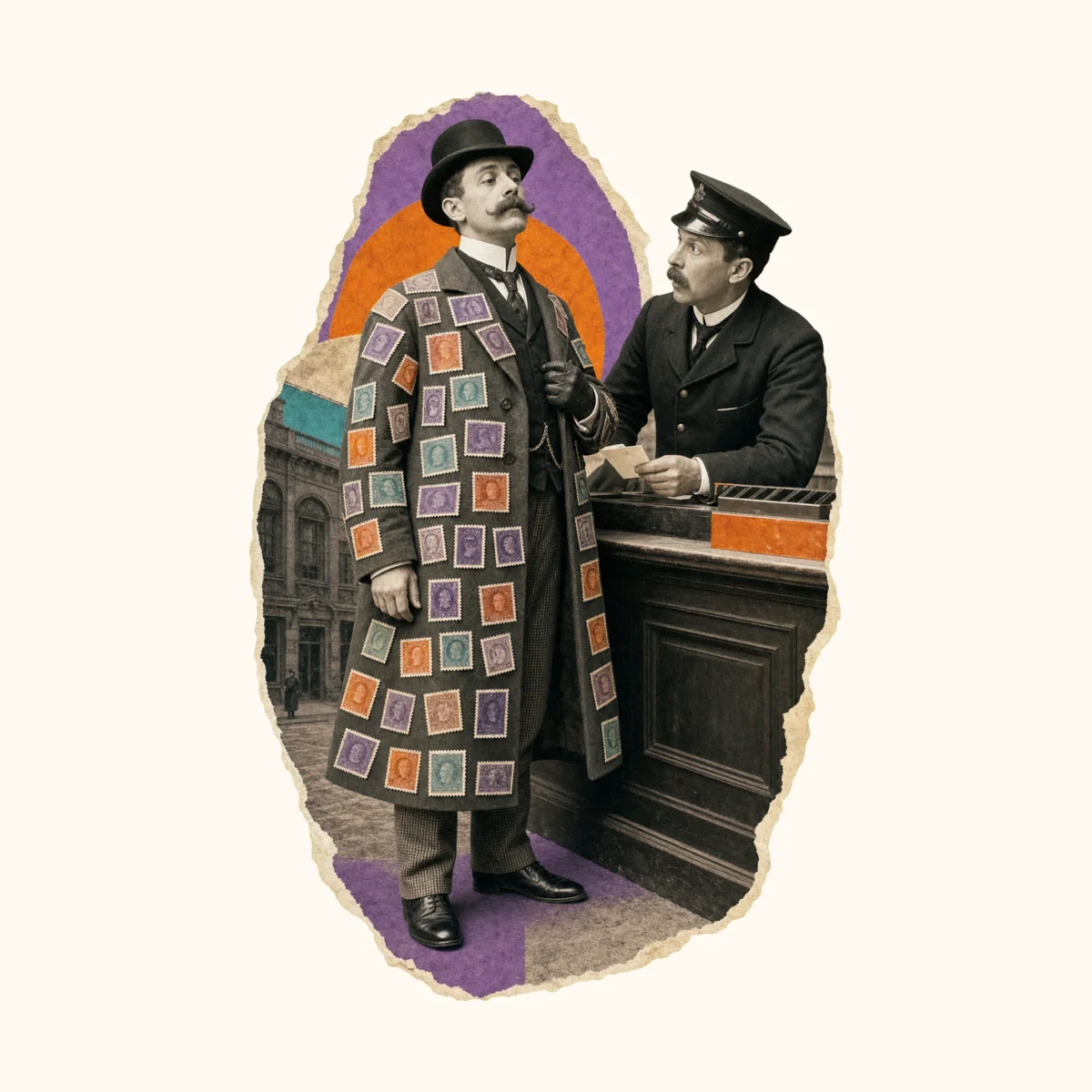
Reginald Bray tested British postal regulations by sending unusual objects through the mail—including, with the help of a friend, himself as a human letter.
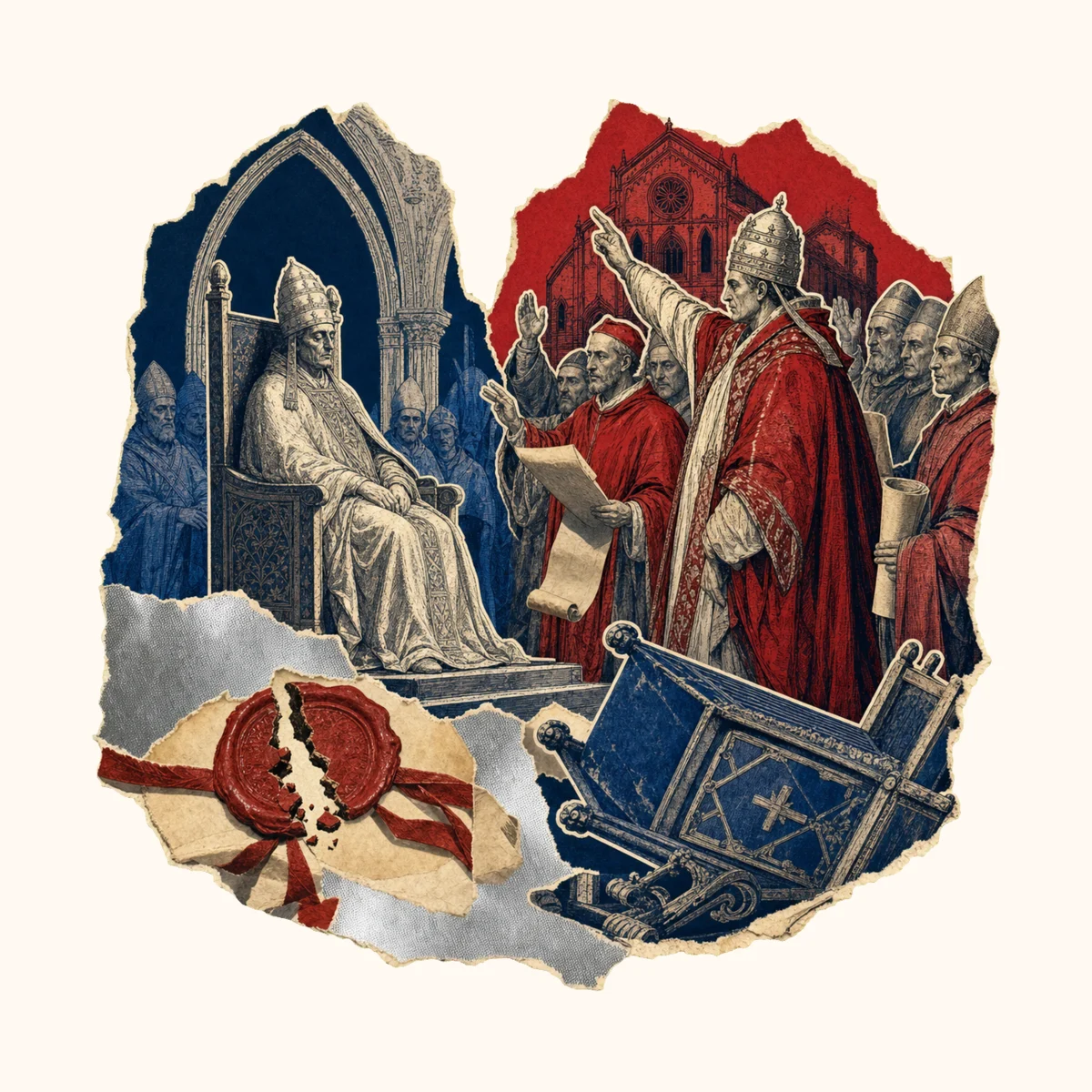
In 897, Pope Stephen VI had the body of his predecessor Formosus exhumed, dressed, and seated for a proceeding remembered as the Cadaver Synod.