


Ticker


Weird Please Editorial

 171
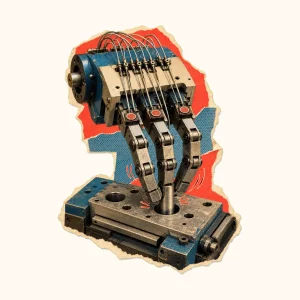
The 1980s Salisbury hand used three three-jointed fingers, twelve tension cables, and force sensors to adjust a grasp while inserting objects.
 172
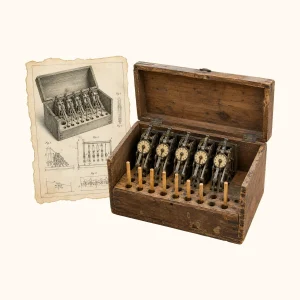
Dorr Felt's prototype Comptometer used a scarred wooden pasta-shipping box, wooden skewers for keys, and salvaged mechanisms.
 173
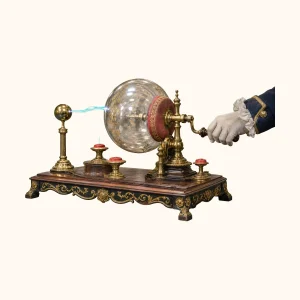
Around 1762, George Adams built King George III a hand-cranked glass-globe machine that accumulated static charge for sparks and experiments.
 174
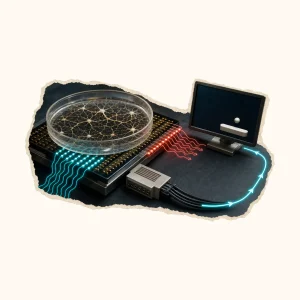
A cultured neural system received feedback from a simplified Pong environment and changed its activity during the experiment.
 175
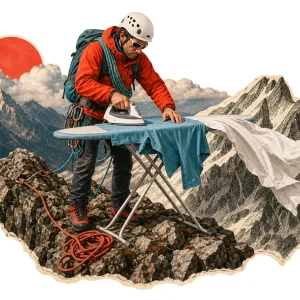
Extreme ironing combines pressing clothes with deliberately unsuitable outdoor settings.
 176
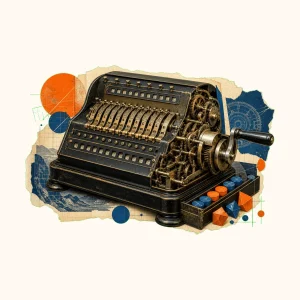
Otto Steiger's 1890s calculating machine could multiply by a single digit directly with one turn of its crank.
 177
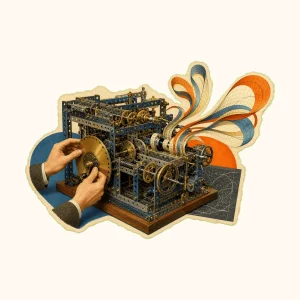
Arthur Porter built a working differential analyser from Meccano construction parts while waiting for a full-size machine.
 178
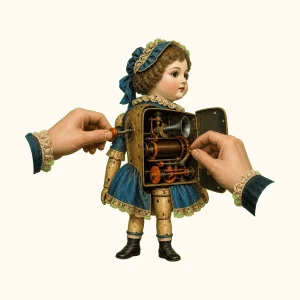
Edison's briefly sold 1890 talking doll carried a tiny hand-cranked phonograph and a wax recording of a nursery rhyme inside its metal torso.
 179
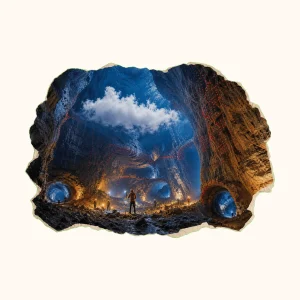
Very large cave chambers can sustain localized fog and cloud-like formations when moisture and temperature conditions align.
 180
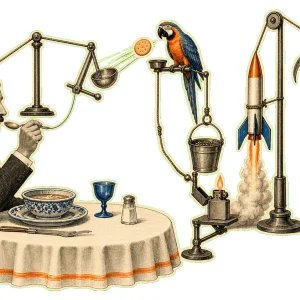
Rube Goldberg's Self-Operating Napkin made a simple gesture depend on an escalating chain of absurd actions.




The Weird Please editorial desk collects true stories about curious inventions, peculiar history, strange science, and the gloriously unexpected.