

Ticker


Weird Please Editorial

 161
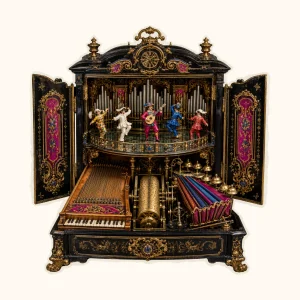
A circa-1625 musical clock stored three airs on a pinned cylinder and animated a tiny commedia dell'arte ensemble when it sounded.
 162
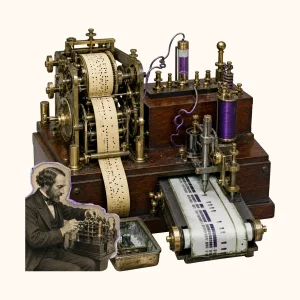
Alexander Bain's chemical telegraph turned pulses into marks on a damp, treated strip instead of moving a needle.
 163
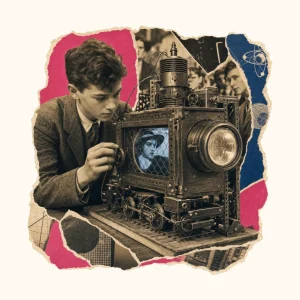
Norman Stokes assembled a working mechanical Televisor from salvaged parts and exhibited it in London in 1931.
 164
The ZIL-29061 used two rotating screw pontoons to cross snow, mud, and water while supporting cosmonaut recovery operations.
 165
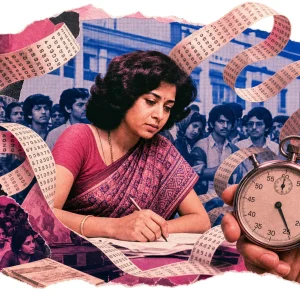
Shakuntala Devi became known for performing large mental calculations publicly and under controlled demonstrations.
 166
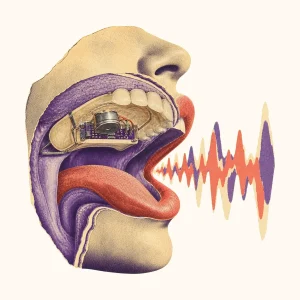
A dental surgeon designed a false upper palate with a transistor buzzer so lip and mouth movements could shape its vibration into intelligible words.
 167
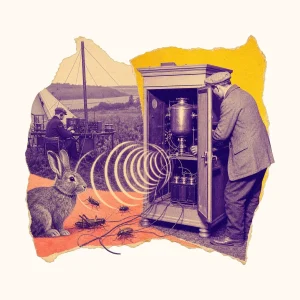
The extremely heavy Marconi-Sykes Magnetophone sat inside a cupboard-like stand and was sensitive enough to catch insects moving near its fragile coil.
 168
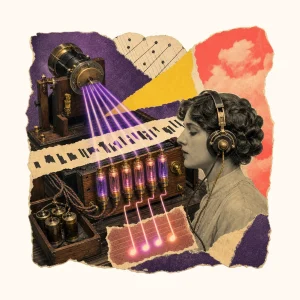
Fournier d'Albe's Optophone scanned ink and translated each letter shape into a changing pattern of musical tones for blind readers.
 169
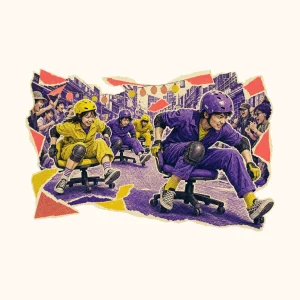
Japan's ISU-1 Grand Prix sends teams around street courses on wheeled office chairs propelled by their feet.
 170
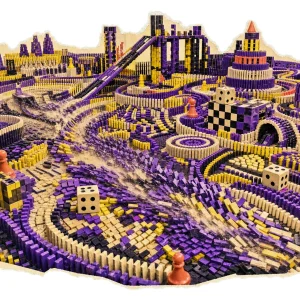
A large collaborative domino installation turned scientific ideas into a chain reaction designed to disappear as it ran.




The Weird Please editorial desk collects true stories about curious inventions, peculiar history, strange science, and the gloriously unexpected.