

Ticker


Weird Please Editorial

 151
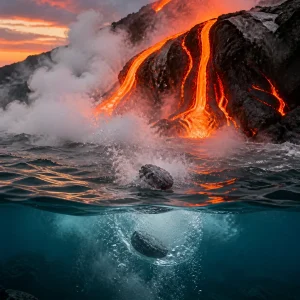
At the edge of the sea, a piece of dense new rock can borrow buoyancy from trapped vapor.
 152
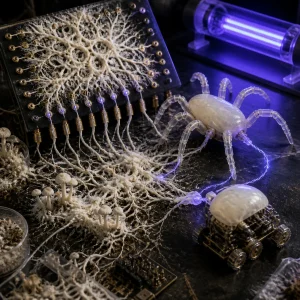
Two robots moved to electrical rhythms produced by living fungal threads.
 153
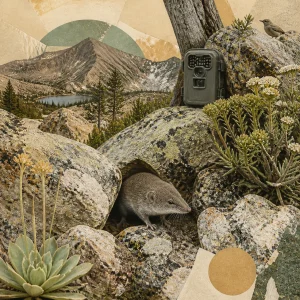
A California mammal known to science since 1902 finally sat for a living portrait.
 154
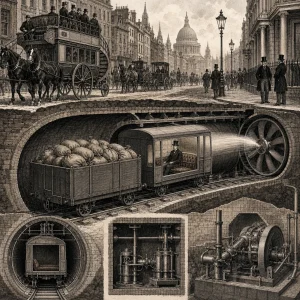
Victorian London once put the post on tiny rails and let air pressure do the pulling.
 155
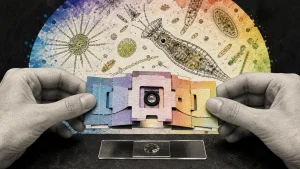
A laboratory microscope became a pocket-size optical instrument by trading a metal frame for carefully engineered folds.
 156
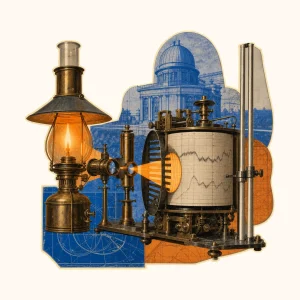
A gas lamp, mercury barometer, clockwork drum, and light-blocking shutter created a continuous photographic trace of changing atmospheric pressure.
 157
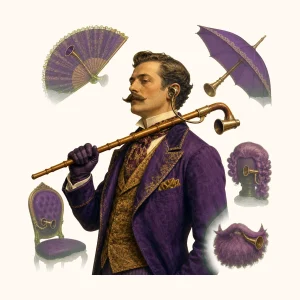
A Victorian bamboo cane hid a brass hearing trumpet in its handle and could rest on the user's shoulder with an earpiece positioned in the ear.
 158
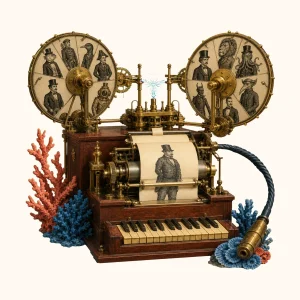
David Hughes's printing telegraph used piano-like keys and synchronized clockwork so one timed pulse selected the correct character at the far end.
 159
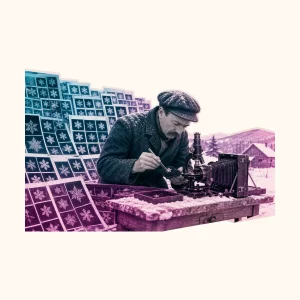
Wilson Bentley caught snow crystals and refined microphotography techniques that preserved their structures before they melted.
 160
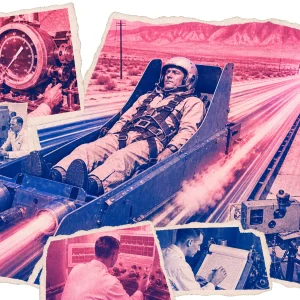
Air Force physician John Stapp rode rocket sleds to learn how abrupt acceleration and deceleration affected the human body and pilot survival.




The Weird Please editorial desk collects true stories about curious inventions, peculiar history, strange science, and the gloriously unexpected.