




 Share








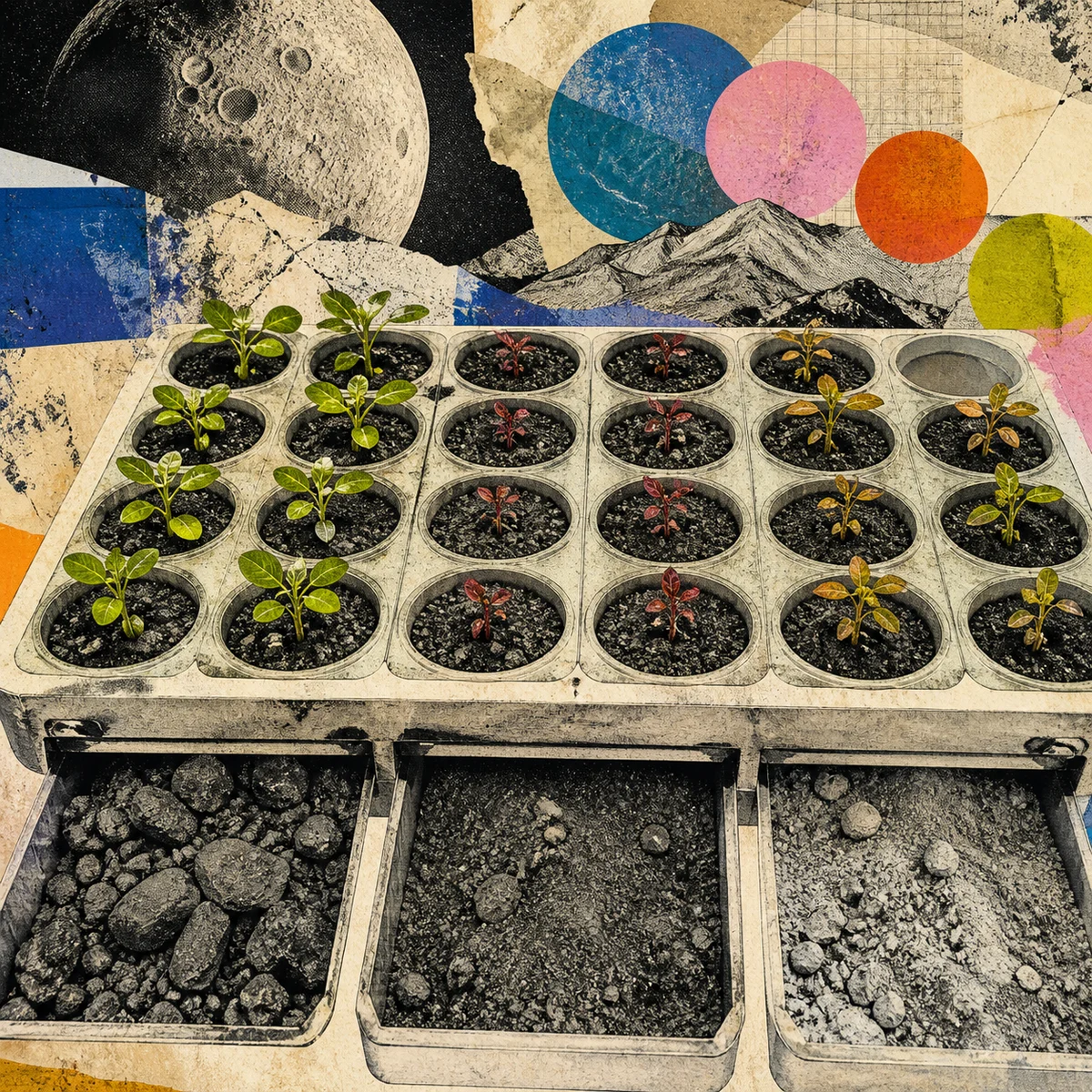
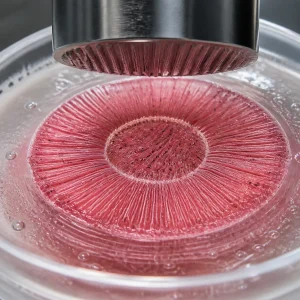
University of Florida researchers received just 12 grams of regolith collected during Apollo 11, 12, and 17. They divided the irreplaceable grains among thimble-size wells, placing about a gram in each, then added nutrient solution and seeds of Arabidopsis thaliana. Comparison plants grew in terrestrial lunar simulant, simulated Martian material, and soils from extreme environments on Earth.
Nearly all the seeds in lunar material germinated. That answered a basic question that earlier Apollo-era tests, which only dusted plants with regolith, could not settle. Growth soon revealed the cost. Lunar-grown plants were often smaller, slower, and more uneven than controls. Gene-expression patterns activated responses associated with salt, metals, and oxidative stress; seedlings in more “mature” regolith, exposed longer to solar wind and micrometeorites, tended to show stronger stress.
The experiment did not plant a self-sufficient Moon garden. Researchers supplied water, nutrients, light, and Earth atmosphere, and Arabidopsis is a laboratory model rather than a crop harvest. Lunar regolith is sharp, chemically unfamiliar mineral debris—not fertile soil. Still, a terrestrial seed could read enough of that alien substrate to sprout. The next work is learning how to reduce the stress before anyone asks a useful food plant to do the same.
Sources