Share
Share







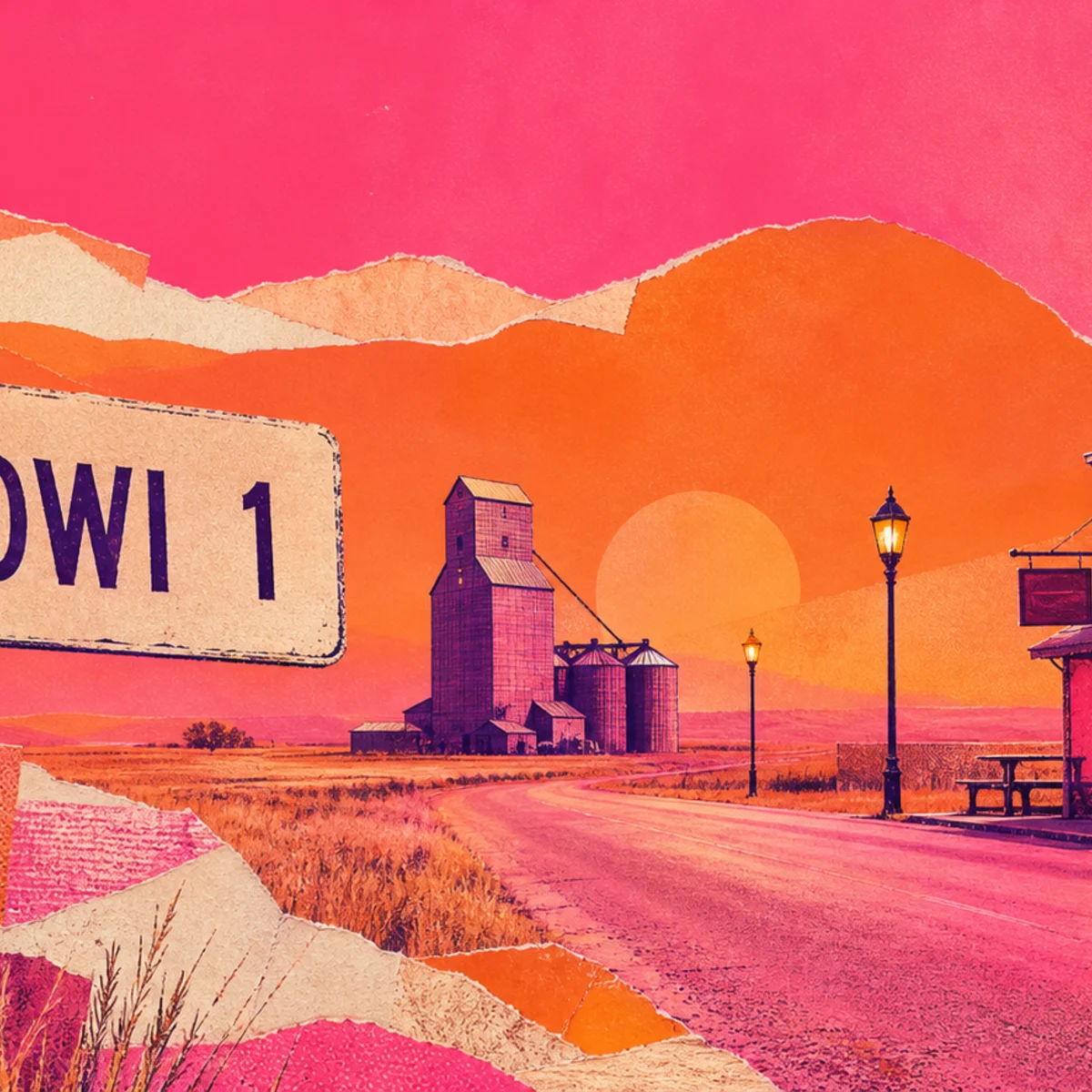
The road sign at the edge of Monowi, Nebraska, does not need much space for its population count. It says MONOWI 1. That one is Elsie Eiler: resident, mayor, clerk, treasurer, tavern owner, cook, bartender, and the person who completes the paperwork required to keep an incorporated village running. Monowi is not a ghost town. It has a government, a business, streetlights, a library, and exactly one person who lives there.
Monowi sits in Boyd County, near Nebraska's border with South Dakota. The village's population reached 123 in the 1930s, when grain elevators, a school, a post office, a church, and a jail gave it the recognizable parts of a Great Plains community. The population then thinned over decades. Farming changed. Railroad traffic faded. Young residents went elsewhere for work. Census records counted 18 people in 1980, eight in 1990, and two in 2000: Elsie and her husband, Rudy. The shrinking happened one departure at a time, until a village became a household and then a single name.
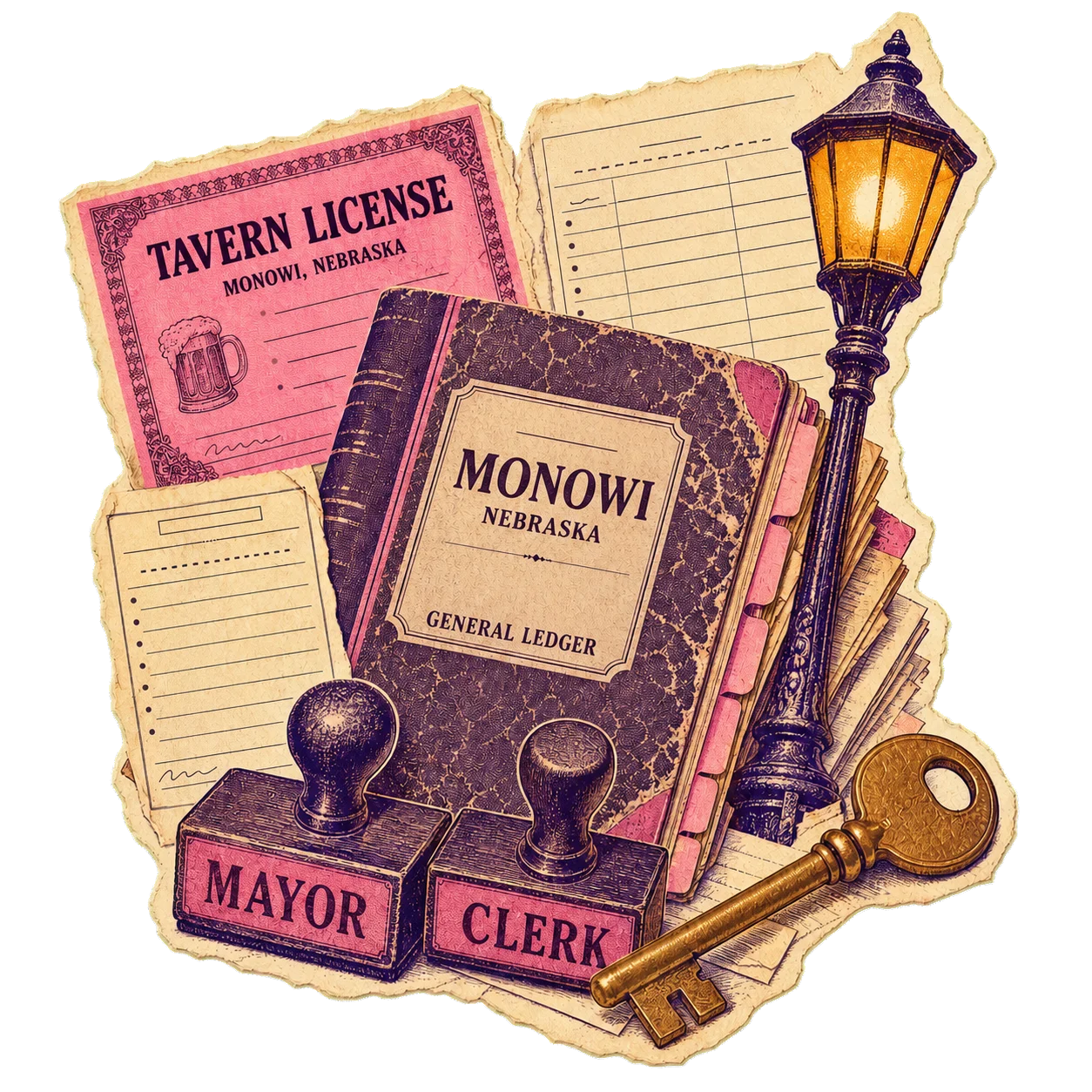
The Eilers had bought the Monowi Tavern in 1971. Rudy died in 2004, halving the population and leaving Elsie as Monowi's sole resident. The phrase sounds lonely, but it misses the busiest part of the story. A town of one still has forms. Elsie files a municipal budget, handles taxes, applies for state money for road work and utilities, and signs the licenses needed to operate her tavern. She is the official on both sides of several transactions. Bureaucracy, apparently, does not offer a population discount.
The tavern makes Monowi feel much larger than its census line. Farmers, truckers, construction crews, firefighters, police officers, hunters, curious travelers, and longtime regulars come through the door. Elsie has described those regulars as friends. Before the pandemic, she worked Tuesday through Sunday, opening in the morning and staying until the final customer left. Her menu favored the durable pleasures: burgers, hot dogs, beer, and the kind of conversation that begins because everyone is sitting in the same small room.
That room is filled with the physical memory of the place. Ceramic beer mugs line the bar. Nebraska football memorabilia shares the walls with family photographs and pictures of local fields. Outside, empty structures hold the outline of the earlier town. The old church stands across from the tavern. The former jail remains, rust meeting rust. Monowi has not erased its missing population; it keeps the evidence close.

A short walk away is Rudy's Library, a modest building containing roughly 5,000 books from his collection. Visitors can borrow them on the honor system. The library creates one of Monowi's better statistical jokes: thousands of books for every resident. More importantly, it keeps Rudy's appetite for reading in public circulation. A town can lose almost everyone and still lend out a biography.
Visitors have made their own ritual around Monowi. They photograph the population sign, write in the tavern guestbook, and arrive with the same practical question: what is it like to be an entire town? Elsie's answer is embedded in the work. There are customers to feed, deliveries to receive, licenses to renew, books to balance, and stories from strangers to hear. The remarkable life is constructed from ordinary tasks repeated faithfully.
Elsie's municipal duties are real, but they are not the center of her day. The tavern is. It is Monowi's only business and its meeting place, drawing a community that lives beyond the village boundary. That distinction explains how someone can live alone without living a solitary life. Customers arrive from neighboring towns, from other states, and sometimes from other countries. The guestbook has recorded visitors from all 50 states and dozens of nations. Some come for the famous sign; many stay for a burger and Elsie's questions about their own lives.

Her arrangement also turns familiar civic language inside out. The mayor does not commute. The resident does not complain to city hall; she is city hall. The clerk, taxpayer, license applicant, and tavern proprietor all answer to the same name. Yet Monowi is more than a novelty about paperwork signed twice. Its legal survival preserves access to funding, keeps its few streetlights illuminated, and maintains a public identity for a place that would otherwise be described only in the past tense.
It is tempting to frame Elsie as a lone holdout guarding an empty town. The better picture is a person operating a very small hub. Monowi's official population is one, but its practical population changes whenever a pickup stops, a traveler pushes open the tavern door, or someone borrows a book from Rudy's shelves. The village is proof that census totals and community are related, but they are not the same measurement.
Monowi compresses an entire municipality into one resident, then expands again around a barstool. Its population sign is accurate. It is also incomplete.