Share
Share







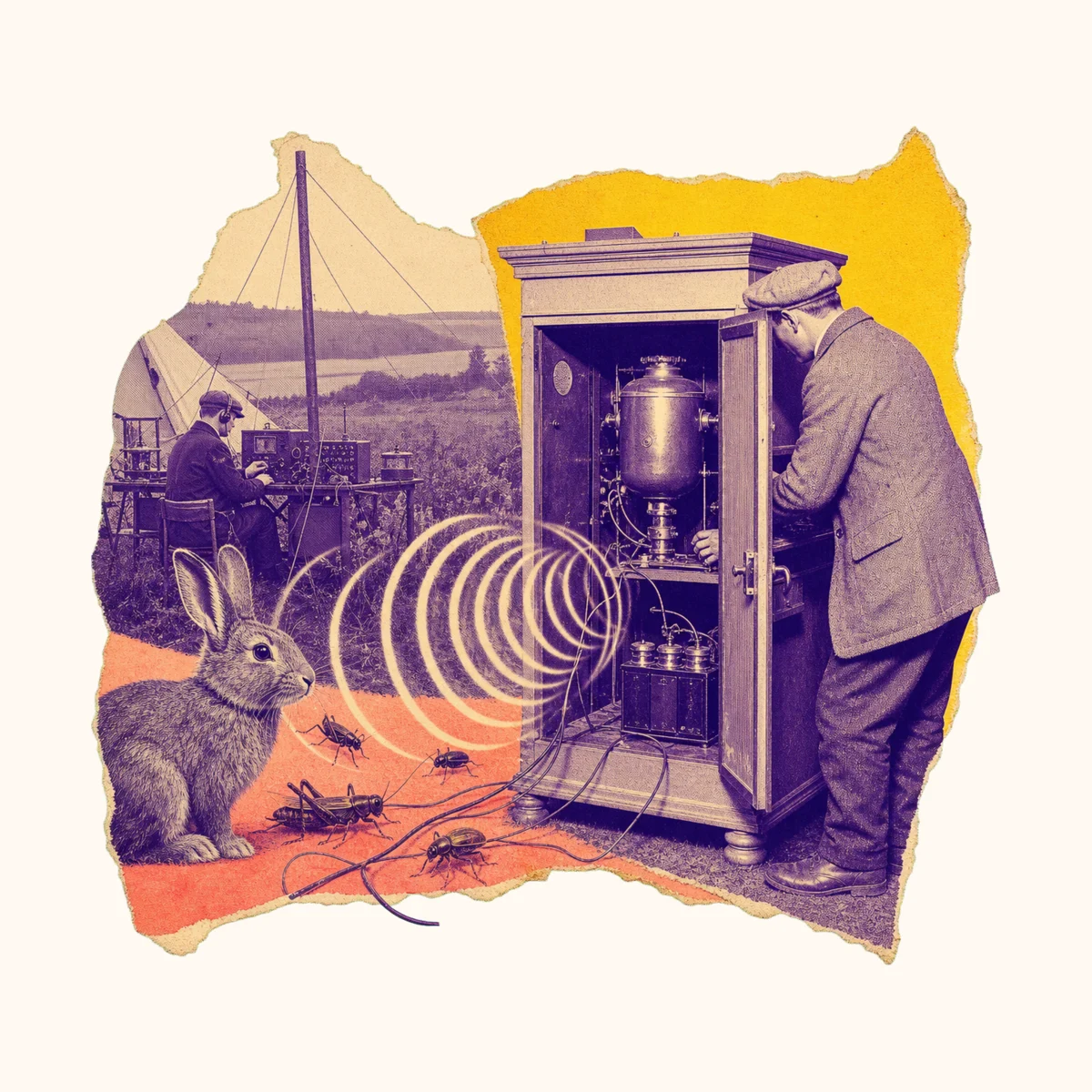
The BBC’s Marconi-Sykes Magnetophone combined a remarkably delicate ear with a body built like industrial cookware. Its magnetized cylindrical iron pot made the 1923 microphone extremely heavy. Inside, a fragile aluminium moving coil rested on paper supported by cotton-wool pads covered with a thin layer of Vaseline.
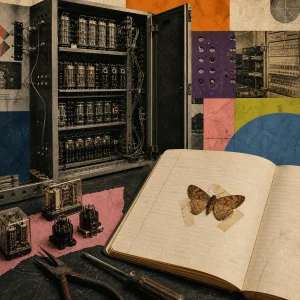
The apparatus sat in a cupboard-like stand nicknamed the “meat safe.” The enclosure looked robust, but the microphone was sensitive enough to turn small nearby movements into mysteries. Engineers tracing unexpected sounds found buzzing insects among the culprits; accounts also mention squirrels and rabbits nibbling at wires. Early high sensitivity meant hearing more of the world than the operators intended.
On May 19, 1924, BBC engineers carried the equipment into cellist Beatrice Harrison’s garden in Oxted for an outdoor broadcast involving her playing and nightingale song. Later analysis has raised questions about whether all the bird sound heard in surviving material was genuinely avian, so the safest marvel is the hardware itself rather than a perfect nature-recording claim.
Broadcasting’s new ear required an iron pot, paper, cotton wool, Vaseline, a cupboard, and careful handling. The “meat safe” protected a sensor so receptive that a fly could become unplanned programming.