




 Share







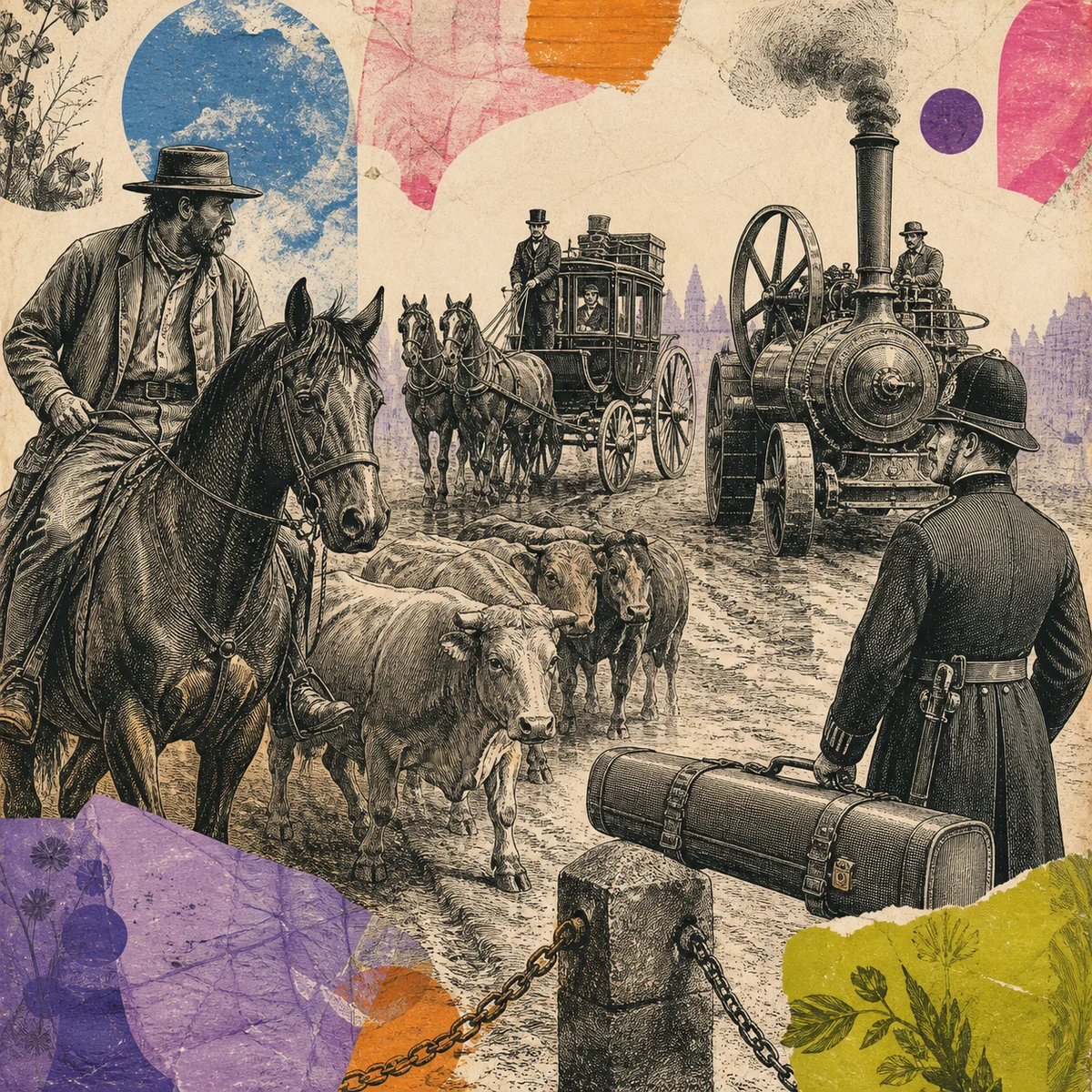
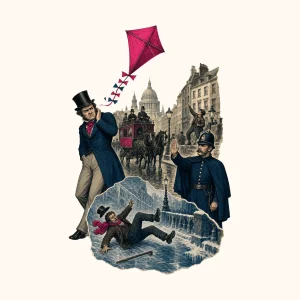
Section 12 of Britain’s Licensing Act 1872 reads like a catalog assembled at the exact moment animal power, carriages, machinery, and firearms shared public roads. It applies to a person found drunk in a highway or other public place while in charge of a carriage, horse, cattle, or steam engine, and also to someone found drunk while possessing a loaded firearm.
The cattle line is often detached and presented as a free-floating ban on drunken cow ownership. The actual wording is narrower and more coherent. It concerns intoxication while responsible for potentially dangerous transport, animals, machinery, or a loaded weapon in public. In that setting, a horse or cow could endanger other road users just as surely as an early engine could.
The statute remains available in the official legislation record, but the existence of old text does not by itself tell us how prosecutors or police use it now. Contemporary charging practice would require contemporary legal reporting. The reliable oddity is historical and textual: Parliament wrote one public-safety clause broad enough to follow a Victorian traveler from reins to boiler to firearm. The list sounds comic from a distance because the street it regulated has changed so completely around us today.
Sources