




 Share








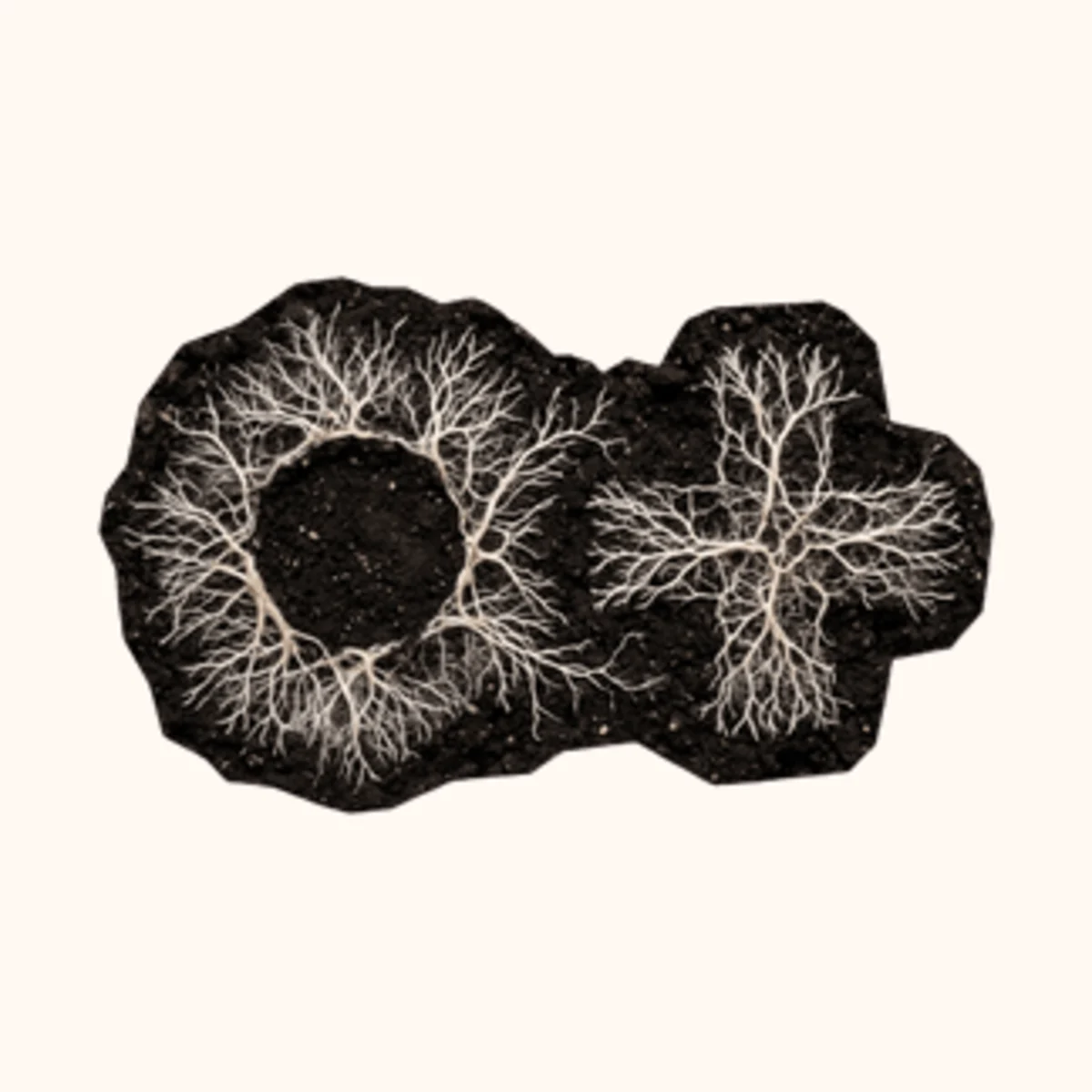
In September 2024, a team at Tohoku University in Japan grew a common wood-eating fungus on small wooden blocks, then arranged the blocks into two shapes on soil: a circle and a cross. Months later, the fungal networks hadn't just survived — they had preserved both patterns. The fungus grown in the circle kept the shape intact by steering completely clear of the center, as if it knew where the edges were supposed to be. The cross stayed a cross. The mycelium appears to coordinate growth across its entire network, "remembering" where its food was — despite having no brain, no neurons, and no nervous system of any kind. It raises an uncomfortable little question: if a fungus can remember and decide, what exactly is a brain for?
Sources