Share
Share







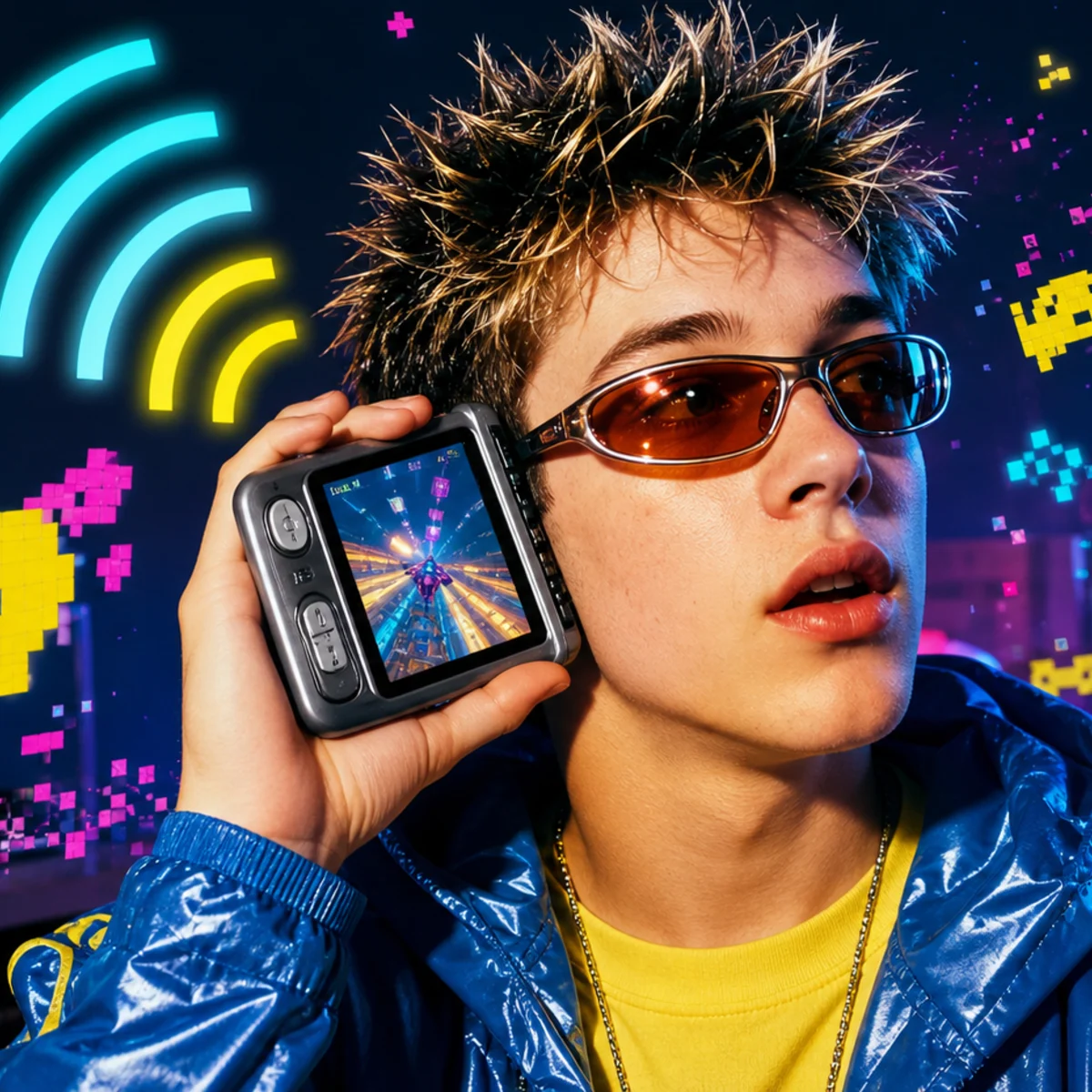
A normal phone call begins by putting a flat surface against the side of your head. The Nokia N-Gage asked for something stranger. Its speaker and microphone lived along the narrow edge of the device, so the user turned the whole machine sideways and pressed that edge toward the ear. Seen from across a room, the pose looked less like using a telephone than trying to listen to a taco.
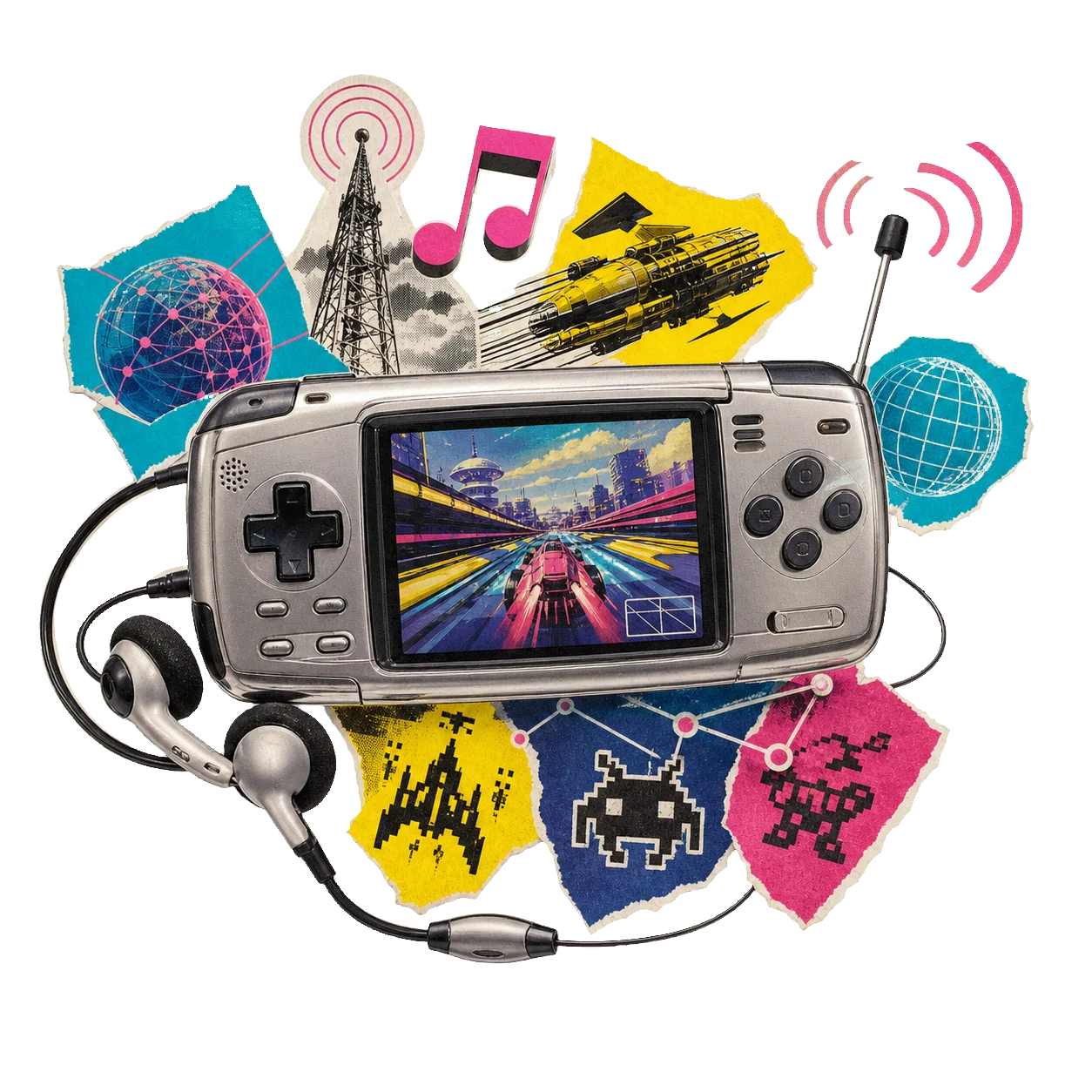
That awkward silhouette became the most durable image of Nokia's 2003 attempt to merge a mobile phone with a handheld game system. The N-Gage was not simply a phone with a few games installed. Nokia announced it in February as a mobile game deck: a dedicated convergence device meant to put calling, portable play and networked features into one pocket-sized object.
The idea made sense on paper. A phone already supplied communication and a network connection. A portable game system supplied a screen, controls and a reason to keep the device close. Nokia's launch material emphasized a color display, mobile gaming, music and radio functions, plus wireless play through Bluetooth and cellular networks. Instead of carrying two devices, the owner could carry one machine that belonged to both categories.
Then the object had to become a phone call.
The screen and controls occupied the broad face. The telephone hardware made the user present the thin side to the head. Researchers who later studied Nokia's design history described sidetalking as a deliberate choice rather than a technical necessity. It belonged to a larger effort to imagine a youthful audience that valued playfulness, individuality and a device that did not resemble an ordinary business phone.
In one sense, that part worked perfectly. Nobody could mistake the N-Gage for a gray office handset. The call posture made the product visible in public, turning an everyday action into a tiny performance. But users supplied their own interpretation of the performance. The sideways pose was widely photographed, parodied and mocked. A design intended to signal nonconformity became evidence, to many observers, that the device had been designed around an idea instead of a human head.
The nickname condensed the whole argument into two words: taco phone. It was tactile, visual and instantly repeatable. You did not need to understand mobile networks or game hardware to understand the joke. Hold any roughly rectangular object edge-first to your face and the N-Gage critique reconstructed itself.
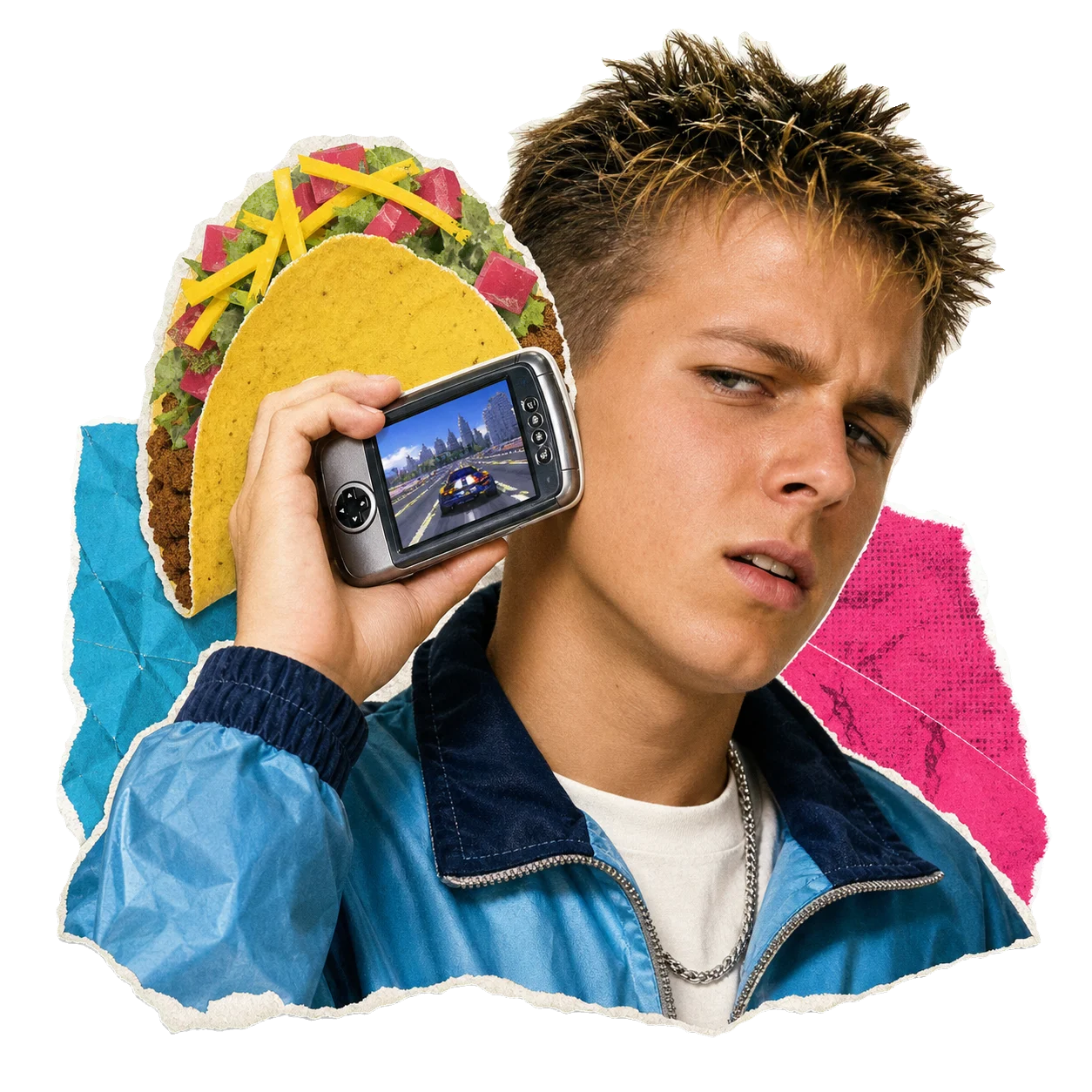
That matters because products are not experienced as lists of specifications. The N-Gage could combine several genuinely forward-looking functions and still be culturally defined by the one gesture required to answer a call. Its convergence story was complicated; the sidetalking picture was simple. Once that image circulated, every conversation about the machine could begin with the same pose.
Nokia nevertheless put the device into a global retail campaign. Shortly after its October launch, the company reported that 400,000 units had been shipped into retail channels. That figure describes devices delivered toward stores, not purchases by 400,000 individual players. The distinction became part of the N-Gage story because the public argument was no longer only about what the machine could do. It was also about whether the ambitious category merger had translated into demand.
The more revealing question is not whether the N-Gage was secretly brilliant or simply ridiculous. It is how one physical choice came to overpower an entire product strategy. Nokia was trying to solve a real problem of the early mobile era: people were accumulating devices, networks were becoming capable of more than voice, and games were moving beyond isolated cartridges and cables. The N-Gage tried to make those changes visible all at once.
Its shape carried that ambition. The face wanted to be a game controller. The internals wanted to be a connected entertainment device. The edge still had to be a telephone. Instead of hiding those competing roles, the design stacked them into one object and asked the user's body to accommodate the result.
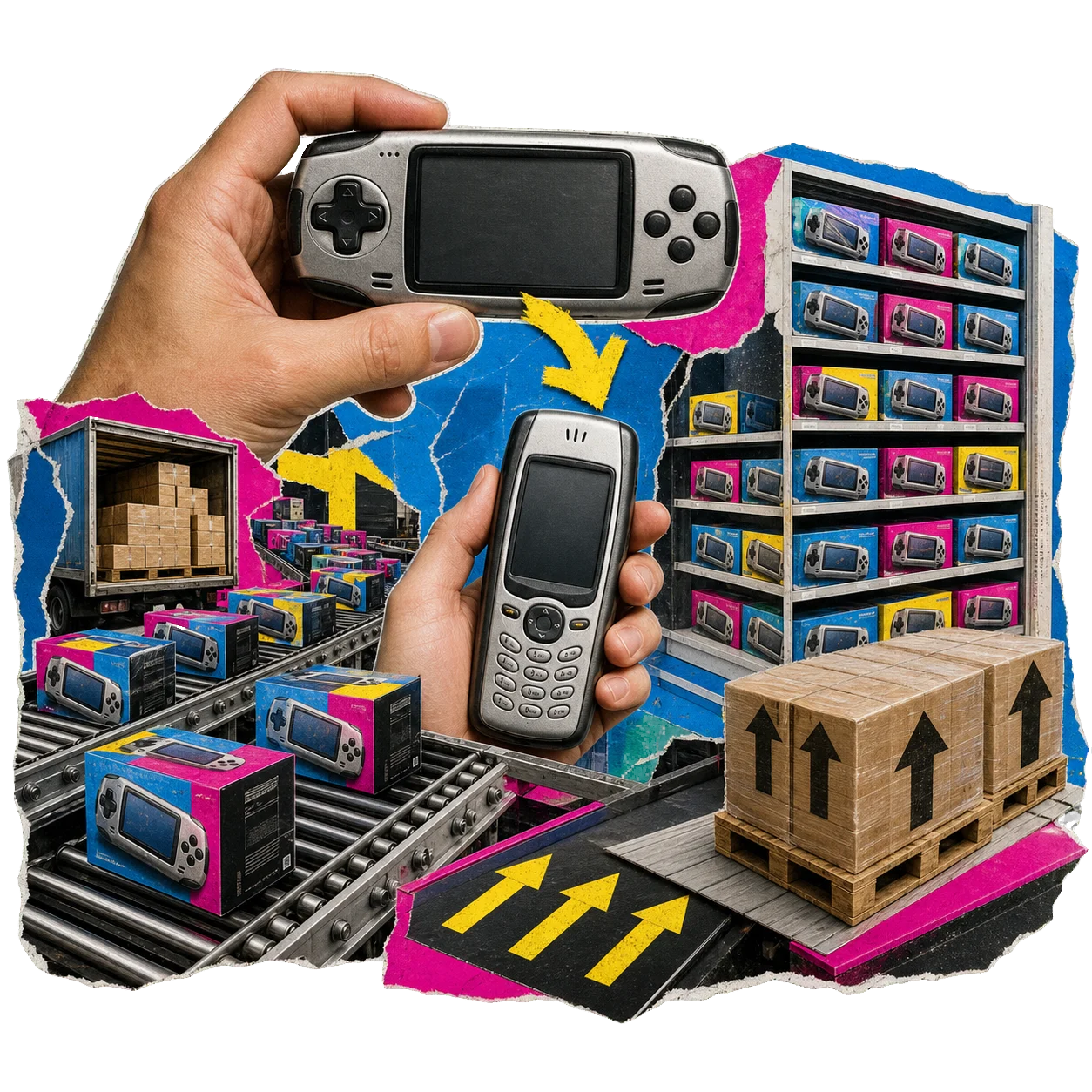
Sidetalking also arrived at exactly the wrong scale for social invisibility. A strange menu can remain private. An awkward battery compartment appears only when the case is open. A strange way of holding a phone happens in public, beside coworkers, on sidewalks and in photographs. The interface turned every owner into a demonstrator, even when the owner only wanted to say hello.
That is why the N-Gage remains such a useful design story. It shows that novelty is not controlled by the designer after release. A company can frame a gesture as youthful and playful; the people performing it can decide that it feels embarrassing. The same visible difference that makes a product distinctive can make it easy to parody.
Two decades later, combining calls, games, music and networked services in one handheld device no longer sounds peculiar. The strange part is the posture. The N-Gage anticipated the all-purpose pocket computer while giving that future an interface nobody could ignore.
Pick it up to play and the broad face makes sense. Turn it to call and the whole proposition rotates ninety degrees. For a few seconds, an ambitious mobile game deck becomes the phone you have to hold like a taco—and the joke becomes easier to carry than the product pitch.