Share
Share







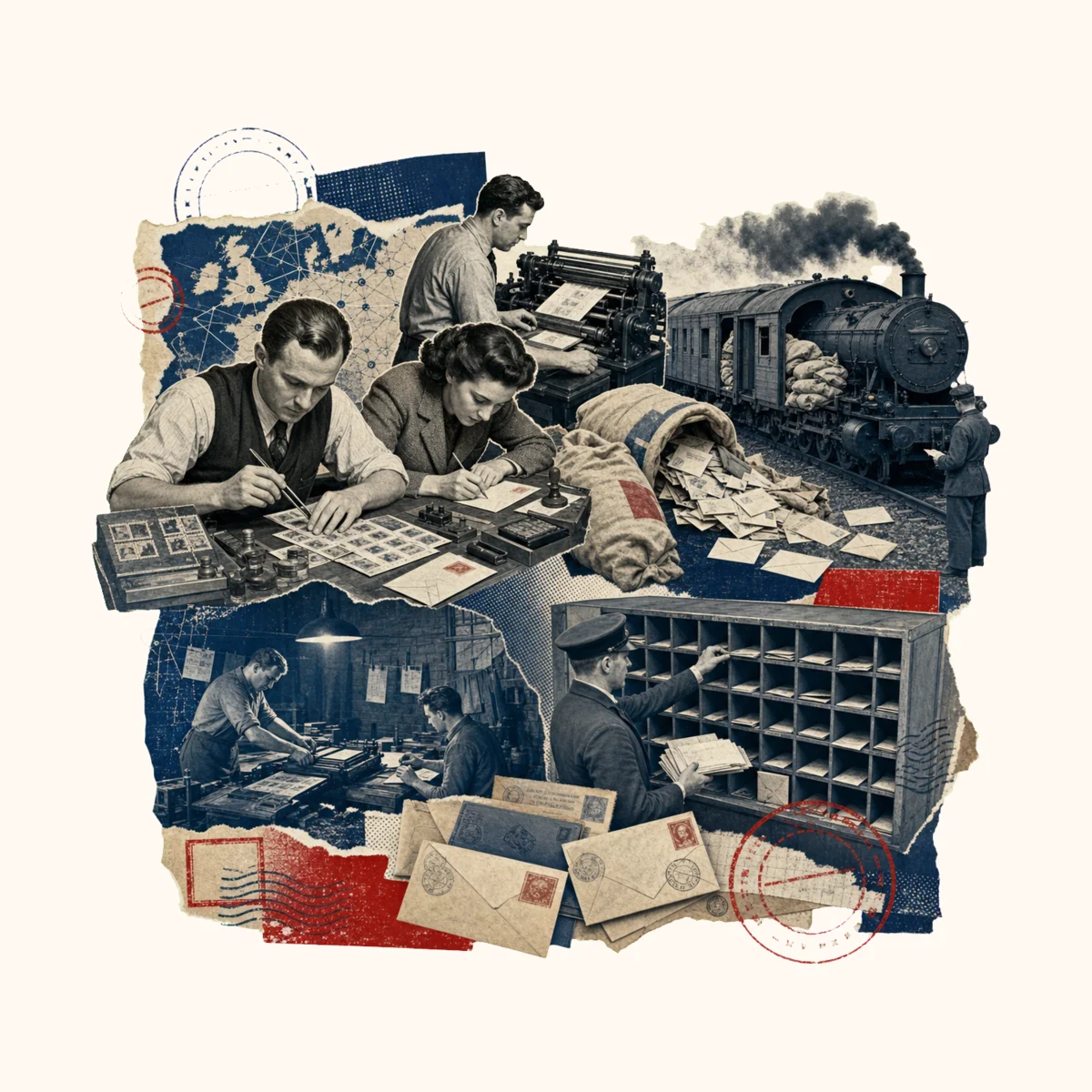
On January 5, 1945, a peculiar mission unfolded in the skies over Germany. The U.S. Office of Strategic Services (OSS) launched Operation Cornflakes, a psychological warfare initiative that aimed to infiltrate the German postal system with anti-Nazi propaganda. The plan was as audacious as it was ingenious: forge German mailbags, stamps, and envelopes, then drop them into the chaos of bombed mail trains.
The OSS enlisted German prisoners of war who had worked for the Reichspost to ensure the forged mail looked convincingly authentic. These counterfeit letters were then mixed with the wreckage of real mail after U.S. forces bombed a train bound for Linz, Austria. The unsuspecting German postal workers, tasked with cleaning up the aftermath, would unknowingly deliver these propaganda-laden letters to households across the country.
However, the operation faced significant hurdles. By 1945, Allied bombings had left many German cities in ruins, displacing residents and rendering addresses obsolete. As a result, much of the forged mail never reached its intended recipients and was instead destroyed by authorities.
Operation Cornflakes stands as a testament to the bizarre creativity of wartime strategies. In the end, it wasn't just letters that rained down from the sky, but the hope that even in war, the pen might prove mightier than the sword.