




 Share



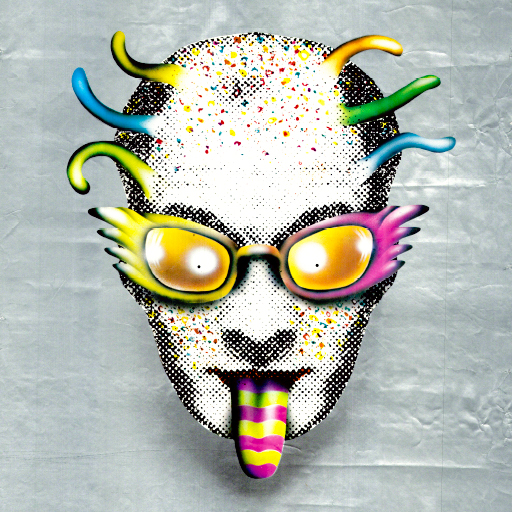




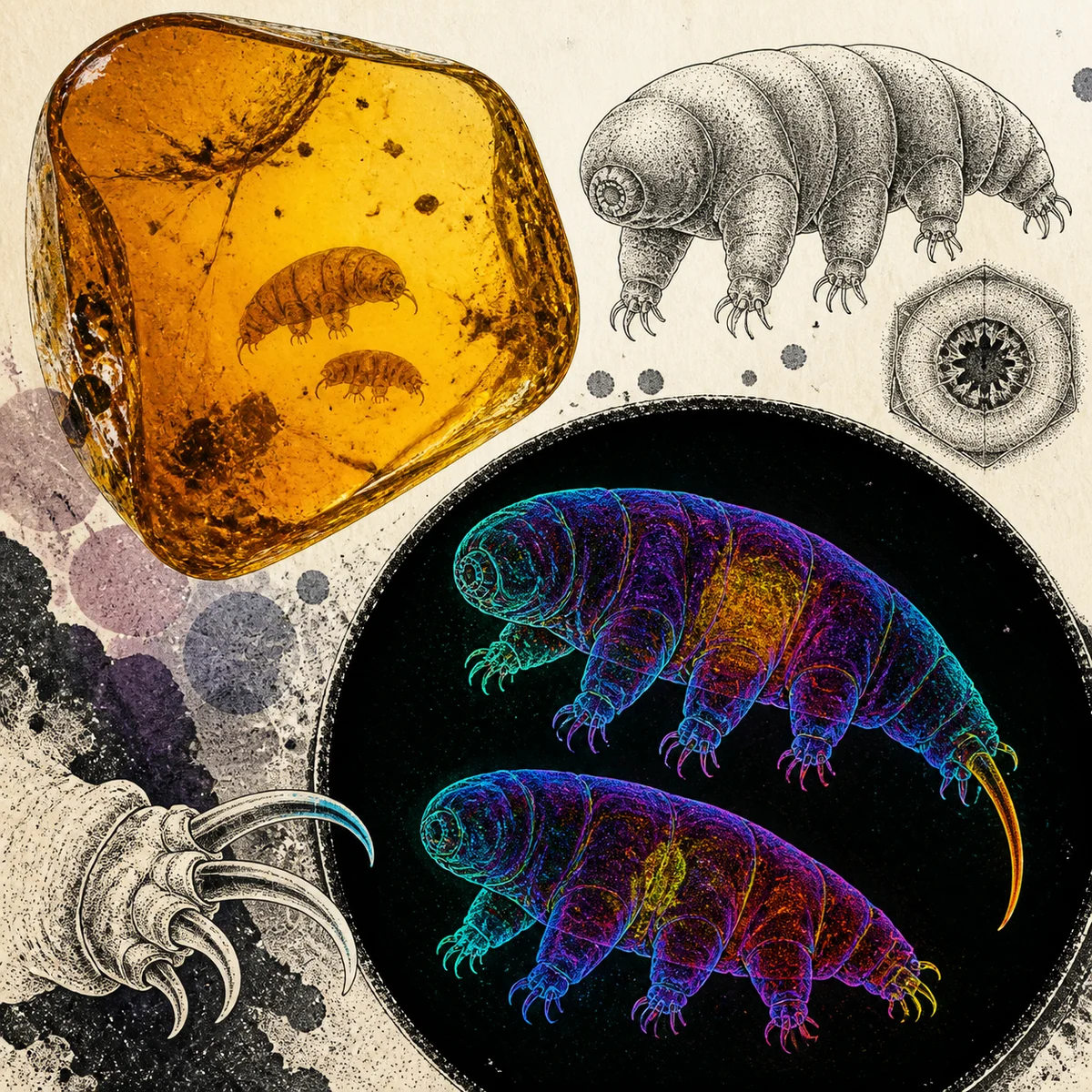
Only four fossil tardigrade specimens are known. That makes a single amber pebble crowded by paleontological standards. The Canadian amber studied by Harvard researchers had been found in the 1960s and held Beorn leggi plus a second shape long suspected to be another water bear. Ordinary transmitted light could not reveal enough anatomy to settle its identity.
Confocal laser microscopy changed the view. The amber and inclusions fluoresced at different intensities, letting the team reconstruct tiny claws and body structures in three dimensions. Beorn showed a pattern of seven preserved claws, while the second specimen carried unusually long outer claws on its fourth pair of legs. The researchers named that animal Aerobius dactylus and placed both fossils more confidently on the tardigrade family tree.
The pair lived in the Cretaceous, alongside dinosaurs, but two minute bodies cannot narrate the whole history of water bears. Researchers use such fossils as calibration points for molecular-clock estimates, including when major lineages and cryptobiosis may have evolved. With only four fossils available, those dates remain inferences anchored to a wonderfully sparse record—not a complete timeline sealed in amber.
Sources