




 Share



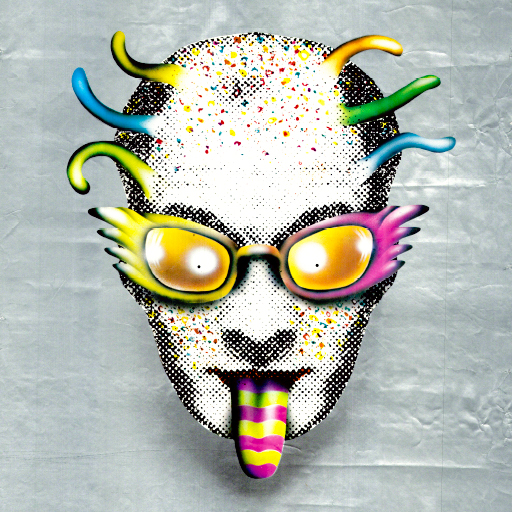




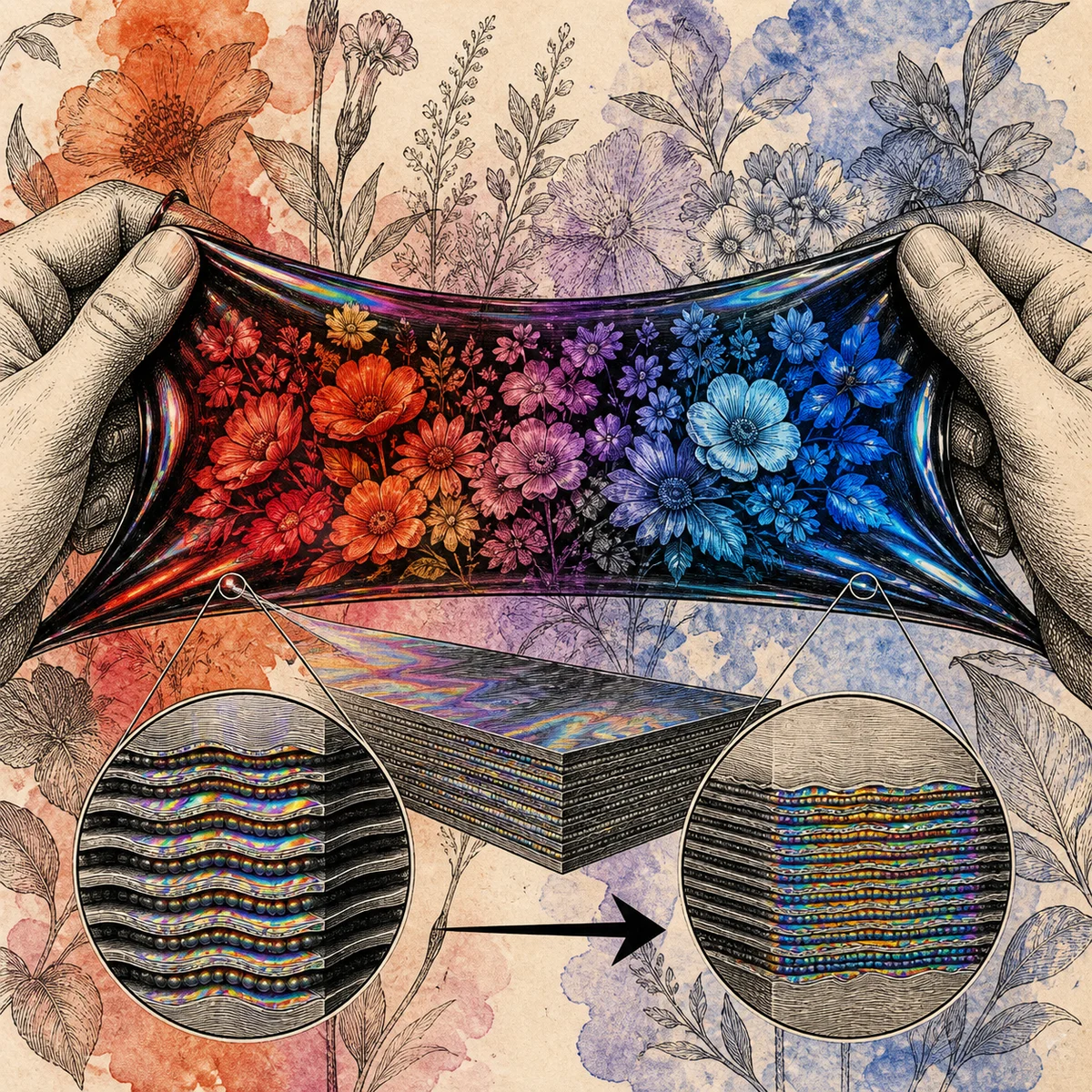
MIT engineers adapted Gabriel Lippmann’s 19th-century color-photography method to a modern holographic material. They placed transparent, light-sensitive elastic film on reflective aluminum and projected an image onto it. Incoming and reflected light formed an interference pattern that cross-linked molecules into nanoscale layers—tiny mirrors spaced to return particular wavelengths. Modern chemistry completed detailed, large-area images in minutes rather than the days Lippmann’s emulsions required.
After exposure, the team peeled away the film and mounted it on black silicone. Stretching thinned and rearranged its internal layers, shifting the reflected color from warmer toward cooler wavelengths. The researchers printed flower bouquets, captured detailed impressions from a strawberry, coin, and fingerprint, and encoded tilted structures that remained invisible until strain moved their reflection into the visible spectrum.
The color comes from structure rather than conventional pigment, so deformation becomes part of the image. That suggests future pressure-sensing bandages, responsive fabric, or touch-sensitive robot skins, but the reported work is a manufacturing method and laboratory material—not a finished medical monitor or commercial display. Its satisfying trick is mechanical: pull a picture, change the spacing of mirrors too small to see, and an image or color that was absent arrives in reflected light.
Sources