Share
Share







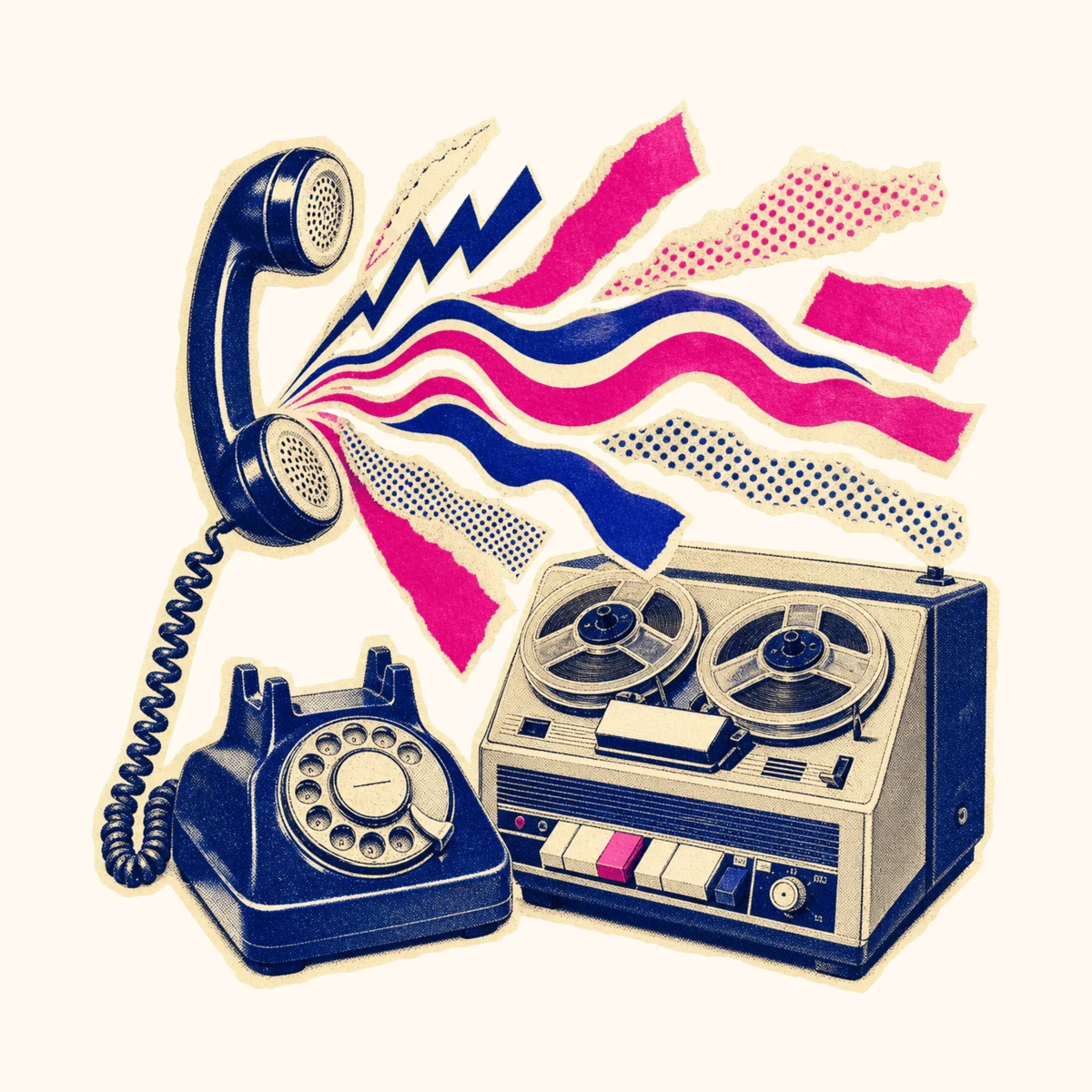
In 1968, poet John Giorno launched Dial-A-Poem in New York: call a number and an answering machine would play a recorded poem. The result sounded like an automated information service that had wandered into the arts. Instead of weather, time, or directory assistance, the telephone delivered a voice chosen from Giorno’s expanding archive.
When Dial-A-Poem appeared in MoMA’s 1970 Information exhibition, visitors could use four phones in the gallery or dial the public number from elsewhere. Museum press material described a program of about fifty poets. The work treated ordinary telephone infrastructure as a new artistic medium—one intimate enough to speak directly into a caller’s ear, but mechanical enough to make the selection feel like chance.
The system also came with the least poetic obstacle imaginable: another caller. Only so many machines and lines could answer at once, so access to the art could end in a busy signal. Dial-A-Poem turned that limitation into part of the encounter. A poem was waiting inside the network, but first the network had to let you through.
Sources