Share
Share







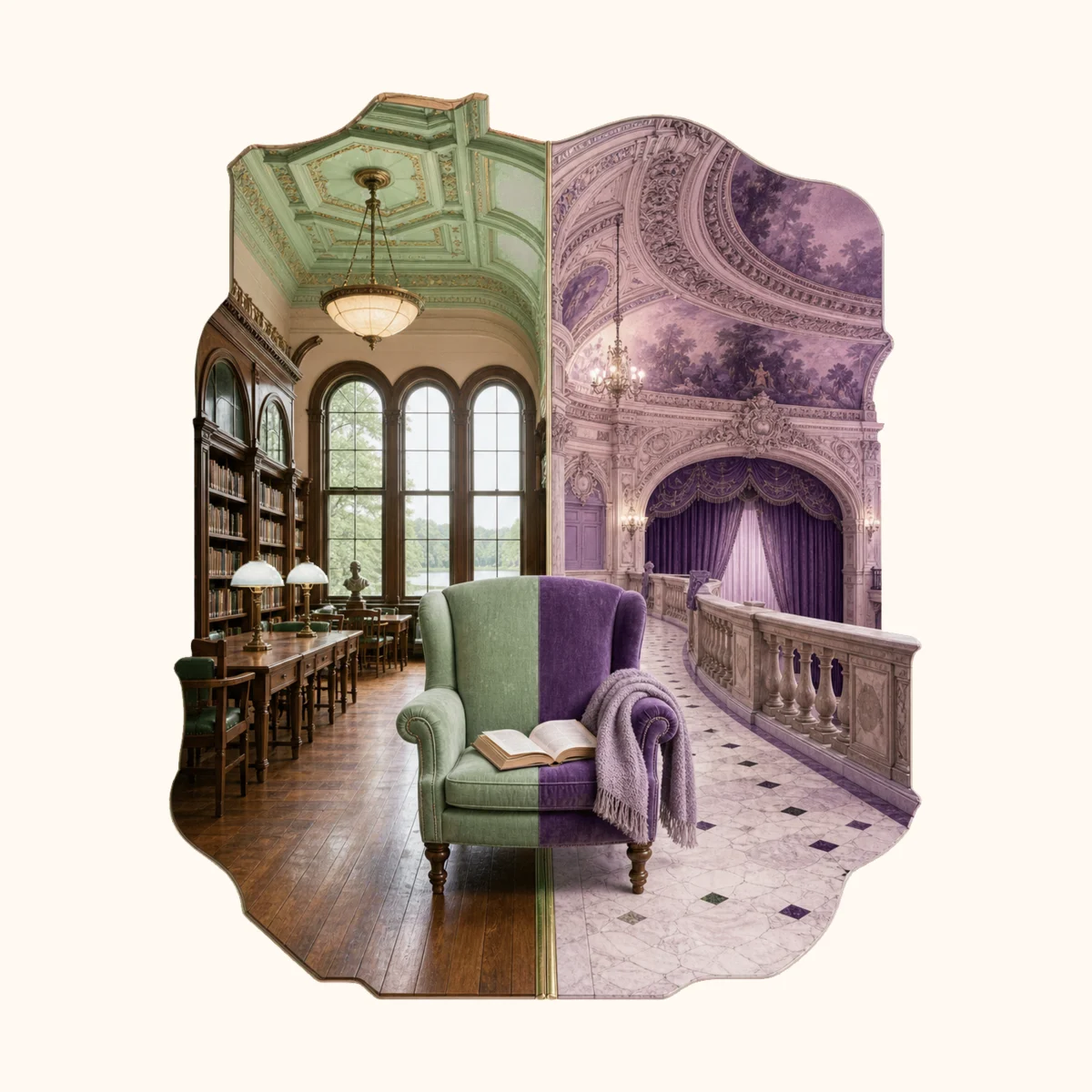
In the quaint towns of Derby Line, Vermont, and Stanstead, Quebec, a peculiar building defies borders. The Haskell Free Library and Opera House, constructed between 1904 and 1905, was deliberately designed to straddle the Canada–United States boundary. A thick black line, often just tape, marks this invisible divide right across the reading room floor, even slicing through a shelf of encyclopedias.
This architectural marvel doesn't stop there. On the upper floors, the opera house seats 500 patrons, with the stage firmly planted in Canada and most of the audience seated in the U.S. It's a curious setup, where performers cross borders with every step, and applause echoes across nations.
The Haskell family, Martha Stewart Haskell and her son Colonel Horace Stewart Haskell, gifted this unique institution to symbolize unity and cooperation. It holds dual heritage status, recognized as a National Historic Site of Canada and listed on the U.S. National Register of Historic Places.
With dual addresses and postal codes, the library operates bilingually, a testament to its cross-border spirit. Here, the mundane act of borrowing a book becomes a journey between nations. In this house of knowledge and art, the border is not a barrier but a bridge, reminding us that some lines are meant to be crossed.